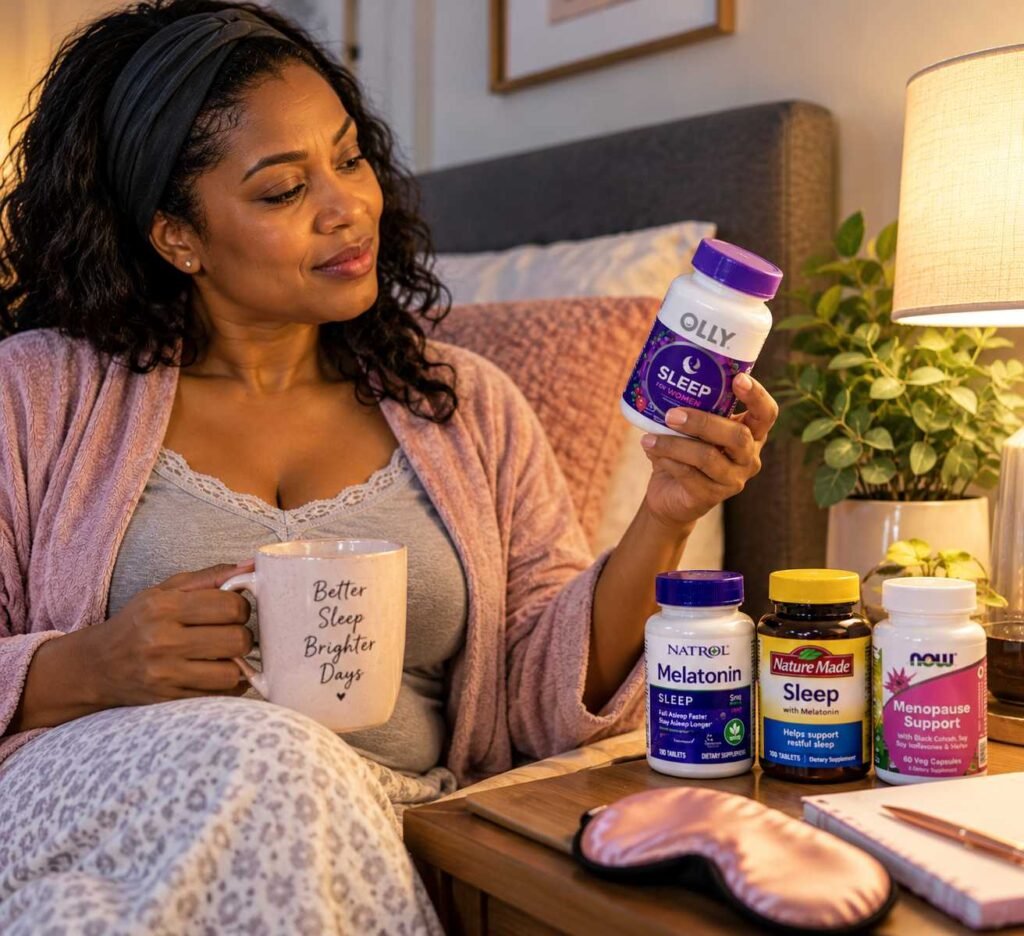
If you are in your 40s and suddenly lying awake at 3 a.m. staring at the ceiling, you are not imagining things, and you are definitely not alone. Poor sleep is one of the most common complaints women bring up during perimenopause, and it often shows up before the hot flashes or irregular periods do. One month you sleep like a log. The next, you are wide awake at 2 a.m., drenched in sweat, with your mind running through tomorrow’s to-do list.
So it makes sense that so many women start searching for a sleep supplement for perimenopause. You want something gentle, something that does not leave you groggy, and something that actually fits what your body is going through right now.
This guide walks you through nine honest things worth knowing before you buy anything. We will look at why perimenopause wrecks sleep in the first place, which ingredients are commonly used, what to watch out for, and how one popular option, Yu Sleep, stacks up. No hype and no miracle promises. Just a clear, practical look so you can make a smart decision.
1. Why Perimenopause Makes Sleep So Much Harder
Before you pick a supplement, it helps to understand what is actually going on. Perimenopause is the transition leading up to menopause, and it can last several years. During this time your ovaries gradually produce less estrogen and progesterone, and the levels do not decline smoothly. They swing up and down, sometimes wildly.
Those hormones matter for sleep more than most people realize:
- Progesterone has a naturally calming, mildly sedating effect. As it drops, many women find it harder to fall asleep and stay asleep.
- Estrogen helps regulate body temperature and supports the brain chemicals involved in mood and rest. When it fluctuates, night sweats and hot flashes can jolt you awake.
- Cortisol, your stress hormone, can become more reactive when sleep gets disrupted, which then makes the next night even worse.
On top of the hormones, this stage of life often comes with extra pressure: demanding careers, teenagers, aging parents, and a general feeling of being pulled in ten directions. Stress and perimenopause feed each other, and sleep is usually the first thing to suffer.
The good news is that sleep problems during this stage are common and very manageable. The key is to combine good habits with the right kind of support, rather than hoping a single pill will fix everything.
2. Not Every Sleep Problem Looks the Same
One reason women get frustrated with sleep aids is that they pick one for the wrong problem. Perimenopausal sleep trouble usually shows up in a few different ways, and it helps to know which one sounds like you.
Trouble falling asleep
Your body is tired, but your brain will not switch off. You lie there replaying conversations or worrying about things that can wait until morning. This is often linked to stress and a busy nervous system.
Waking up in the middle of the night
You fall asleep fine, then pop awake around 2 or 3 a.m. and cannot drift back off. Hormone swings and elevated cortisol are common culprits here.
Night sweats and temperature swings
You wake up hot, throw off the covers, then get chilly and pull them back on. This cycle chops your sleep into pieces even if you never fully wake up.
Waking up unrefreshed
You technically got seven or eight hours, but you feel like you barely slept. Light, fragmented sleep means you are missing out on the deeper stages that make you feel restored.
Most women have a mix of these. A good supplement approach tends to focus on calming the nervous system and supporting your natural sleep chemistry, rather than knocking you out. And if night sweats are the main issue, you will want to talk with your doctor about that specifically, since supplements for sleep do not directly treat hot flashes.
3. What to Look for in a Sleep Supplement During Perimenopause
The supplement aisle is crowded and confusing. Here is a simple checklist that cuts through the noise.
- A sensible melatonin dose. More is not better. Many products pack in 5 to 10 mg or more, which can leave you foggy the next morning. A lower, well-calibrated dose is usually gentler.
- Calming ingredients. Look for nutrients that support relaxation, like magnesium, L-theanine, and GABA, rather than a formula built purely on sedation.
- Non-habit-forming ingredients. You want something you can use consistently without feeling dependent on it.
- A clean label. Skip artificial colors, unnecessary fillers, and heavy sweeteners where you can.
- Transparent manufacturing. GMP-certified, made in a registered facility, and sold directly by the brand.
- A real money-back guarantee. Sleep supplements can take a few weeks to show their full effect, so a generous refund window is a good sign.
If you want a broader look at what is out there, our guide to the best sleep supplements for 2026 compares several options side by side.
4. The Ingredients Most Commonly Used for Perimenopausal Sleep
You do not need a biochemistry degree to shop smart, but it helps to recognize the main players. Here are the ingredients you will see again and again, and what they are generally used for.
Magnesium (especially glycinate)
Magnesium plays a role in muscle relaxation and nervous system balance. Magnesium glycinate is a gentle, well-absorbed form that many people prefer for evening use. A lot of women are low in magnesium without realizing it, and stress tends to use it up faster.
L-Theanine
This amino acid is found naturally in tea. It is known for promoting a calm, relaxed state without making you drowsy during the day. It can be a nice fit for the “wired but tired” feeling many women describe at bedtime.
GABA
GABA is the brain’s main calming neurotransmitter. When your mind will not quiet down, supporting GABA activity is one way supplement makers try to help you wind down. Absorption can be a challenge with standard capsules, which is why some brands use alternative delivery methods.
Low-dose melatonin
Melatonin is the hormone that signals to your body that it is time to sleep. Your natural production tends to decline with age, so a small supplemental dose can help nudge your internal clock back on track. Lower doses are usually a better starting point than high ones.
Tart cherry extract
Tart cherries naturally contain melatonin and plant compounds that are often included in sleep formulas to support healthy sleep cycles.
5-HTP and B vitamins
5-HTP is a building block your body uses to make serotonin, which in turn is used to make melatonin. B vitamins, particularly B6, help that conversion along. One important note: because 5-HTP affects serotonin, it can interact with antidepressants and similar medications, so check with your doctor first if you take any.
No single ingredient is a magic bullet. The best formulas combine several of these so they work together on different parts of the sleep puzzle.
5. Where Yu Sleep Fits In for Perimenopausal Women
Among the options we have looked at, Yu Sleep is one that keeps coming up for women in this stage of life, and for good reason. It is a liquid formula taken under the tongue rather than a capsule, and it combines several of the ingredients we just covered: GABA, 5-HTP, L-theanine, magnesium glycinate, tart cherry extract, vitamins B6 and B2, and a low dose of melatonin (around 2.3 mg).
Here is why that combination is interesting if you are dealing with perimenopausal sleep trouble:
- It does not rely on a huge melatonin dose. That is a big deal if you have ever woken up feeling like you were hit by a truck after taking a high-dose melatonin gummy.
- It supports several pathways at once. Calming the nervous system, supporting the serotonin-to-melatonin pathway, and providing magnesium all address different reasons you might be lying awake.
- The liquid, under-the-tongue format. The brand uses a nano-emulsified delivery, designed to absorb more quickly than a typical capsule that has to be digested first.
- It is non-habit-forming. The ingredients are plant-based, non-GMO, and free from the kind of sedatives that cause dependence.
- It is made in the USA in a GMP-certified, FDA-registered facility.
We cover the full ingredient breakdown, pricing, and complaints in our detailed Yu Sleep review, so take a look if you want the deeper dive before deciding.
Try Yu Sleep risk free today (backed by a 60-day money-back guarantee)
6. Realistic Expectations: What a Supplement Can and Cannot Do
This is the part many sales pages skip, so let us be straightforward.
What a good sleep supplement can reasonably do:
- Help you feel calmer and more relaxed in the evening
- Make it easier to fall asleep faster
- Support more consistent, restful sleep over a few weeks
- Help you wake up without the heavy fog that comes with some sleep aids
What it will not do:
- Cure hot flashes or night sweats
- Replace hormone therapy or other medical treatment when that is needed
- Fix sleep apnea, restless legs, or another underlying condition
- Work overnight for everyone
Most gentle, non-sedating formulas build up gradually. Many people notice calmer evenings within the first week or so, with more noticeable changes after two to four weeks of steady use. If you try something for three nights and give up, you have not really given it a fair test.
Also keep in mind that individual results vary. Some women feel a difference quickly, some need more time, and some find that a particular formula simply is not the right match for their body. That is exactly why a long money-back guarantee matters.
Try Yu Sleep risk free today (backed by a 60-day money-back guarantee)
7. Habits That Make Any Supplement Work Better
Here is something nobody wants to hear but everyone needs to: a supplement works best when it is part of a bigger plan. The good news is that the habits that help most during perimenopause are simple and free.
Cool down your bedroom
Temperature is a huge factor for women dealing with night sweats. Keep your room on the cooler side, use breathable cotton or moisture-wicking bedding, and consider layers you can easily kick off. A small fan can make a surprising difference.
Watch your caffeine timing
Caffeine can linger in your system for many hours. If you are sleeping badly, try moving your last cup of coffee to before noon and see what happens. This one change helps a lot of women.
Go easy on alcohol
That glass of wine might make you drowsy, but it tends to fragment sleep and can trigger night sweats and early-morning waking. During perimenopause, many women find they simply tolerate alcohol less well than they used to.
Create a wind-down routine
Your brain loves predictability. Dim the lights an hour before bed, put your phone away, and do something calming: a warm shower, gentle stretching, light reading, or slow breathing. Consistency matters more than perfection.
Keep a steady schedule
Going to bed and waking up around the same time every day, even on weekends, helps anchor your body clock. This is especially valuable when your hormones are already making your internal rhythm unpredictable.
Move your body during the day
Regular exercise, particularly in the morning or afternoon, supports deeper sleep. A brisk walk counts. Just avoid intense workouts too close to bedtime if they leave you wired.
Get some morning light
Natural daylight early in the day helps set your circadian rhythm so you feel sleepy at the right time in the evening.
Pair these habits with a supplement and you give yourself the best shot at real, lasting improvement. If you want more ideas tailored to women, you will like our guide on sleep supplements for women.
8. Safety First: Who Should Talk to a Doctor Before Starting
Supplements are not risk-free just because they are natural. Perimenopause is also a time when other health issues can start to appear, so it is worth being careful.
Please check with your doctor or pharmacist before trying a sleep supplement if any of the following apply to you:
- You take antidepressants (SSRIs, SNRIs), MAOIs, or other medications that affect serotonin, since ingredients like 5-HTP can interact
- You take blood thinners, blood pressure medication, or other prescription drugs
- You are using hormone therapy and want to know how everything fits together
- You are pregnant, trying to conceive, or nursing
- You have a diagnosed sleep disorder, such as sleep apnea
- You have a chronic medical condition
It is also worth raising your sleep problems with your healthcare provider in general. Persistent insomnia, loud snoring with daytime exhaustion, heavy night sweats, or mood changes that feel overwhelming deserve a proper conversation. Sometimes there is a treatable cause, and sometimes a combination of approaches works better than any single one.
And if you ever experience an unusual reaction after starting a supplement, stop taking it and get medical advice.
9. How to Choose Without Wasting Money
The supplement industry loves big promises, so protect yourself with a few simple rules.
- Buy from the official source. Counterfeit and mislabeled supplements are a real problem on third-party marketplaces. Buying directly from the brand protects both your health and your refund rights.
- Be skeptical of miracle claims. Anything promising to “cure” insomnia or hot flashes overnight is a red flag.
- Check the guarantee. A clear, generous refund policy shows the company stands behind the product. Yu Sleep offers a 60-day money-back guarantee, which is long enough to run a proper trial.
- Read the label. Know what is in the formula and what each ingredient is doing.
- Start simple. Do not stack five different sleep products at once. Try one thing consistently, track how you feel, and adjust from there.
- Keep a quick sleep diary. Jot down when you went to bed, how long it took to fall asleep, and how you felt in the morning. After two or three weeks you will have real information instead of guesses.
If you are weighing Yu Sleep against another popular formula, our comparison of Yu Sleep vs Sleep Revive breaks down the differences in format, ingredients, and who each one suits best.
Try Yu Sleep risk free today (backed by a 60-day money-back guarantee)
A Simple Evening Routine to Pair With Your Supplement
If you are not sure where to begin, here is an easy evening routine you can adapt. You do not need to do all of it. Even two or three of these steps can help.
- Around 8:00 p.m.: Finish your last meal or snack a couple of hours before bed. Heavy, spicy meals can make night sweats worse for some women.
- Around 8:30 p.m.: Dim the lights and put screens away or switch to a low-brightness mode.
- Around 9:00 p.m.: Take a warm shower or bath. The drop in body temperature afterward can help signal sleepiness.
- About 30 minutes before bed: Take your sleep supplement as directed on the label. With Yu Sleep, that means placing the drops under your tongue about half an hour before you plan to sleep.
- Before lights out: Spend five minutes on slow breathing, gentle stretches, or writing down tomorrow’s to-do list so your brain does not try to remember it all night.
- In bed: Keep the room cool, dark, and quiet. If you cannot sleep after what feels like 20 minutes, get up, do something calm in dim light, and go back when you feel drowsy.
The goal is to teach your body that this sequence means sleep is coming. Over time, the routine itself becomes a powerful signal.
Frequently Asked Questions About Sleep Supplements for Perimenopause
What is the best sleep supplement for perimenopause?
There is no single best option for every woman, since your symptoms and health history matter. In general, look for a formula with a modest melatonin dose, calming ingredients like magnesium, L-theanine, and GABA, a clean label, and a solid refund policy. Yu Sleep is one option that checks many of those boxes.
Can melatonin help with perimenopause sleep problems?
For some women, yes. Natural melatonin production declines with age, and a small supplemental dose may help with falling asleep. Lower doses are often better tolerated than high ones, which can cause grogginess. It will not treat hot flashes, though.
Will a sleep supplement stop my night sweats?
No. Sleep supplements are designed to support relaxation and sleep, not to treat hot flashes or night sweats. If night sweats are waking you up, talk to your doctor about options that address them directly, and use a supplement as extra support for the sleep side of things.
How long does it take for a sleep supplement to work?
It varies. Some women feel calmer within days, while others need two to four weeks of consistent use to notice real changes. This is why a longer money-back guarantee is helpful.
Is it safe to take a sleep supplement every night?
Many gentle, non-habit-forming formulas are designed for nightly use, but safety depends on the ingredients and your personal health. Check with your doctor or pharmacist, especially if you take medication or have a health condition.
Can I take a sleep supplement with hormone therapy?
Many women do, but it is a conversation to have with your healthcare provider so they can look at your full picture and make sure nothing conflicts.
Are there side effects I should watch for?
Mild effects such as dry mouth, vivid dreams, or slight drowsiness are sometimes reported when people first start a sleep supplement. These usually settle down. If anything unusual or persistent happens, stop and speak with a medical professional.
Is a liquid sleep supplement better than capsules?
Not automatically, but liquid drops taken under the tongue are designed to absorb more directly instead of passing through digestion first. Some people simply prefer them because they are easy to take and do not involve swallowing pills.
Where should I buy a sleep supplement?
Whenever possible, buy from the brand’s official website. That helps you avoid counterfeit products and keeps your money-back guarantee intact.
Do I still need good sleep habits if I take a supplement?
Absolutely. Supplements work best alongside a cool bedroom, a steady schedule, less late-day caffeine, and a calming wind-down routine. Think of the supplement as a helper, not the whole solution.
Final Thoughts: You Deserve Better Sleep
Perimenopause can feel like your body has changed the rules overnight, and broken sleep makes everything else harder: your mood, your focus, your energy, even how you feel about yourself. But it does not have to stay that way.
The most effective approach is usually a combination: understand what is driving your sleep problems, build a few supportive evening habits, talk to your doctor about anything that needs medical attention, and consider a well-formulated supplement for extra support.
If you decide to try one, a gentle, low-dose, non-habit-forming formula with a generous guarantee is a smart place to start. Yu Sleep fits that description, combining calming ingredients with a modest melatonin dose in an easy under-the-tongue format, and the 60-day refund window means you can give it a proper trial with very little risk.
Give it a few weeks, pair it with the habits above, track how you feel, and adjust as you go. Better rest is absolutely possible.
Try Yu Sleep risk free today (backed by a 60-day money-back guarantee)
Disclaimer: This article is for informational purposes only and is not medical advice. Dietary supplements are not intended to diagnose, treat, cure, or prevent any disease. Individual results vary. Always consult a qualified healthcare provider before starting any new supplement, especially if you are pregnant, nursing, taking prescription medication, or managing a health condition. This post contains affiliate links, which means we may earn a commission if you purchase through them, at no extra cost to you.