Water is something most people take for granted. You drink it when you feel thirsty, perhaps have a glass alongside your meals, and sometimes go several hours without thinking about it.
But have you ever considered what happens inside your kidneys when you consistently fail to drink enough water?
Your kidneys are two small but incredibly important organs that work around the clock to filter your blood, remove waste products, regulate fluid levels, and maintain the right balance of minerals in your body.
To perform these functions properly, they depend on adequate blood flow and an appropriate balance of fluids.
When you do not drink enough water, your body begins conserving the fluid it has available. Your kidneys adjust how much water they remove, producing smaller amounts of more concentrated urine.
Although this is a normal survival response, severe dehydration can have more serious consequences. It can reduce blood flow to your kidneys, interfere with their normal functions, and potentially lead to acute kidney injury.
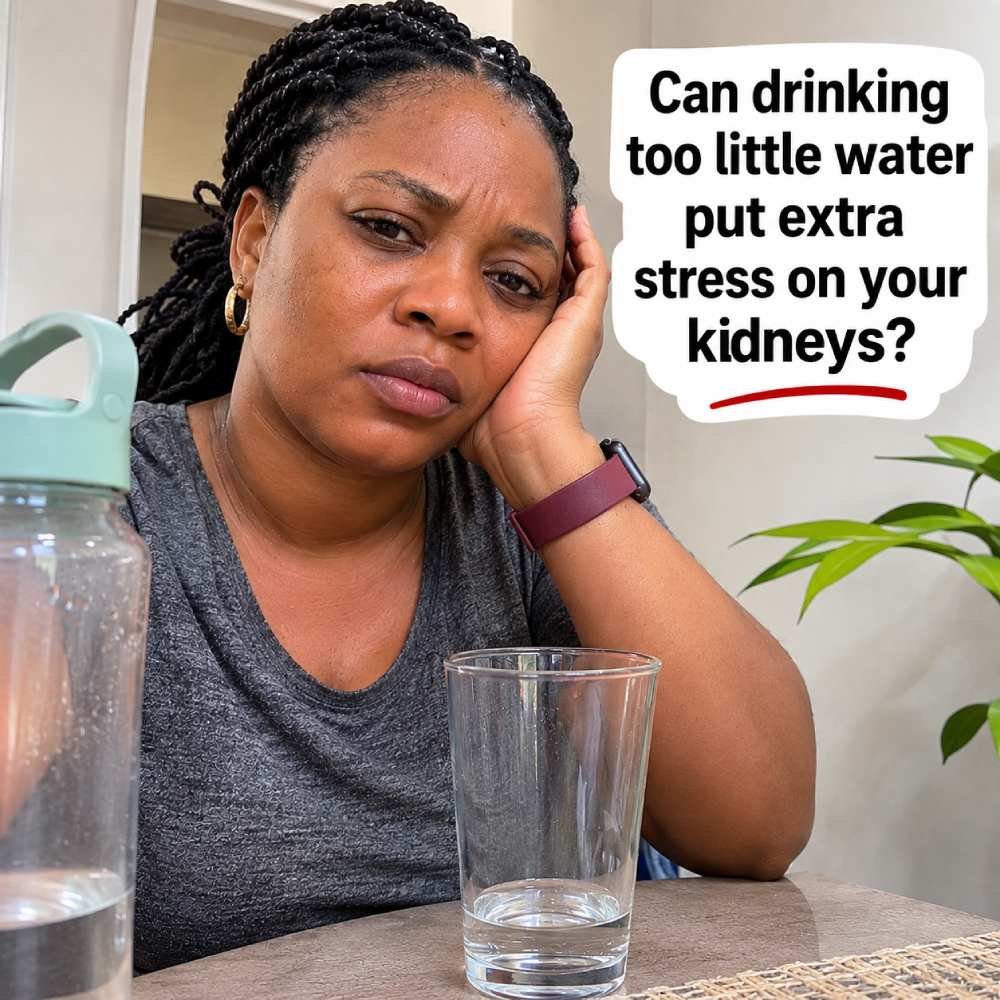
This raises an important question: Can drinking too little water put extra stress on your kidneys, and what happens when you repeatedly allow yourself to become dehydrated?
Let’s explore the relationship between dehydration and kidney health, the warning signs to watch out for, and the everyday habits that can help you maintain proper hydration.
1. Your Kidneys May Receive Less Blood Flow When You Are Dehydrated
One of the first ways dehydration can affect your kidneys is by reducing the amount of blood circulating through your body.
Your kidneys need a continuous supply of blood to perform their filtering functions.
Every minute, blood travels through these organs, allowing specialised filtering structures called nephrons to remove waste products and excess substances.
Water makes up a significant part of your blood. When you lose more fluid than you replace, your circulating blood volume can decrease.
This may reduce the amount of blood reaching your kidneys, particularly when dehydration becomes severe.
For example, imagine spending an entire afternoon working outdoors in hot weather without drinking enough water.
You sweat as your body tries to regulate its temperature. However, if you do not replace the fluid you lose, dehydration can develop.
As your body tries to conserve water, blood circulation may be affected.
In severe situations, reduced blood flow to the kidneys can interfere with their ability to filter blood properly.
This is one reason why dehydration is recognised as a potential cause of acute kidney injury.
The important thing to remember is that your kidneys need adequate circulation to function normally. Maintaining appropriate hydration helps support this process.
2. Your Kidneys Produce More Concentrated Urine to Conserve Water
Have you ever noticed that your urine becomes darker when you have not been drinking enough water?
This is one of the ways your body responds to dehydration.
Your kidneys are responsible for adjusting how much water is removed from your body through urine.
When fluid intake is low, your brain releases more antidiuretic hormone (ADH), also known as vasopressin.
This hormone signals your kidneys to retain more water.
As a result, your kidneys produce smaller amounts of more concentrated urine.
This process helps prevent unnecessary water loss.
For example, if you have been busy throughout the day and barely consumed any fluids, you may notice that your urine becomes darker yellow and that you urinate less frequently.
These changes can be signs that your body needs more fluids.
However, dark urine is not always caused by dehydration. Certain medications, supplements, foods, and medical conditions can also affect urine colour.
The important distinction is that your kidneys are trying to conserve water when your body does not have enough available.
Although this adjustment is normal, prolonged or severe dehydration can become harmful.
3. Severe Dehydration Can Lead to Acute Kidney Injury
This is one of the most important reasons to take dehydration seriously.
Acute kidney injury (AKI) occurs when your kidneys suddenly lose some of their ability to function properly.
It can develop over hours or days and may range from mild to very serious.
One possible cause is severe dehydration.
When your body loses too much fluid, blood volume may fall significantly.
This can reduce blood flow to the kidneys, making it difficult for them to receive the oxygen and nutrients they need.
If the problem is severe or not corrected promptly, kidney tissue can become injured.
Dehydration-related acute kidney injury may happen during situations such as:
- Severe diarrhoea.
- Persistent vomiting.
- Excessive sweating.
- High fever.
- Prolonged exposure to extreme heat.
- Inadequate fluid intake during an illness.
For instance, someone experiencing severe diarrhoea may lose considerable amounts of water and electrolytes within a short period.
If these losses are not adequately replaced, blood pressure may fall, and kidney blood flow can become compromised.
The good news is that some cases of dehydration-related acute kidney injury can improve when the underlying problem is treated promptly.
However, severe cases can require hospital treatment and may sometimes result in lasting kidney damage.
This is why persistent vomiting, diarrhoea, or other conditions that cause significant fluid loss should never be ignored.
4. Not Drinking Enough Water Can Increase Your Risk of Certain Kidney Stones
Another important connection between dehydration and kidney health involves kidney stones.
Kidney stones develop when certain substances in urine become concentrated enough to form crystals.
These substances may include calcium, oxalate, and uric acid.
Under normal circumstances, adequate fluid intake helps dilute urine, reducing the concentration of substances that can contribute to stone formation.
However, when you regularly consume too little water, your urine may become more concentrated.
This creates conditions that can make it easier for certain minerals and salts to form crystals.
Over time, these crystals may combine and grow into kidney stones.
Some people may experience severe pain when a stone moves through the urinary tract.
Other symptoms can include:
- Sharp pain in the back or side.
- Pain that travels towards the lower abdomen or groin.
- Blood in the urine.
- Painful urination.
- Nausea and vomiting.
- An urgent or frequent need to urinate.
Not every kidney stone develops because someone fails to drink enough water. Genetics, diet, metabolic conditions, and other factors also influence the risk.
However, maintaining adequate hydration is one of the most important lifestyle measures for preventing many types of kidney stones.
For people who have previously experienced kidney stones, healthcare professionals may recommend specific fluid targets depending on the type of stones and individual circumstances.
5. Dehydration Makes It More Difficult for Your Body to Maintain Fluid and Mineral Balance
Your kidneys do much more than remove waste products.
They also help maintain the correct balance of essential minerals and electrolytes in your bloodstream.
These include:
Sodium: Helps regulate fluid levels and supports normal nerve and muscle function.
Potassium: Important for muscle contractions, nerve signals, and maintaining a normal heart rhythm.
Calcium: Supports healthy bones, muscle function, and nerve communication.
Phosphorus: Plays a role in energy production and maintaining healthy bones.
Your kidneys continuously adjust how much of these substances should remain in your bloodstream and how much should be removed.
When you become dehydrated, the balance of water and electrolytes in your body can change.
Depending on the cause and severity of dehydration, sodium and other electrolyte concentrations may become abnormal.
For example, water loss that exceeds sodium loss can cause sodium levels in the blood to rise.
Severe electrolyte disturbances can affect muscles, nerves, the brain, and the cardiovascular system.
This is another reason why proper hydration matters.
However, water alone is not a treatment for every electrolyte imbalance. Some situations require medical assessment and carefully selected fluid or electrolyte replacement.
6. Persistent Dehydration Can Contribute to Urinary Problems
Your kidneys are part of a larger system responsible for producing and removing urine.
This system includes your kidneys, ureters, bladder, and urethra.
When you do not drink enough water, your body produces less urine, which becomes more concentrated.
This can create an environment in which some urinary problems become more likely.
For example, concentrated urine can encourage the formation of crystals that contribute to kidney stones.
Low urine volume may also reduce the natural flushing action of urination.
Inadequate hydration has also been associated with an increased risk of certain urinary tract problems.
However, urinary tract infections have several causes, particularly bacterial infections, and drinking water alone cannot treat an existing infection.
If you experience painful urination, fever, blood in your urine, or persistent discomfort in your lower abdomen or back, speak with a healthcare professional.
7. Who Is Most at Risk of Kidney Problems From Dehydration?
Although anyone can become dehydrated, certain people may be more vulnerable to its effects.
Understanding these risk factors can help you recognise situations where maintaining adequate hydration becomes particularly important.
Older Adults
As people age, their sense of thirst may become less reliable.
Some older adults may also take medications that increase fluid loss or have medical conditions that affect hydration.
This can make it easier for dehydration to develop without obvious warning signs.
People Living in Hot Climates
People who live or work in hot environments may lose considerable amounts of fluid through sweating.
This is particularly relevant for individuals who spend long hours outdoors, perform physical labour, or work in poorly ventilated environments.
When these fluid losses are not replaced, dehydration can develop.
People Who Exercise Regularly
Physical activity increases fluid loss through sweating.
The amount lost depends on exercise intensity, duration, temperature, and individual physiology.
People who exercise for extended periods without replacing lost fluids may become dehydrated.
People Experiencing Vomiting or Diarrhoea
Vomiting and diarrhoea can cause rapid losses of both water and electrolytes.
This can become especially dangerous when symptoms continue for several hours or days.
People who cannot keep fluids down may require medical attention.
People With Diabetes
High blood glucose can sometimes cause increased urination.
When glucose levels are poorly controlled, the body may lose additional water through urine, increasing the risk of dehydration.
People with diabetes should pay particular attention to hydration while also following their prescribed blood sugar management plan.
People Taking Certain Medications
Some medications, including diuretics, increase urine production.
Others may affect kidney blood flow or fluid balance under certain circumstances.
People taking medications that influence hydration should discuss their individual fluid needs with their healthcare professional.
8. Seven Warning Signs That You May Not Be Drinking Enough Water
Your body often provides signals when it is becoming dehydrated.
Recognising these signs can help you take action before the situation becomes more serious.
Here are seven common signs to watch out for.
1. Dark Yellow Urine
One common sign of dehydration is darker, more concentrated urine.
When your body is conserving water, your kidneys produce less urine, which may have a deeper yellow colour.
However, urine colour can also be affected by certain vitamins, medicines, foods, and medical conditions.
2. Urinating Less Frequently
If you notice that you are urinating much less often than usual, inadequate fluid intake may be one explanation.
However, a sudden or significant reduction in urine output can also indicate a more serious medical problem.
Do not assume it is simply dehydration.
3. Persistent Thirst
Thirst is one of your body’s natural ways of signalling that you need fluids.
If you frequently feel thirsty, particularly after sweating or spending time in hot weather, you may need to replace lost fluids.
Persistent excessive thirst can also be a symptom of conditions such as diabetes, so it should be evaluated when unexplained.
4. Dry Mouth and Lips
When your body loses too much water, you may experience a dry or sticky mouth.
Your lips may also become dry.
These symptoms can occur alongside other signs of dehydration.
5. Headaches
Dehydration may contribute to headaches in some individuals.
When fluid levels fall, several processes involved in normal circulation and brain function can be affected.
However, headaches have many possible causes, so recurring or severe headaches should not automatically be attributed to dehydration.
6. Dizziness or Lightheadedness
Dehydration can reduce circulating blood volume, potentially contributing to dizziness or feeling faint.
This may become more noticeable when standing up.
Severe or persistent dizziness requires medical attention, especially when accompanied by weakness, confusion, or reduced urine output.
7. Unusual Tiredness
Feeling unusually tired or weak can also occur during dehydration.
Your body needs appropriate fluid levels to support normal circulation and numerous metabolic processes.
If tiredness persists even after improving your hydration, consider speaking with a healthcare professional to investigate other possible causes.
Important: Severe dehydration may cause confusion, fainting, rapid heartbeat, or very little urine. These symptoms require urgent medical assessment.
9. How Much Water Should You Drink to Protect Your Kidneys?
One of the most common questions people ask is how much water they need to drink every day to maintain healthy kidney function.
There is no universal amount that applies to everyone.
Your fluid requirements depend on several factors, including:
Age: Children, adults, and older individuals have different hydration needs.
Body size: Your body composition and size can influence how much fluid you require.
Physical activity: People who sweat heavily may need to replace additional fluids.
Climate: Hot and humid environments can increase water loss.
Diet: Fruits, vegetables, soups, and other foods contribute to daily fluid intake.
Medical conditions: Kidney disease, heart disease, diabetes, and other health conditions can affect how much fluid you should consume.
For many healthy adults, thirst is a useful guide to fluid intake, although it may be less reliable in certain circumstances.
You can also pay attention to your urine. Pale-yellow urine often suggests adequate hydration, although it is not a perfect measure.
Rather than forcing yourself to drink a specific number of glasses, aim to maintain appropriate fluid intake throughout the day.
And remember, drinking too much water is not necessarily beneficial.
People with advanced chronic kidney disease or kidney failure may need to restrict their fluid intake because their kidneys cannot remove excess water effectively.
Always follow your healthcare professional’s instructions if you have been given a fluid restriction.
10. Seven Everyday Habits That Can Help Prevent Dehydration
The good news is that maintaining adequate hydration does not require complicated routines or expensive products.
A few simple habits can help you avoid unnecessary fluid loss.
Start Your Day With Water
Consider drinking a glass of water after waking up.
After several hours of sleep without drinking, water can help replenish some of the fluid lost overnight.
It is a simple way to begin your daily hydration routine.
Keep Drinking Water Within Reach
If you are busy working or handling daily responsibilities, it can be easy to forget about drinking water.
Keeping a bottle nearby can make hydration more convenient.
Eat Water-Rich Fruits and Vegetables
Many fruits and vegetables contain considerable amounts of water.
Examples include:
- Watermelon.
- Cucumber.
- Oranges.
- Strawberries.
- Lettuce.
- Tomatoes.
These foods can contribute to your overall fluid intake while providing nutrients and fibre.
However, people with kidney disease may need to monitor the potassium content of certain fruits and vegetables.
Drink More Appropriately During Hot Weather
When temperatures rise, your body may lose more fluids through sweating.
Pay attention to thirst and fluid loss, particularly when working outside or travelling in hot conditions.
Replace Fluids After Physical Activity
Exercise can increase your body’s fluid requirements.
Drinking appropriate amounts before, during, and after exercise can help replace the fluids lost through sweating.
The amount needed will depend on the intensity and duration of your activity.
Do Not Ignore Vomiting or Diarrhoea
Persistent vomiting and diarrhoea can cause rapid fluid and electrolyte loss.
Oral rehydration solutions may be appropriate in some cases, depending on your medical condition.
However, prolonged symptoms, severe dehydration, or an inability to keep fluids down require medical assessment.
People with kidney disease should ask their healthcare team which rehydration products are appropriate for them.
Make Water Your Main Everyday Drink
Soft drinks, sweetened juices, and other sugary beverages can contribute to your daily fluid intake, but they may also add unnecessary sugar and calories.
Making plain water your primary beverage is a simple way to support healthy hydration without increasing added sugar consumption.
11. What Happens If You Already Have Chronic Kidney Disease?
This is an important issue because the advice about drinking enough water is not the same for everyone.
If you have healthy kidneys, drinking an appropriate amount of water helps your kidneys regulate fluid balance and produce urine.
However, when someone develops advanced chronic kidney disease, the kidneys may lose some of their ability to remove excess fluid.
This can lead to fluid accumulation in the body.
Possible symptoms include:
- Swelling in the feet, ankles, hands, or face.
- Sudden weight gain caused by fluid retention.
- High blood pressure.
- Shortness of breath.
- Reduced urine output.
In some cases, drinking excessive amounts of water can make these problems worse.
People receiving dialysis may also need strict fluid restrictions, particularly when their kidneys produce very little urine.
Therefore, someone with advanced CKD should not automatically follow advice telling them to drink more water.
Their nephrologist should determine the appropriate daily fluid allowance based on kidney function, urine output, blood pressure, treatment, and other medical considerations.
If you have kidney disease, ask your healthcare professional how much water you should drink rather than following a general hydration recommendation.
12. Can Drinking More Water Repair Kidneys Damaged by Dehydration?
This is another question worth addressing.
When dehydration causes reduced blood flow to the kidneys, restoring appropriate fluid levels may help improve kidney circulation and function, depending on the circumstances.
For example, some cases of dehydration-related acute kidney injury improve when the underlying fluid loss is corrected promptly.
However, this does not mean that drinking additional water can repair every form of kidney damage.
Chronic kidney disease is different.
It involves persistent kidney damage or reduced kidney function that can result from conditions such as diabetes, high blood pressure, inherited disorders, and autoimmune diseases.
Drinking extra water cannot automatically reverse these changes.
People with CKD may need a combination of treatments and lifestyle adjustments, including:
- Managing blood pressure.
- Controlling blood sugar.
- Following an appropriate dietary plan.
- Reducing excessive sodium intake.
- Taking prescribed medications.
- Monitoring kidney function.
- Following individual fluid recommendations.
If you are concerned that your kidneys may have been affected, speak with a healthcare professional about appropriate tests.
These may include:
Serum creatinine and eGFR: These blood tests help assess how effectively your kidneys filter blood.
Urine albumin-to-creatinine ratio (uACR): This checks for elevated levels of albumin in your urine, which may indicate kidney damage.
Blood pressure measurement: This helps identify an important risk factor for kidney disease.
Testing is much more reliable than trying to determine kidney health based on how much water you drink or the appearance of your urine.
Interested in Exploring Additional Kidney Health Support?
Avoiding dehydration is an important part of looking after your kidneys.
However, maintaining good kidney health involves more than simply drinking enough water.
Your diet, exercise habits, blood pressure, blood sugar, and other lifestyle factors can influence your long-term kidney health.
For people interested in learning more about natural approaches to kidney health, the Chronic Kidney Disease Solution is one program worth researching.
The program is marketed as a natural kidney health resource. Before deciding whether to explore it, take time to understand its recommendations, what it offers, its limitations, and whether those recommendations are appropriate for your particular health situation.
It is important to remember that no natural program should be considered a proven cure for chronic kidney disease or a replacement for prescribed medical treatment.
You can explore the Chronic Kidney Disease Solution risk-free for 60 days.
The offer includes a 60-day money-back guarantee, subject to the applicable terms and conditions.
Read Our Honest Chronic Kidney Disease Solution Review
Before spending money on any kidney health program, it is sensible to understand what it offers and examine its claims carefully.
We have published a detailed review of the Chronic Kidney Disease Solution, looking at its approach, what potential users should know, and whether it is worth considering.
Read our Chronic Kidney Disease Solution review: Our honest verdict on this natural kidney health program.
The review can help you make a more informed decision before considering the program.
Frequently Asked Questions
1. Can drinking too little water damage your kidneys?
Yes. Severe dehydration can reduce blood flow to your kidneys and cause acute kidney injury. Repeated or prolonged dehydration may also increase the risk of kidney-related complications, particularly when other medical risk factors are present.
2. How does dehydration affect kidney function?
When you become dehydrated, your body tries to conserve water. Your kidneys respond by producing smaller amounts of concentrated urine. If dehydration becomes severe, reduced blood volume can decrease blood flow to the kidneys and interfere with their normal filtering functions.
3. Can not drinking enough water cause kidney stones?
Insufficient fluid intake can increase kidney stone risk because it makes urine more concentrated. This can allow certain minerals and substances to form crystals. Drinking adequate water helps dilute urine and reduce the risk of many types of kidney stones.
4. What colour is urine when you are dehydrated?
Urine may become darker yellow or amber when you are dehydrated because your kidneys are conserving water and producing more concentrated urine. However, urine colour can be influenced by medications, supplements, foods, and medical conditions.
5. How long can your kidneys go without enough water?
There is no fixed period after which kidney damage will occur. The effects depend on how much fluid you lose, your underlying health, the environment, and whether you are experiencing an illness. Severe dehydration can cause acute kidney injury within a relatively short time, so it should never be ignored.
6. Can drinking water reverse dehydration-related kidney damage?
In some cases, correcting dehydration promptly can help restore kidney blood flow and improve kidney function. However, severe acute kidney injury may require medical treatment, and not all damage is reversible. Seek medical attention if you suspect serious dehydration or kidney problems.
7. Does drinking more water improve kidney function?
Adequate hydration supports normal kidney function, but drinking more water than your body needs does not necessarily improve filtration or repair damaged kidneys. People with advanced kidney disease may actually need to restrict fluids.
8. Is it dangerous to drink too little water every day?
Consistently inadequate fluid intake can increase the likelihood of dehydration and concentrated urine. In susceptible people, this may contribute to kidney stones and other complications. Maintaining appropriate hydration is important, although individual requirements vary.
9. Can dehydration cause kidney failure?
Severe dehydration can cause acute kidney injury, which may become life-threatening if not treated. In some cases, severe or prolonged injury can lead to lasting kidney damage. However, dehydration does not automatically cause chronic kidney failure in everyone who experiences it.
10. Should people with chronic kidney disease drink more water?
Not necessarily. Some people with CKD can drink normally, while others with advanced kidney disease or reduced urine output need fluid restrictions. Follow the fluid allowance recommended by your healthcare professional.
Final Thoughts: Do Not Underestimate the Importance of Drinking Enough Water
Your kidneys work continuously to filter your blood, remove waste products, and maintain the right balance of water and minerals in your body.
But they depend on adequate blood flow and appropriate hydration to perform these functions.
When you consistently drink too little water, your body responds by conserving fluid and producing more concentrated urine.
In severe situations, dehydration can reduce blood flow to your kidneys and contribute to acute kidney injury.
It can also increase the concentration of substances in your urine, potentially contributing to certain types of kidney stones.
The good news is that maintaining appropriate hydration is a relatively simple habit to develop.
Drink water regularly, pay attention to fluid losses during hot weather and physical activity, eat water-rich foods when appropriate, and address illnesses that cause vomiting or diarrhoea.
Most importantly, do not assume that drinking excessive amounts of water is always better. People with advanced kidney disease may need specific fluid restrictions.
Taking care of your kidneys is about understanding what your body needs and making consistent, sensible lifestyle choices.
Sometimes, something as simple as remembering to drink enough water can be an important part of that journey.