Chronic Kidney Disease (CKD) is a silent epidemic. Right now, millions of people are walking around with failing kidneys and they have absolutely no idea.
The reason it stays hidden for so long is because your kidneys are incredibly resilient organs. They will work overtime, filter your blood, and balance your fluids even when they are operating at 50 percent capacity.
You feel completely fine until the damage is severe. By the time you notice symptoms like swollen ankles, chronic fatigue, or foamy urine, a massive amount of kidney tissue is already scarred.
The scary truth is that once kidney tissue is scarred, it does not grow back. Your kidneys have about a million tiny filtering units called nephrons. Once a nephron dies, it is gone forever.
This is why prevention is your only real defense. You cannot cure chronic kidney disease, but you can absolutely stop it from progressing to kidney failure, which requires dialysis or a kidney transplant.
Whether you have a family history of kidney issues, you have been told your blood pressure is a little high, or you just want to protect your health as you age, you need to take action now. Do not wait for your doctor to give you bad news.
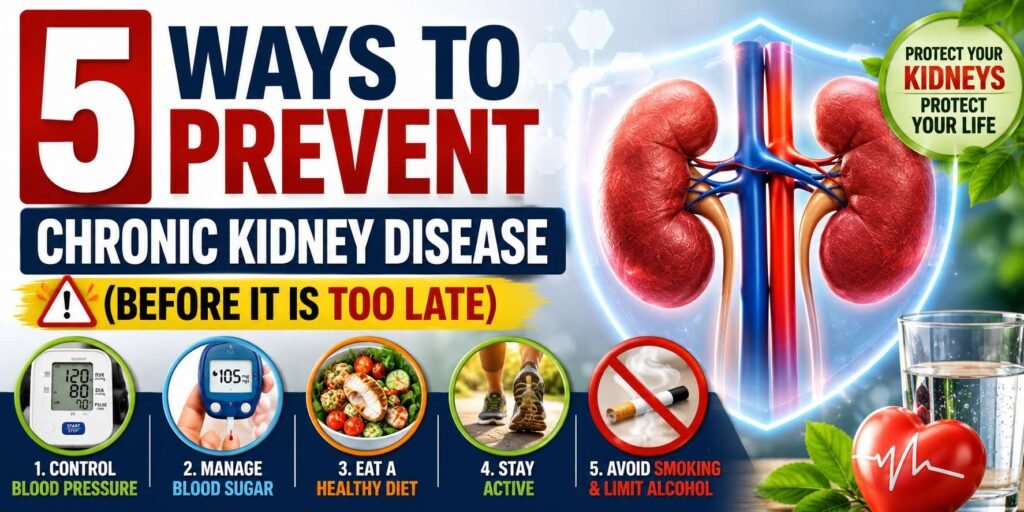
Here are 5 proven, science-backed ways to prevent chronic kidney disease and keep your renal system running clean for the rest of your life.
1. Control Your Blood Pressure (The Heart-Kidney Connection)
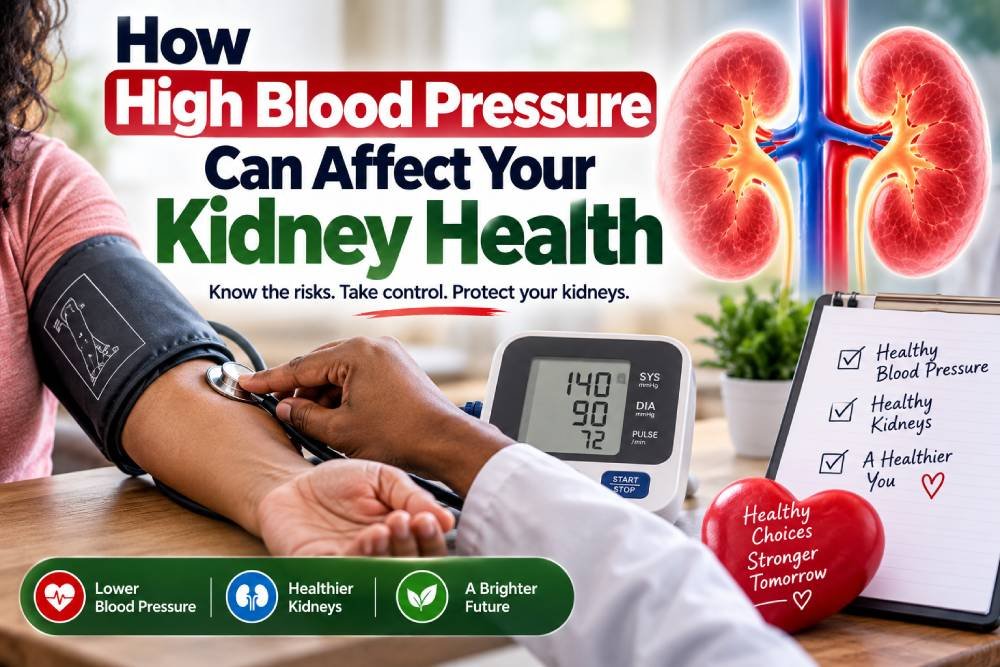
If you want to protect your kidneys, you have to protect your blood vessels. High blood pressure is the second leading cause of kidney failure, right behind diabetes.
The relationship between your heart and your kidneys is deeply connected. Your kidneys filter about 200 quarts of fluid every single day. To do this, they rely on a steady, gentle supply of blood flowing through tiny, delicate blood vessels.
When your blood pressure is chronically high, the force of the blood pushing against the walls of those vessels is too strong. Imagine turning a garden hose on full blast and pinching the end. The pressure builds up behind the pinch.
In your body, that intense pressure damages the fragile filtering units in your kidneys. Over time, the blood vessels thicken, narrow, and eventually scar. When the vessels scar, blood cannot get through, and the nephrons die from a lack of oxygen and nutrients.
The danger of high blood pressure is that it is completely silent. You can walk around with a blood pressure of 150 over 100 and feel perfectly fine. That is why doctors call it the silent killer. It destroys your kidneys, your heart, and your brain without giving you a single warning sign.
Action Steps to Lower Blood Pressure
Normal blood pressure should be under 120 over 80. If your numbers are consistently above 130 over 80, you are in the danger zone. The first step is to buy a home blood pressure monitor and check your numbers daily. Keep a log to show your doctor.
To lower it naturally, you must cut back on sodium. Sodium pulls water into your blood vessels, increasing the volume and the pressure. Aim for less than 2,300 milligrams of sodium a day, and ideally under 1,500 if you are already at risk.
This means avoiding canned soups, frozen dinners, and fast food, which are loaded with hidden salt.
Physical activity is also non-negotiable. Walking for 30 minutes a day, five days a week, strengthens your heart muscle. A stronger heart pumps blood with less effort, which decreases the force on your arteries.
If lifestyle changes are not enough, take the medication your doctor prescribes. Blood pressure drugs, particularly ACE inhibitors or ARBs, are highly effective and actually have protective properties specifically for kidney tissue.
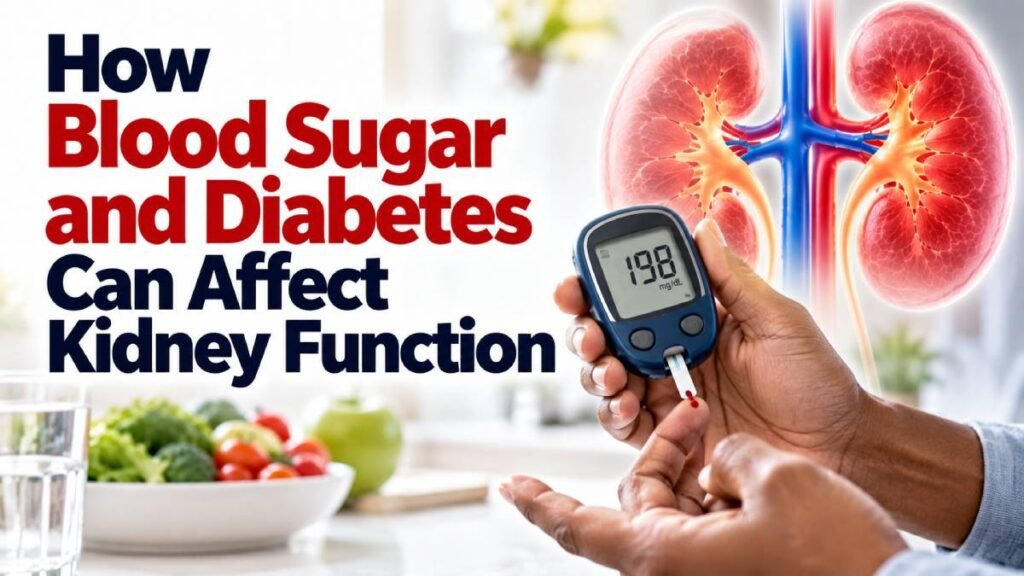
2. Manage Your Blood Sugar to Stop Kidney Scarring
Diabetes is the absolute leading cause of chronic kidney disease. When we talk about diabetes causing kidney failure, we are specifically talking about high blood glucose levels.
When your blood sugar is consistently high, it acts like a corrosive agent inside your bloodstream. It is essentially like having tiny shards of glass circulating through your delicate renal filters.
Your kidneys contain millions of tiny blood vessel clusters called glomeruli. These clusters act like sifts, letting waste pass through into your urine while keeping important proteins and red blood cells in your body.
High blood sugar forces the kidneys to filter too much blood. This hyperfiltration stresses the glomeruli. Eventually, the high glucose levels cause the filters to become thick and scarred. This condition is called diabetic nephropathy.
Once the filters are scarred, they start leaking. The first sign of kidney damage from diabetes is a tiny amount of protein leaking into your urine. This protein is called albumin.
If you catch the leak early, you can stop the damage. If you ignore it, the kidneys will lose their ability to filter waste entirely, leading to end-stage renal disease.
You do not have to be a diagnosed diabetic to suffer kidney damage from blood sugar. Millions of people are prediabetic. They eat diets high in refined carbohydrates, causing massive blood sugar spikes throughout the day.
Over years, this constant sugar flood quietly damages the renal system without triggering a formal diabetes diagnosis.
Action Steps to Stabilize Blood Sugar
The most important step is to stop drinking liquid sugar. Sodas, energy drinks, sweet teas, and fruit juices spike your blood sugar faster than any solid food. Switch to water, unsweetened tea, or black coffee.
If you want something sweet, eat whole fruit. The fiber in whole fruit slows down the absorption of fructose, preventing a massive spike.
Focus on eating complex carbohydrates instead of refined ones. Swap white bread for whole grain bread. Swap white rice for brown rice or quinoa.
Pair every carbohydrate with a protein and a healthy fat. If you eat an apple, have a handful of almonds with it. The fat and protein slow down digestion, keeping your blood sugar stable.
If you have diabetes, you must check your blood sugar regularly and take your medications as prescribed. Ask your doctor for an A1C test, which measures your average blood sugar over the last three months. For most adults, the goal is an A1C below 7 percent.
3. Adopt a Kidney-Friendly Diet and Hydration Routine
Your diet is the foundation of your kidney health. What you eat directly determines how hard your kidneys have to work. A kidney-friendly diet is not complicated, but it is very specific.
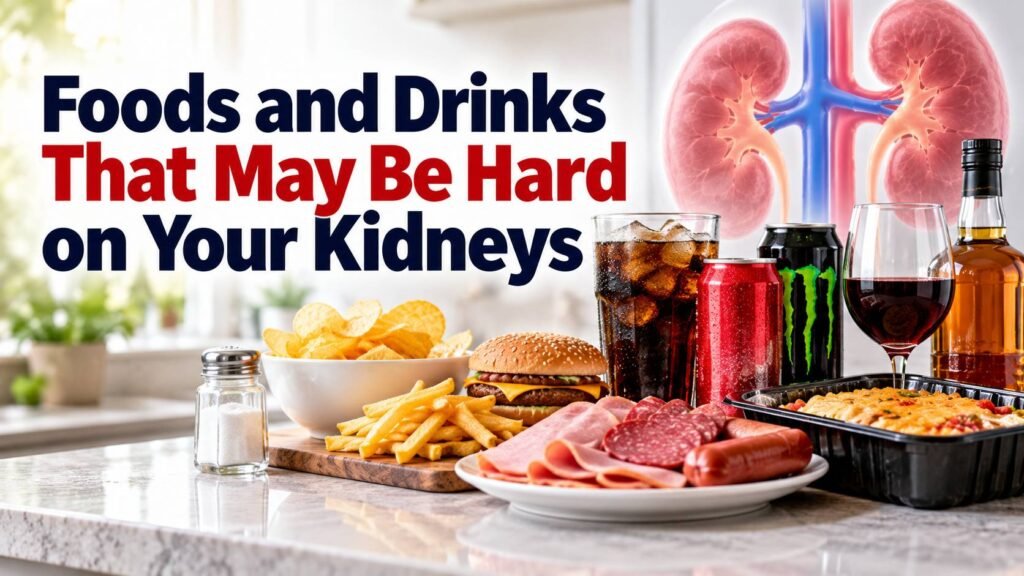
It involves eating whole, unprocessed foods and avoiding chemicals, excess sodium, and hidden phosphorus. Many people do not realize that eating a highly processed diet forces the kidneys to work overtime to filter out artificial additives and preservatives.
Hydration is equally critical. Your kidneys need water to flush out waste products like urea and creatinine. If you are chronically dehydrated, those wastes build up in your blood and form kidney stones.
Kidney stones are not just painful; passing them can cause physical trauma to the delicate tissues inside the kidney, leading to scarring and infection.
When looking for ways to support your renal system naturally, many people explore specialized diets and holistic protocols. If you are considering a natural approach, it is always smart to do your research first.
For example, you can read our honest review of the Chronic Kidney Disease Solution to see if natural programs are legit or a scam before trying one. However, you should always consult your nephrologist before making drastic dietary changes, especially if your kidney function is already compromised.
Action Steps for a Kidney Diet
First, drink the right amount of water. Aim for about 8 to 10 glasses of fluid a day. If your urine is pale yellow, you are doing well. If it is dark yellow, drink more.
Second, watch your phosphorus intake. Healthy kidneys easily remove excess phosphorus. Damaged kidneys struggle. Too much phosphorus pulls calcium out of your bones, making them weak and brittle.
The calcium then deposits in your blood vessels and heart, causing blockages. To lower phosphorus, avoid dark colas, processed meats, and excessive dairy products.
Third, be careful with potassium if your doctor has told you your levels are high. Potassium is vital for nerve function, but if your kidneys cannot filter it out, it can cause fatal heart arrhythmias.
Foods high in potassium include bananas, tomatoes, potatoes, and oranges. You can actually leach potassium out of potatoes by cutting them into small pieces and boiling them in a large pot of water, then pouring the water down the drain.
Finally, focus on eating foods that are gentle on the kidneys. Excellent choices include cabbage, cauliflower, garlic, onions, and olive oil. Berries like blueberries and strawberries are fantastic because they are low in potassium but packed with antioxidants that reduce inflammation in the renal system.
4. Avoid Nephrotoxic Drugs and Harmful Toxins
One of the most overlooked causes of kidney damage is the overuse of over-the-counter medications. People often assume that because a pill is available without a prescription, it is completely safe. This is a dangerous assumption, especially for your kidneys.
Many common painkillers are nephrotoxic, meaning they are directly toxic to the kidneys. The main culprits are NSAIDs, or nonsteroidal anti-inflammatory drugs. This includes ibuprofen, naproxen, and high-dose aspirin.
NSAIDs work by blocking enzymes that cause pain and inflammation. However, these same enzymes are responsible for keeping the blood vessels in your kidneys open. When you block the enzymes, the blood vessels constrict. Blood flow to the kidneys drops dramatically.
If you take these pills occasionally for a headache, your kidneys will recover. But if you pop ibuprofen every day for chronic back pain or arthritis, you are slowly suffocating your kidneys.
Beyond medications, environmental toxins and lifestyle choices also play a huge role. Smoking is absolutely devastating to kidney health. Smoking restricts blood vessels throughout your entire body.
It causes atherosclerosis, the hardening and narrowing of the arteries. When the renal arteries narrow, your kidneys starve for oxygen. Smoking also makes your blood stickier, increasing the risk of clots. If a clot blocks a renal artery, part of your kidney tissue dies.
Furthermore, smoking makes high blood pressure and diabetes much harder to control, compounding the damage.
Heavy alcohol consumption is another kidney killer. While one drink occasionally is fine, chronic drinking forces your kidneys to work overtime to filter the toxic byproducts of alcohol metabolism.
Alcohol also dehydrates you, which reduces blood flow to the kidneys. Long-term heavy drinking leads to liver disease, and liver disease directly impairs kidney function. The two organs work together to balance fluids and blood pressure; when one fails, the other soon follows.
Action Steps to Avoid Toxins
If you have chronic pain, find alternatives to daily NSAIDs. Try natural anti-inflammatories like turmeric, fish oil, or ginger. Talk to your doctor about prescription pain management options that do not restrict blood flow to the kidneys.
Acetaminophen is generally considered safer for the kidneys than NSAIDs, provided you do not exceed the daily limit, because it is processed by the liver rather than the kidneys.
If you smoke, quit today. It is the single most important thing you can do for your renal and cardiovascular health. Talk to your doctor about nicotine replacement therapies or prescription aids.
And if you drink alcohol, limit yourself to one drink per day for women, or two drinks per day for men. Always drink a glass of water alongside every alcoholic beverage to stay hydrated.
Be cautious with herbal supplements and extreme detox teas. The supplement industry is not strictly regulated. Some herbs contain heavy metals like lead or mercury, which are highly toxic to the kidneys. Always run any new supplement by your doctor or a registered dietitian before putting it in your body.
5. Get Regular Kidney Function Screenings
The absolute best way to prevent chronic kidney disease from ending your life is to catch it early. Because CKD is a silent disease in its early stages, you cannot rely on symptoms to tell you something is wrong. You have to look for the damage before you can feel it.
This is why regular screenings are absolutely critical, especially if you fall into a high-risk category.
You are considered high risk if you have diabetes, high blood pressure, a family history of kidney failure, or if you are over the age of 60. African Americans, Hispanics, and Native Americans also have a significantly higher risk of developing CKD. If you fit any of these categories, you should be getting your kidneys tested at least once a year, if not twice.
The problem is that many primary care doctors only order a basic metabolic panel, which gives a rough estimate of kidney function, but might not catch early damage. To truly know the health of your kidneys, you need two specific tests. You must be proactive and ask your doctor for them by name.
Action Steps for Kidney Screenings
The first test you need is the eGFR, which stands for estimated glomerular filtration rate. This is a blood test that calculates how well your kidneys are filtering waste out of your blood.
The test measures creatinine, a waste product from normal muscle breakdown. If your kidneys are healthy, they filter out creatinine efficiently. If they are failing, creatinine builds up in your blood.
The eGFR factors in your age, sex, and body size to give you a number. A score of 90 or above is normal. Anything between 60 and 89 means you should be monitored. A score below 60 for three months or more means you have chronic kidney disease.
The second test you need is a urine albumin test, also known as a microalbuminuria test. This is just a simple urine sample. Albumin is a protein found in your blood.
Healthy kidneys do not let protein leak into your urine. The filters are supposed to be fine enough to keep the protein in your bloodstream. If the filters are damaged or scarred, tiny amounts of albumin slip through into the urine.
Finding even a tiny amount of protein in your urine is one of the earliest signs of kidney damage. Catching this early allows you to make dietary and medical changes to stop the leaking before the kidneys fail completely.
Do not wait for your annual physical to bring up kidney health. Call your doctor today and request these two specific tests. Knowing your numbers gives you the power to change your trajectory. If your numbers are normal, you get peace of mind. If they are slightly off, you have caught the disease in its infancy, when it is still highly manageable.
Understanding the Stages of Chronic Kidney Disease
To truly understand why prevention matters so much, you need to understand how CKD progresses. Chronic kidney disease is broken down into five stages, based on your eGFR number. Knowing the stages helps you understand how much time you have to intervene.
- Stage 1: Your eGFR is normal (90 or above), but you have signs of kidney damage, like protein in your urine. At this stage, you feel completely fine. The kidneys are working hard, but there is slight physical damage. This is the best time to make lifestyle changes. If you control your blood pressure and blood sugar here, you can live the rest of your life without ever progressing.
- Stage 2: Your eGFR is slightly decreased (60 to 89). You still likely have no symptoms. The kidney damage is slightly worse. You might notice slightly higher blood pressure. Again, diet and exercise are critical here. You can still halt the progression entirely.
- Stage 3: Your eGFR is between 30 and 59. This is divided into Stage 3a and 3b. At this stage, the kidneys have lost moderate function. You might start feeling fatigued, retaining fluid in your legs, and experiencing sleep issues. Your doctor will likely put you on blood pressure medication and strictly monitor your diet. You can still manage the disease here, but the window is closing.
- Stage 4: Your eGFR is between 15 and 29. This is severe kidney disease. The kidneys are struggling to filter waste. You will likely experience swelling, back pain, changes in urination, and bad breath. You will need to see a nephrologist to prepare for kidney failure. You must follow a very strict renal diet.
- Stage 5: Your eGFR is below 15. This is end-stage renal disease. Your kidneys have failed or are very close to failing. You will need dialysis to clean your blood, or a kidney transplant to survive. There is no reversing this stage.
The goal of the 5 prevention strategies we discussed is to keep you in Stage 1 or Stage 2 forever. If you can stop the progression early, you never have to experience the physical misery of late-stage kidney disease.
The Role of Inflammation in Kidney Disease
Beyond the major causes like diabetes and high blood pressure, systemic inflammation plays a massive role in the destruction of kidney tissue. Chronic inflammation is like a slow-burning fire inside your body.
It is caused by eating highly processed foods, consuming too much sugar, carrying excess belly fat, and living with chronic stress.
Your immune system reacts to this inflammation by sending white blood cells to attack the perceived threat. When the inflammation is constant, your immune system never turns off. The white blood cells end up damaging healthy tissue, including the delicate filters in your kidneys.
This is why obese individuals are at a much higher risk for CKD, even if they do not have diabetes yet. The fat tissue itself releases inflammatory chemicals that stress the renal system.
Reducing inflammation is a powerful, under-the-radar way to prevent kidney disease. You can do this by eating an anti-inflammatory diet. This means loading up on foods rich in omega-3 fatty acids, like salmon, chia seeds, and walnuts.
It means eating brightly colored vegetables that are packed with antioxidants. Antioxidants neutralize free radicals, which are unstable molecules that cause cellular damage.
Stress management is also crucial for lowering inflammation. When you are chronically stressed, your body pumps out cortisol. High cortisol levels increase blood pressure and promote insulin resistance, both of which damage the kidneys.
Finding ways to decompress, whether through meditation, walking in nature, or spending time with loved ones, is a valid medical intervention for your kidneys.
Weight Loss and Kidney Health
If you are overweight, losing even a small amount of weight can dramatically improve your kidney health. Excess weight forces the kidneys to work harder to filter the extra blood volume required by the larger body mass.
This hyperfiltration stresses the glomeruli over time, causing them to scar.
Losing weight reduces the workload on your kidneys. It also lowers your blood pressure, improves your insulin sensitivity, and reduces systemic inflammation. It is a three-pronged attack against kidney disease.
However, you must be careful with how you lose weight. Extreme diets that promote rapid weight loss or high protein intake can actually harm your kidneys.
High-protein diets, like the traditional keto diet, force the kidneys to work overtime to excrete the excess nitrogen from the protein. If your kidneys are already compromised, a very high protein diet can push them over the edge.
Aim for slow, sustainable weight loss by eating a balanced diet of whole foods. Focus on plant-based proteins like beans and lentils, which are easier on the kidneys than animal proteins. Pair your diet with regular, moderate exercise.
Conclusion
Your kidneys are the ultimate filtration system. They work tirelessly, 24 hours a day, to keep your blood clean and your body balanced. They do not ask for much, but they do require you to stop actively destroying them.
Chronic kidney disease is a life-altering condition that leads to dialysis, transplants, and early death. But it is also one of the most preventable diseases on the planet.
By controlling your blood pressure, managing your blood sugar, eating a kidney-friendly diet, avoiding nephrotoxic painkillers, and getting regular screenings, you are taking the wheel. You are deciding your health future.
Do not wait for a doctor to look at your lab results and give you bad news. Take action today. Drink a glass of water, throw away the ibuprofen, and go for a walk. Your kidneys will thank you for it.
Disclaimer
This article is for informational purposes only and does not constitute medical advice. The statements made in this article have not been evaluated by the Food and Drug Administration. This information is not intended to diagnose, treat, cure, or prevent any disease. Individual results will vary. Always consult with a qualified healthcare professional before starting any new diet, supplement, or exercise program, especially if you have a pre-existing medical condition or are taking prescription medications.