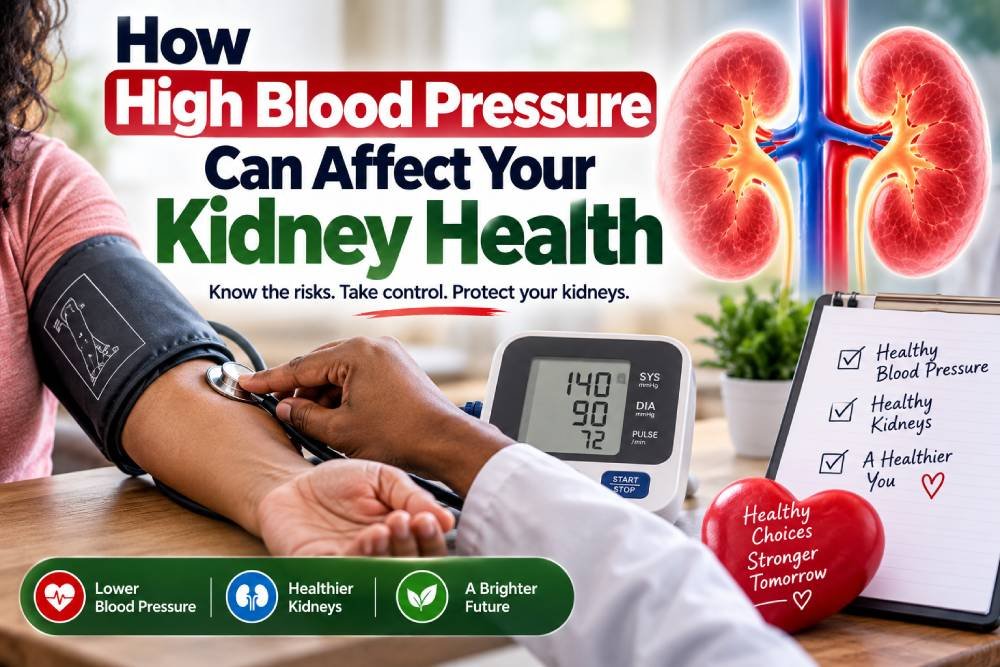
High blood pressure is one of the most important risk factors for kidney disease. The problem is that you may have high blood pressure for years without noticing any symptoms.
Your kidneys contain millions of tiny blood vessels that help filter waste and excess fluid from your blood. When blood pressure remains too high for a long time, it can damage these blood vessels and gradually affect how well your kidneys function.
The relationship also works in the opposite direction. As kidney function declines, the kidneys can have more difficulty regulating fluid and blood pressure, which can make hypertension harder to control.
Can High Blood Pressure Damage Your Kidneys?
Yes. Long-term, uncontrolled high blood pressure can damage the blood vessels and filtering structures inside the kidneys.
When those blood vessels become damaged, the kidneys may not be able to remove waste and excess fluid as effectively as they should. The resulting buildup of fluid can contribute to even higher blood pressure, creating a cycle that may cause additional kidney damage.
This is one reason controlling blood pressure is so important for long-term kidney health.
How High Blood Pressure Affects Kidney Function
The kidneys rely on a healthy blood supply to perform their filtering function. Persistently elevated blood pressure puts additional stress on the blood vessels throughout the body, including the vessels inside the kidneys.
Over time, this damage can interfere with the kidneys’ ability to filter blood properly.
Kidney function can decline gradually, which is why someone may not realize there is a problem until kidney disease has progressed.
The Connection Between High Blood Pressure and Chronic Kidney Disease
Chronic kidney disease, or CKD, occurs when the kidneys are damaged or their structure is affected in a way that reduces their ability to filter blood properly.
High blood pressure is one of the leading causes of CKD in adults. It can damage the kidneys over time, while existing kidney disease can also contribute to higher blood pressure.
If you’re trying to understand the broader issue of chronic kidney disease and the different approaches people may consider for supporting kidney health, you can also read our Chronic Kidney Disease Solution review.
That resource is separate from medical treatment, and anyone with diagnosed kidney disease should work with a qualified healthcare professional for personalized care.
Why Kidney Disease Can Make Blood Pressure Worse
The connection between hypertension and kidney disease can become a cycle.
- Blood pressure remains elevated.
- The high pressure damages blood vessels in the kidneys.
- Kidney function may gradually decline.
- The kidneys become less effective at removing excess fluid and regulating blood pressure.
- Blood pressure may rise further.
Breaking this cycle is one of the reasons early detection and proper blood-pressure management are so important.
Can You Have Kidney Damage Without Symptoms?
Yes. Early kidney disease often does not cause obvious symptoms.
That means you should not rely on how you feel to determine whether your kidneys are healthy. Someone with high blood pressure may feel perfectly well while kidney function is gradually changing.
As kidney disease becomes more advanced, symptoms may include swelling in the legs, ankles, feet, or hands, changes in urination, fatigue, nausea, itching, muscle cramps, or difficulty concentrating.
These symptoms can have many possible causes, so testing is necessary to determine whether kidney disease is present.
How Do Doctors Check for Kidney Damage?
Blood and urine tests are commonly used to check kidney health.
A blood test can measure kidney filtration, commonly reported as estimated glomerular filtration rate (eGFR). A urine test can look for albumin, a protein that may appear in the urine when the kidney’s filtering system has been damaged.
If you have high blood pressure, particularly if it has been difficult to control, ask your healthcare professional whether kidney testing is appropriate for you.
How Can You Protect Your Kidneys If You Have High Blood Pressure?
The most important step is to manage your blood pressure according to the treatment plan provided by your healthcare professional.
1. Monitor Your Blood Pressure
Regular blood-pressure monitoring can help you and your healthcare professional determine whether your treatment is working effectively.
Your ideal blood-pressure target depends on your individual health circumstances, so don’t assume that the same target applies to everyone.
2. Take Prescribed Medication as Directed
If you’ve been prescribed medication for high blood pressure, take it as directed. Some blood-pressure medications can also help protect kidney function in appropriate patients.
Never stop or change a prescription medication without discussing it with your healthcare professional.
3. Reduce Excess Sodium
Eating too much sodium can make blood pressure more difficult to control. Processed foods, packaged meals, salty snacks, restaurant meals, sauces, and cured meats can all contribute significant amounts of sodium.
Reducing excessive sodium intake can therefore be an important part of managing blood pressure and supporting kidney health.
4. Stay Physically Active
Regular physical activity can help with blood-pressure management and overall cardiovascular health.
Choose activities that are appropriate for your current fitness level and health status. If you have a medical condition or have been inactive for a long time, speak with your healthcare professional about an appropriate exercise plan.
5. Maintain a Healthy Weight
If you are overweight or have obesity, working toward a healthier weight may help improve blood pressure and reduce cardiovascular risk.
Focus on sustainable changes rather than extreme diets or rapid weight-loss programs.
6. Don’t Smoke
Smoking damages blood vessels and increases cardiovascular risk. If you smoke, quitting can be an important step toward protecting your overall health.
7. Limit Excessive Alcohol
Drinking too much alcohol can raise blood pressure. If you drink, discuss appropriate limits with your healthcare professional, particularly if you have hypertension or kidney disease.
What Should You Eat to Support Blood Pressure and Kidney Health?
A healthy eating pattern can help with blood-pressure management, but there is no single diet that is appropriate for everyone with kidney disease.
For people with high blood pressure who do not have kidney disease, a heart-healthy eating pattern that emphasizes vegetables, fruits, whole grains, nuts, fish, and other nutritious foods may be helpful.
Once kidney disease is present, dietary recommendations can become more individualized. Depending on kidney function, a person may need to pay attention to sodium, protein, potassium, phosphorus, fluids, or other nutrients.
That is why people with CKD should not automatically follow restrictive kidney diets found online without professional guidance. A healthcare professional or renal dietitian can help determine what is appropriate for the individual’s condition.
Who Is at Greater Risk of Kidney Disease?
High blood pressure is an important risk factor, but other factors can increase the likelihood of developing chronic kidney disease.
- Diabetes
- Heart disease
- A family history of kidney disease or kidney failure
- Long-term or poorly controlled high blood pressure
- Older age
If you have one or more of these risk factors, ask your healthcare professional whether you should have your kidney function checked.
Common Mistakes to Avoid
Waiting Until You Have Symptoms
Early kidney disease may not cause noticeable symptoms, so waiting until you feel unwell is not a reliable way to monitor kidney health.
Stopping Medication Because You Feel Better
If your blood pressure improves while taking medication, that does not necessarily mean you no longer need it. Talk with your healthcare professional before making any changes.
Following Extreme Kidney Diets
Kidney dietary requirements can vary considerably depending on kidney function and other health conditions. Cutting out entire food groups without professional guidance may be unnecessary or even counterproductive.
Relying on Supplements Instead of Medical Care
Supplements should not replace blood-pressure treatment, kidney testing, prescribed medication, or professional medical care.
If you are considering a supplement marketed for kidney support, discuss it with your healthcare professional first, especially if you have kidney disease or take prescription medications.
Frequently Asked Questions
Can high blood pressure cause kidney disease?
Yes. Long-term high blood pressure can damage the blood vessels and filtering structures of the kidneys and contribute to chronic kidney disease.
Can kidney disease cause high blood pressure?
Yes. Kidney disease can interfere with the body’s ability to regulate fluid and blood pressure, potentially making hypertension worse.
Can you have kidney disease without knowing it?
Yes. Early chronic kidney disease often has few or no noticeable symptoms. Blood and urine testing may be needed to detect it.
Does lowering blood pressure help protect the kidneys?
Yes. Proper blood-pressure management is an important part of preventing or slowing kidney damage associated with hypertension.
Should people with high blood pressure have their kidneys tested?
It is worth discussing kidney testing with your healthcare professional if you have high blood pressure, particularly if you have additional risk factors for CKD.
Final Verdict
High blood pressure and kidney health are closely connected. When hypertension remains uncontrolled for a long time, it can damage the blood vessels and filtering structures of the kidneys. Kidney disease can then make blood pressure more difficult to control, creating a cycle that may contribute to further kidney damage.
The best approach is to take blood pressure seriously even when you feel healthy. Monitor it regularly, follow your prescribed treatment, reduce excessive sodium, stay active, maintain a healthy lifestyle, and ask about kidney testing when appropriate.
Most importantly, don’t wait for symptoms before paying attention to your kidneys. Early kidney disease can be difficult to detect without proper testing.
Medical Disclaimer: This article is for educational purposes only and does not replace professional medical advice, diagnosis, or treatment. If you have high blood pressure, kidney disease, or concerns about your kidney function, speak with a qualified healthcare professional.