When was the last time you thought about your kidneys? For most people, the answer is never. We worry about our hearts, our brains, and our livers. But those two bean-shaped organs sitting in your lower back are silently running one of the most important operations in your entire body. They filter your blood, balance your fluids, and keep your hormones in check. The problem is that we constantly abuse them without realizing it. By the time you actually feel kidney pain, the damage is usually already done.
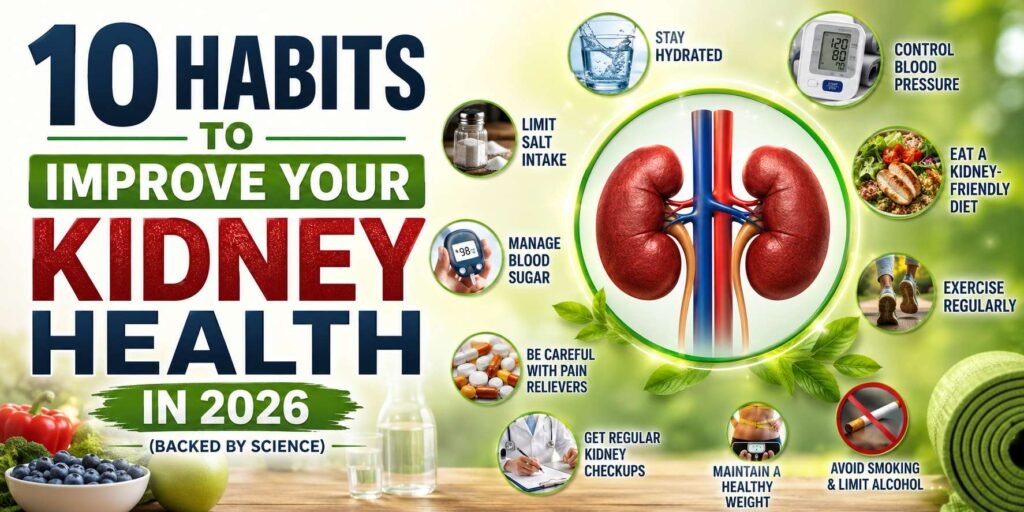
The good news is that your kidneys are highly resilient. If you catch problems early or just want to protect what you have, changing your daily routine can make a massive difference. You do not need a medical degree to protect your renal system. You just need to build the right habits. Here are 10 daily habits to improve your kidney health, explained in plain English so you can start today.
1. Drink Water, But Do Not Overdo It
Everyone tells you to drink more water. But when it comes to kidney health, the amount matters. Your kidneys need water to flush out sodium, urea, and other waste products. If you are constantly dehydrated, those wastes build up and form kidney stones. It also reduces blood flow to the kidneys, which damages the filters over time.
The old advice of drinking a gallon of water a day is mostly a myth. Drinking way too much water can actually be dangerous. It dilutes the electrolytes in your blood and forces your kidneys to work overtime to process the excess fluid. This can lead to a condition called hyponatremia, which is dangerously low sodium levels.
So what is the right amount? Most experts suggest aiming for about 8 to 10 glasses of fluid a day. This includes water, tea, and the moisture in your food. The easiest way to know if you are hydrated is to look at your urine. If it is pale yellow or clear, you are doing fine. If it is dark yellow or smells strong, you need to drink a glass of water right now. Do not wait until you are thirsty, because by then you are already slightly dehydrated.
How to build this habit:
Keep a reusable water bottle on your desk or near you at all times. If it is in your line of sight, you will drink it. Set a reminder on your phone for every two hours to take a few sips. If you work out or sweat heavily, add an extra glass or two to replace what you lost.
2. Cut Back on Added Sodium
Sodium is public enemy number one for your kidneys. Your kidneys are responsible for balancing the amount of sodium in your body. When you eat too much salt, your kidneys hold onto extra water to dilute it. This extra fluid builds up in your blood vessels. The result is higher blood pressure, which directly damages the tiny blood vessels in your kidneys.
The tricky part is that most of the sodium you eat does not come from the salt shaker on your table. It comes from restaurant food, canned soups, frozen dinners, and bread. Processed foods are loaded with hidden sodium because salt acts as a preservative and makes cheap food taste better.
If you want to protect your kidneys, you have to start reading labels. Anything with more than 400 milligrams of sodium per serving is considered high. You should aim for less than 2,300 milligrams of sodium per day. If you already have high blood pressure or kidney disease, your doctor might want you under 1,500 milligrams.
How to build this habit:
Cook at home more often. When you cook, you control exactly how much salt goes into your food. Use lemon juice, garlic, onion powder, and herbs to flavor your food instead of reaching for the salt. When you buy canned beans or vegetables, rinse them under cold water before cooking. This washes away up to 40 percent of the added sodium.
3. Keep Your Blood Sugar in Check
Diabetes is the leading cause of kidney failure in the world. When your blood sugar is consistently high, it acts like glass shards on the tiny filtering units inside your kidneys. These filters are called nephrons. Over time, high glucose levels scar the nephrons. Once a nephron is scarred and dead, it does not grow back. This is called diabetic nephropathy.
You do not have to be a diagnosed diabetic to have high blood sugar. Millions of people are prediabetic and do not even know it. They eat a bagel for breakfast, a sandwich for lunch, and pasta for dinner. This constant flood of refined carbohydrates forces the pancreas to pump out insulin, and eventually, the system breaks down. The sugar stays in the blood and destroys the kidneys.
Protecting your kidneys means stabilizing your blood sugar. You do not have to go on a crazy keto diet, but you do need to stop drinking liquid sugar. Sodas, energy drinks, and sweet teas are the worst offenders. They spike your blood sugar faster than any solid food can.
How to build this habit:
Swap white carbs for complex carbs. Eat brown rice instead of white rice. Choose sweet potatoes over white potatoes. If you are going to eat something sweet, pair it with a protein or a fat. Eating an apple with a handful of almonds will slow down the absorption of the sugar, preventing a massive spike in your bloodstream. If you want to see how food affects your metabolism, check out our guide on how to lose weight in a month safely, as weight loss naturally helps insulin resistance.
4. Monitor and Manage Blood Pressure
High blood pressure is the second leading cause of kidney failure. Your heart and your kidneys are directly connected. Your kidneys need a steady, gentle supply of blood to function. When your blood pressure is high, the force of the blood pushing against the walls of your blood vessels is too strong. This pressure damages the delicate vessels in the kidneys. They become narrow, hard, and weak. Eventually, the kidneys lose their ability to filter blood properly.
The scary thing about high blood pressure is that it is completely silent. You can walk around with a blood pressure of 160 over 100 and feel completely fine. That is why they call it the silent killer. It destroys your kidneys, your heart, and your brain without any warning signs until something breaks.
Normal blood pressure should be under 120 over 80. If your numbers are consistently above 130 over 80, you need to take action. This might mean cutting back on sodium, losing weight, or taking medication prescribed by your doctor. Do not ignore high readings.
How to build this habit:
Buy a home blood pressure monitor. They are cheap and easy to use. Check your pressure once a week in the morning before you drink coffee. Keep a log of your numbers. If you want a natural way to lower your numbers, look into the Blood Pressure Program, which focuses on specific breathing exercises to relax blood vessels. Also, getting 30 minutes of brisk walking a day is one of the fastest ways to drop your numbers naturally.
5. Eat Kidney-Friendly Whole Foods
Your diet is the foundation of your kidney health. A kidney-friendly diet is not complicated. It mostly involves eating whole, unprocessed foods and avoiding junk food. But there are specific things you need to watch out for if you want to protect your renal system.
Beyond sodium, you need to watch your phosphorus and potassium intake if your kidney function is already declining. Healthy kidneys easily remove excess phosphorus and potassium. Damaged kidneys struggle. Too much phosphorus pulls calcium out of your bones, making them weak. Too much potassium can cause dangerous heart rhythm problems.
Foods high in phosphorus include dark colas, processed meats, and dairy products. Foods high in potassium include bananas, tomatoes, potatoes, and oranges. If your kidneys are healthy, you do not need to panic about these foods. But if you are trying to heal your kidneys, you might need to adjust. Some people explore natural healing protocols to support this process. If you are looking into natural approaches, you should read our honest review of the Chronic Kidney Disease Solution to see if that program is legit or just another scam.
How to build this habit:
Focus on eating foods that are gentle on the kidneys. Good choices include cabbage, cauliflower, garlic, onions, and olive oil. Berries like blueberries, strawberries, and raspberries are excellent because they are low in potassium but high in antioxidants that fight inflammation. Eat lean proteins like fish and chicken, but keep your portions realistic. A serving of meat should be about the size of your palm, not your whole plate.
6. Stop Abusing Over-the-Counter Painkillers
This is a habit that ruins kidneys quietly. Many people pop ibuprofen, naproxen, or aspirin like they are candy. These drugs are called NSAIDs, or nonsteroidal anti-inflammatory drugs. They are great for a headache or a sore back, but they are terrible for your kidneys.
NSAIDs work by blocking chemicals called prostaglandins. These chemicals cause pain and inflammation, but they also keep the blood vessels in your kidneys open. When you block prostaglandins, the blood vessels in your kidneys constrict. Blood flow drops. If you take these pills every day for weeks or months, you can cause a condition called analgesic nephropathy. This is permanent kidney damage caused by painkillers.
People with arthritis or chronic pain are especially at risk here. They take high doses of NSAIDs daily just to function. Over time, their kidneys slowly fail, and they end up on dialysis.
How to build this habit:
If you have a headache, try drinking a large glass of water first. Many headaches are caused by dehydration. Try using a cold compress on your forehead. If you have joint pain, try natural anti-inflammatories like turmeric or fish oil. If you absolutely must take an NSAID, take the lowest dose possible for the shortest time possible. Do not take them for more than 10 days in a row without talking to a doctor. Acetaminophen (Tylenol) is generally safer for the kidneys than NSAIDs, as long as you do not exceed the daily limit, because it processes differently in the liver.
7. Quit Smoking and Limit Alcohol
You already know smoking is bad for your lungs. But it is just as bad for your kidneys. Smoking restricts your blood vessels. It causes atherosclerosis, which is the hardening of the arteries. When the arteries that supply blood to your kidneys get hard and narrow, your kidneys starve for oxygen and nutrients. Smoking also makes your blood stickier, which increases the risk of clots. If a clot blocks a renal artery, part of your kidney tissue dies.
Smoking is especially dangerous if you already have high blood pressure or diabetes. It basically speeds up the destruction of your kidneys. Quitting smoking is one of the hardest things you will ever do, but it is also the most impactful thing you can do for your renal health.
Alcohol is another kidney killer. While one drink a day might not be terrible, heavy drinking forces your kidneys to work harder to filter the toxins out of your blood. Alcohol also dehydrates you, which, as we discussed earlier, is bad for your kidneys. It also raises your blood pressure. Chronic drinking leads to liver disease, and liver disease directly impacts kidney function. The two organs work together to manage fluids and blood pressure in your body.
How to build this habit:
If you smoke, talk to your doctor about quitting aids like nicotine patches or prescription medications. If you drink, limit yourself to one or two drinks on special occasions. When you do drink alcohol, match every alcoholic beverage with a glass of water to stay hydrated. If you struggle with addiction, reach out to a local support group. There is no shame in asking for help.
8. Get Moving Daily
Exercise is not just for building muscle or losing weight. It is essential for kidney health. Regular physical activity lowers your blood pressure, improves your insulin sensitivity, and helps you maintain a healthy weight. All three of those things directly protect your kidneys.
When you sit on the couch all day, your blood moves slowly. Your heart does not have to work very hard. Over time, your cardiovascular system gets lazy. When you exercise, your heart pumps strongly, pushing blood through your kidneys and keeping those filters clean. Exercise also helps reduce systemic inflammation, which is a major driver of kidney disease.
You do not need to run a marathon or buy an expensive gym membership. You just need to move your body consistently. The goal is to get your heart rate up for at least 30 minutes a day, five days a week. This can be walking, swimming, cycling, or even dancing in your living room. The best exercise is the one you will actually stick with.
How to build this habit:
Find small ways to add movement to your day. Take the stairs instead of the elevator. Park your car at the far end of the parking lot. Go for a 15-minute walk after lunch and another one after dinner. If you work at a desk, stand up and stretch every hour. If you want a more structured approach to getting active without hurting your joints, you might find our Ageless Knees review helpful for keeping your lower body moving pain-free.
9. Sleep 7 to 8 Hours a Night
Sleep is when your body repairs itself. This includes your kidneys. Your kidneys actually have their own circadian rhythm. They work harder during the day to filter waste and slow down at night when you sleep. If you constantly stay up late or get poor sleep, you disrupt this rhythm. Your kidneys never get a chance to rest and recover.
Lack of sleep is also linked to high blood pressure, diabetes, and obesity. All of these conditions destroy kidney tissue. When you do not sleep, your stress hormones like cortisol stay high. High cortisol increases blood pressure and makes your body hold onto water. This puts a heavy load on your renal system.
Sleep apnea is another huge issue for kidney health. If you snore loudly and wake up feeling tired, you might have sleep apnea. This condition causes you to stop breathing dozens of times a night. This drops the oxygen levels in your blood. Your kidneys are highly sensitive to low oxygen levels. Sleep apnea can directly cause kidney damage over time. If you suspect you have it, get a sleep study done immediately.
How to build this habit:
Set a strict bedtime and stick to it, even on weekends. Turn off all screens an hour before bed. The blue light from your phone tricks your brain into thinking it is daytime, which stops the release of melatonin. Keep your bedroom cool, dark, and quiet. If you have trouble winding down, try taking a warm shower or drinking chamomile tea before bed. If you need extra help, there are natural sleep aids worth looking into. You can check out our list of the best sleep supplements for 2026 to find safe, non-habit-forming options.
10. Get Your Kidneys Tested Regularly
This is the most important habit if you are over 40 or have a family history of kidney disease. Kidney disease is called a silent killer because it has almost no symptoms in the early stages. You can lose 50 percent of your kidney function and feel completely normal. By the time you feel tired, have swollen ankles, or see blood in your urine, the damage is severe.
The only way to catch kidney disease early is through blood and urine tests. There are two main tests you need to ask your doctor for. The first is the eGFR, which stands for estimated glomerular filtration rate. This is a blood test that measures how well your kidneys are filtering waste. A score of 90 or above is normal. Anything below 60 for three months or more means you have chronic kidney disease.
The second test is a urine albumin test. Albumin is a protein. Healthy kidneys do not let protein leak into the urine. If your urine test shows albumin, it means your kidney filters are damaged and are letting things slip through that they shouldn’t. This is one of the earliest signs of kidney trouble.
How to build this habit:
Schedule an annual physical with your primary care doctor. Tell them you want a comprehensive metabolic panel that includes the eGFR and a urinalysis. If you have diabetes, high blood pressure, or a family history of kidney failure, you should get these tests done twice a year. Do not wait for your doctor to suggest it. Be proactive and ask for the tests directly. Knowing your numbers is the only way to protect yourself.
Understanding the Kidney Diet: Potassium and Phosphorus
Let us dig a little deeper into the diet aspect of kidney health. A lot of people get confused about what they can and cannot eat. As we mentioned earlier, if your kidneys are perfectly healthy, you can eat a normal balanced diet. But if your kidney function is dropping, you have to start managing minerals like potassium and phosphorus.
Potassium helps your nerves and muscles communicate. It keeps your heart beating steadily. Your kidneys remove extra potassium from your blood. If your kidneys are failing, potassium builds up. This is called hyperkalemia. It can cause muscle weakness, numbness, and fatal heart arrhythmias. If you need to lower potassium, avoid bananas, avocados, potatoes, tomatoes, and oranges. You can leach potatoes by cutting them into small pieces and boiling them in a large pot of water. This pulls the potassium out of the potato and into the water, which you then throw away.
Phosphorus works with calcium to keep your bones strong. Your kidneys remove extra phosphorus. When kidneys fail, phosphorus builds up in the blood. This pulls calcium out of your bones, making them weak and brittle. The calcium then deposits in your blood vessels and heart, causing blockages. If you need to lower phosphorus, avoid dark colas, dairy products, nuts, and processed meats.
Managing Stress for Kidney Health
You might not think stress affects your kidneys, but it does. When you are stressed, your body goes into fight or flight mode. Your adrenal glands, which sit right on top of your kidneys, pump out cortisol and adrenaline. These hormones raise your blood pressure and make your heart beat faster. Chronic stress keeps your body in this state permanently.
Long-term high blood pressure from stress damages the blood vessels in your kidneys. Stress also leads to bad habits. When people are stressed, they drink more alcohol, eat more junk food, and skip exercise. All of these things hurt your kidneys indirectly.
Finding ways to manage your stress is a kidney health habit. This could be meditation, yoga, reading a book, or spending time in nature. Even just taking five deep breaths when you feel overwhelmed can lower your blood pressure. Find what works for you and make it a daily practice.
Supplements and Kidney Health
Be very careful with supplements if you have kidney issues. Some vitamins and herbs can actually make kidney disease worse. For example, taking high doses of vitamin C can lead to kidney stones in some people. Some herbal supplements contain heavy metals that are toxic to the kidneys. Always talk to your doctor before starting any new supplement, especially if you already have kidney damage.
That being said, some natural ingredients can support kidney function when used correctly. For instance, astragalus root has been used in traditional Chinese medicine for centuries to support kidney health. Omega-3 fatty acids from fish oil can help reduce inflammation in the kidneys. But again, more is not always better. Stick to recommended doses and clear it with your nephrologist.
The Bottom Line
Your kidneys work hard for you 24 hours a day, 7 days a week. They do not ask for much in return. But they do need you to stop actively destroying them. Kidney disease is devastating. Once your kidneys fail, your only options are dialysis or a kidney transplant. Both of those options change your life forever.
You have the power to prevent that future. By drinking the right amount of water, cutting back on salt, managing your blood sugar, and getting your kidneys tested, you are taking control of your health. Quit smoking, move your body, and get some sleep. These are not complicated medical procedures. They are basic life habits.
Start small. Pick one habit from this list and focus on it for a week. Once you master it, add another one. Your kidneys will thank you. And so will the rest of your body.
Disclaimer
This article is for informational purposes only and does not constitute medical advice. The statements made in this article have not been evaluated by the Food and Drug Administration. This information is not intended to diagnose, treat, cure, or prevent any disease. Individual results will vary. Always consult with a qualified healthcare professional before starting any new diet, supplement, or exercise program, especially if you have a pre-existing medical condition or are taking prescription medications.