
Your kidneys are two fist-sized organs that quietly do some of the hardest work in your body. Every day, they filter around 150 quarts of blood, removing waste, balancing fluids, regulating electrolytes like sodium and potassium, and helping control blood pressure. Because of that constant filtering role, what you eat has a direct and lasting impact on how well your kidneys function.
The good news is that supporting your kidneys doesn’t require an exotic or restrictive diet. It largely comes down to favoring foods low in sodium, moderate in high-quality protein, and rich in antioxidants and fiber, while going easy on processed foods, excess potassium, and phosphorus (especially if kidney function is already reduced). Below are 20 foods that nutrition experts and nephrology-affiliated dietitians consistently point to as some of the best choices for kidney health, along with why each one earns its spot.
A quick but important note before diving in: if you already have chronic kidney disease (CKD), are on dialysis, or have had a kidney transplant, your nutrient needs are individualized. Potassium and phosphorus restrictions in particular vary a great deal from person to person. Always work with a nephrologist or renal dietitian before making major dietary changes.
1. Red Bell Peppers

Red bell peppers pack a lot of nutrition into a low-potassium package. A half-cup serving of red bell pepper contains just 1 mg of sodium, 88 mg of potassium, and 10 mg of phosphorus, making them one of the most kidney-friendly vegetables available. Beyond their low mineral content, red bell peppers are also an excellent source of vitamins C and A, vitamin B6, folic acid, and fiber. They’re versatile too — dice them raw into salads, roast them alongside other vegetables, or blend them into a dip.
2. Cabbage
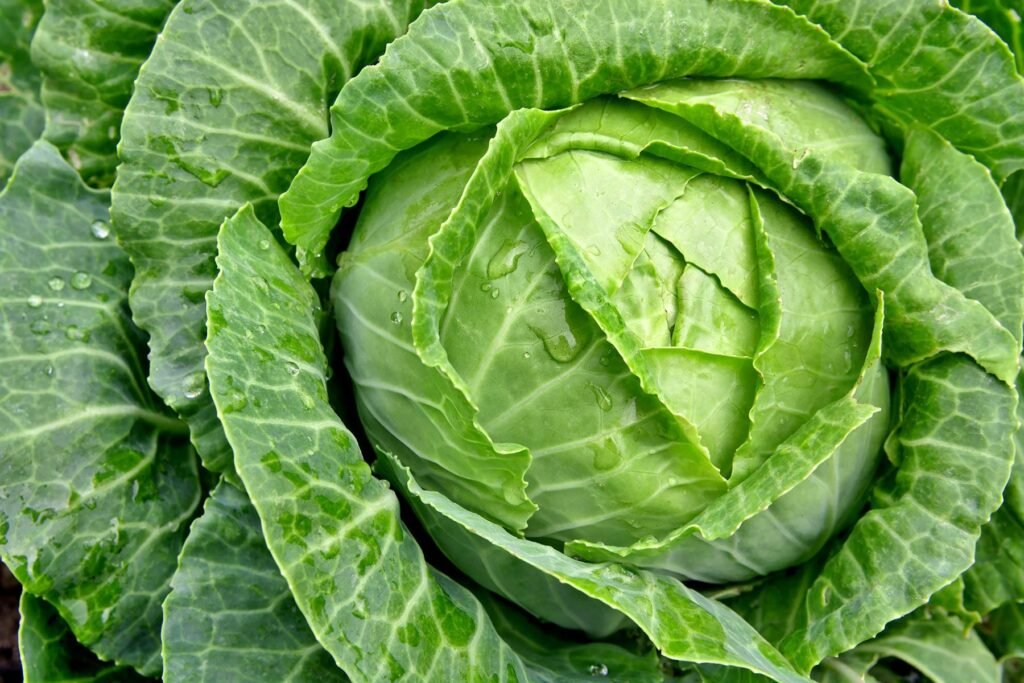
Cabbage is inexpensive, versatile, and remarkably low in the minerals that people with reduced kidney function need to watch. It’s high in vitamin K, vitamin C, and fiber, and is also a good source of vitamin B6 and folic acid, while being low in both potassium and cost. You can steam, microwave, or boil cabbage, then season it with pepper or caraway seeds as a simple side dish, or shred it raw into a crunchy slaw.
3. Cauliflower
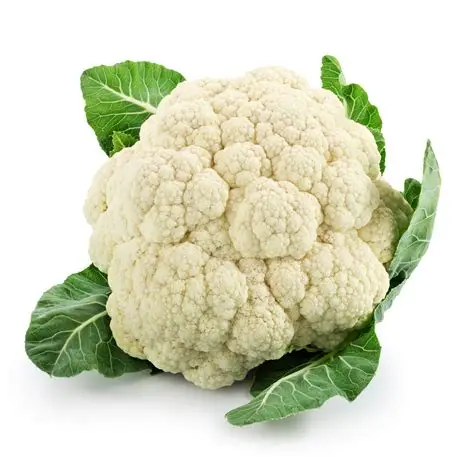
Cauliflower belongs to the cruciferous vegetable family, alongside broccoli and cabbage, and it brings a distinct nutritional benefit. It’s high in vitamin C and a good source of folate and fiber, and it’s packed with compounds like indoles, glucosinolates, and thiocyanates that help the liver neutralize toxic substances that could otherwise damage cell membranes and DNA. Separately, nutrition sources note that cauliflower reduces the oxidation of fats and lowers inflammation, which promotes kidney health, while also being low in both potassium and sodium. Mash it as a lower-carb alternative to potatoes, or roast it with olive oil and herbs.
4. Blueberries

Berries as a category are frequently singled out for kidney health, and blueberries are often the standout. Blueberries are rich in vitamins and antioxidants, low in calories, and high in fiber. More broadly, berries like blueberries, strawberries, cranberries, raspberries, red grapes, and cherries are good sources of fiber, vitamin C, and antioxidants. Toss a handful onto oatmeal, blend them into a smoothie, or simply eat them by the bowlful as a snack.
5. Cranberries
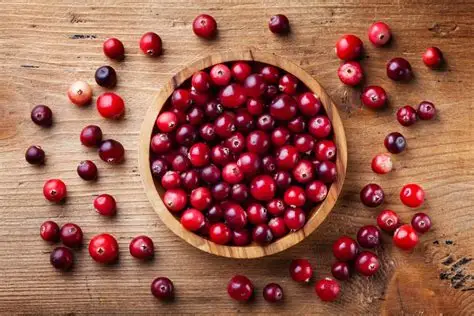
Cranberries offer a unique benefit beyond general antioxidant support: they may help protect urinary tract health. These tangy berries may protect against bladder infections by preventing bacteria from sticking to the bladder wall. They’re also remarkably low in sodium, potassium, and phosphorus — a half-cup serving of cranberry juice cocktail has just 3 mg sodium, 22 mg potassium, and 3 mg phosphorus, while a quarter-cup of dried cranberries has only 2 mg sodium, 24 mg potassium, and 5 mg phosphorus. Choose unsweetened or low-sugar versions when possible to avoid excess added sugar.
6. Apples
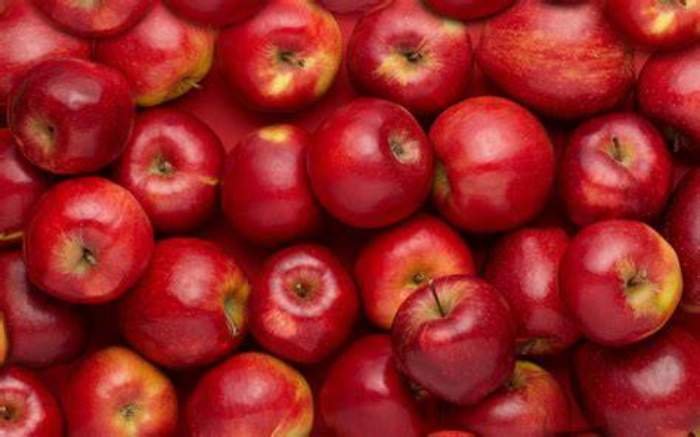
Apples are one of the most consistently recommended fruits across kidney nutrition resources. Apples may help reduce cholesterol, prevent constipation, protect against heart disease, and reduce the risk of cancer, and their high fiber content and anti-inflammatory compounds make them a smart choice for people managing kidney health. They’re also wonderfully flexible in the kitchen — you can eat them raw, bake them, stew them, turn them into applesauce, or drink them as juice or cider.
7. Garlic
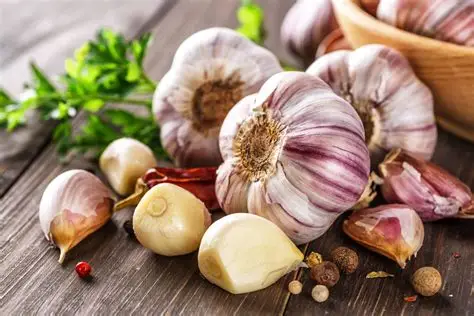
Garlic isn’t just a flavor booster; it has real functional benefits for kidney health. The anti-inflammatory and antioxidant properties of garlic help reduce oxidative damage to kidney cells and improve kidney health, while also improving microcirculation, reducing blood pressure, and offering protection against urinary tract infections. It’s also a fantastic tool for people cutting back on salt, since it adds robust flavor to dishes without needing extra sodium.
8. Onions
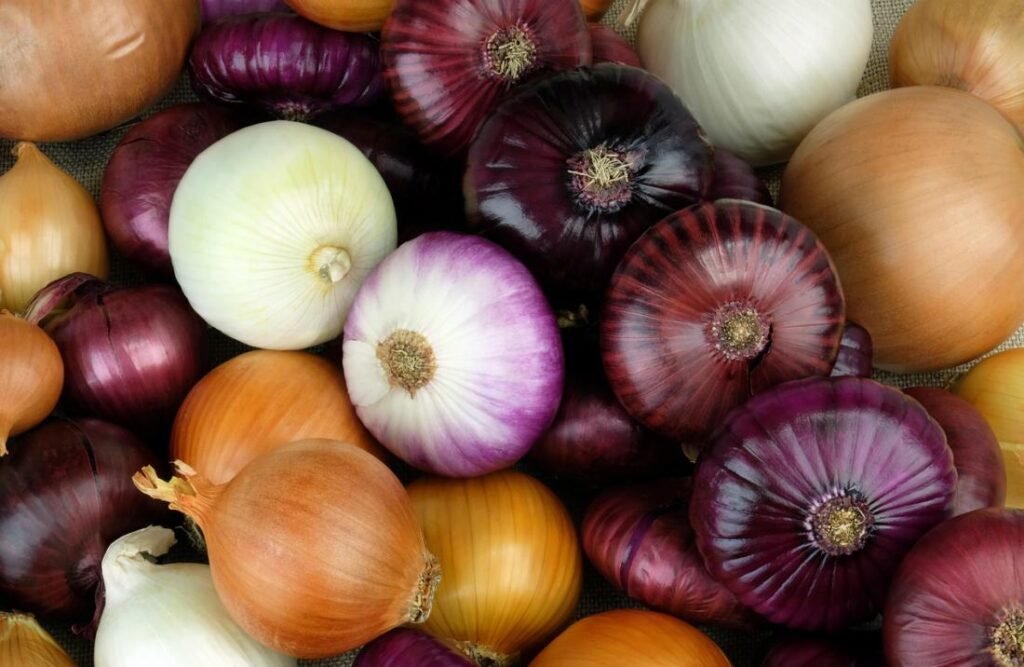
Onions work well alongside garlic in a kidney-conscious kitchen for the same reason: they deliver big flavor with minimal sodium and potassium. They’re commonly recommended as a low-sodium seasoning base for soups, stir-fries, and roasted vegetable dishes, helping people reduce reliance on salt shakers and pre-made sauces that tend to be sodium-heavy. Combined with garlic, onions form the aromatic foundation of countless kidney-friendly recipes, including pairings like an apple-onion omelet that nutrition experts have highlighted as a creative way to combine two kidney-supportive ingredients.
9. Egg Whites

Protein quality and quantity both matter for kidney health, and egg whites offer a useful solution for people who need to watch their phosphorus intake. While whole eggs have a higher phosphorus content, egg whites contain high-quality protein, are low in phosphorus, and are considered one of the best foods for kidney health — in dialysis patients specifically, they’ve been shown to increase serum albumin while lowering serum cholesterol and phosphorus. For people without phosphorus restrictions, whole eggs remain a solid protein choice too, since eggs offer high-quality protein with minimal phosphorus compared to many other protein sources.
10. Fatty Fish (Salmon, Tuna, Trout)
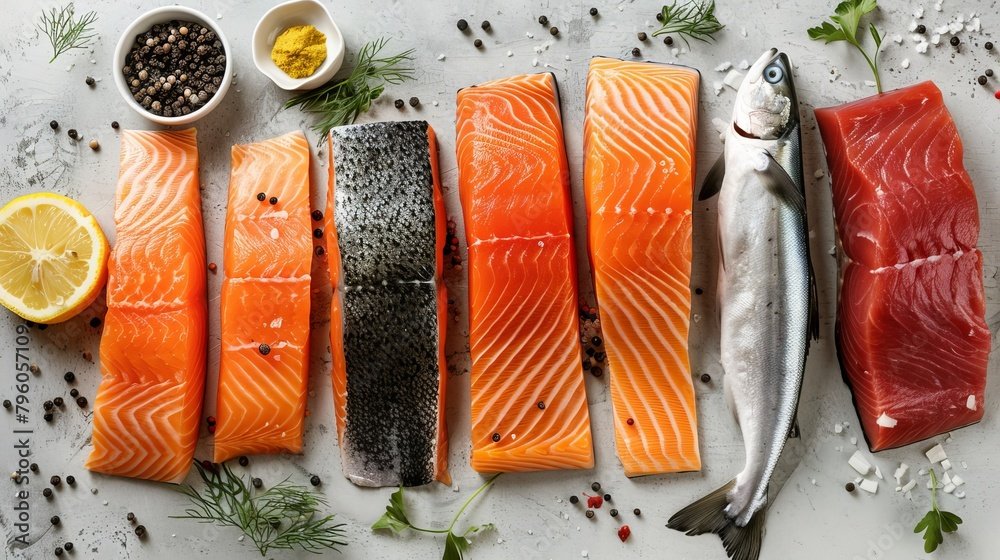
Fatty fish bring one of the most well-established cardiovascular and anti-inflammatory benefits of any food group, which matters because heart health and kidney health are closely linked. Fatty fish like salmon are an excellent source of omega-3 fatty acids, which help reduce inflammation and lower blood pressure — both crucial for effectively managing kidney health. That said, fatty fish is also relatively rich in potassium, so moderate consumption is recommended, particularly for anyone on a potassium-restricted diet. Fresh fish such as salmon, tuna, and trout are frequently recommended specifically for their omega-3 content.
11. Skinless Chicken

For people who need lean, easily digestible protein, skinless chicken is a frequently recommended option. It offers a lean protein source that is easy on the kidneys compared to fattier cuts of meat. Choosing skinless preparations, avoiding heavy breading or salty marinades, and pairing chicken with kidney-friendly vegetables like peppers or cauliflower keeps meals balanced without overloading on sodium.
12. Tofu

For anyone limiting animal protein — whether by choice or medical necessity — tofu is one of the most versatile substitutes available. It’s a plant-based protein option with less phosphorus than meat, making it particularly useful for people managing more advanced kidney disease. More broadly, plant-based alternatives such as soy- and legume-based products tend to be satisfying and easier on the kidneys than animal proteins like meat, some seafood, and dairy, since excessive protein intake makes kidneys work harder and can reduce their ability to clear waste over time.
13. Beans and Legumes
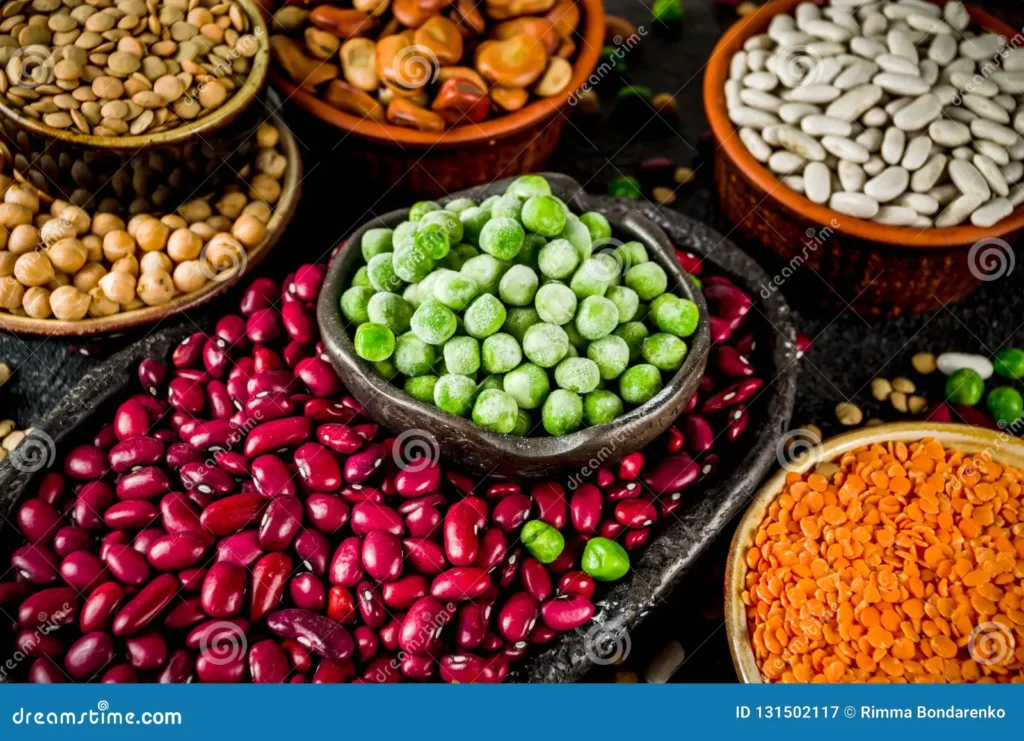
Beans deserve a place on almost any kidney-supportive plate, largely because of their fat profile. Beans are low in fat and contain no saturated fat, trans fat, or cholesterol, which helps protect the heart from heart disease — again reinforcing the heart-kidney connection. They’re also an excellent source of plant-based protein and fiber. As with fish, portion awareness matters for beans because of their potassium content, so working them into a balanced plate rather than eating oversized portions is the smart approach.
14. Buckwheat
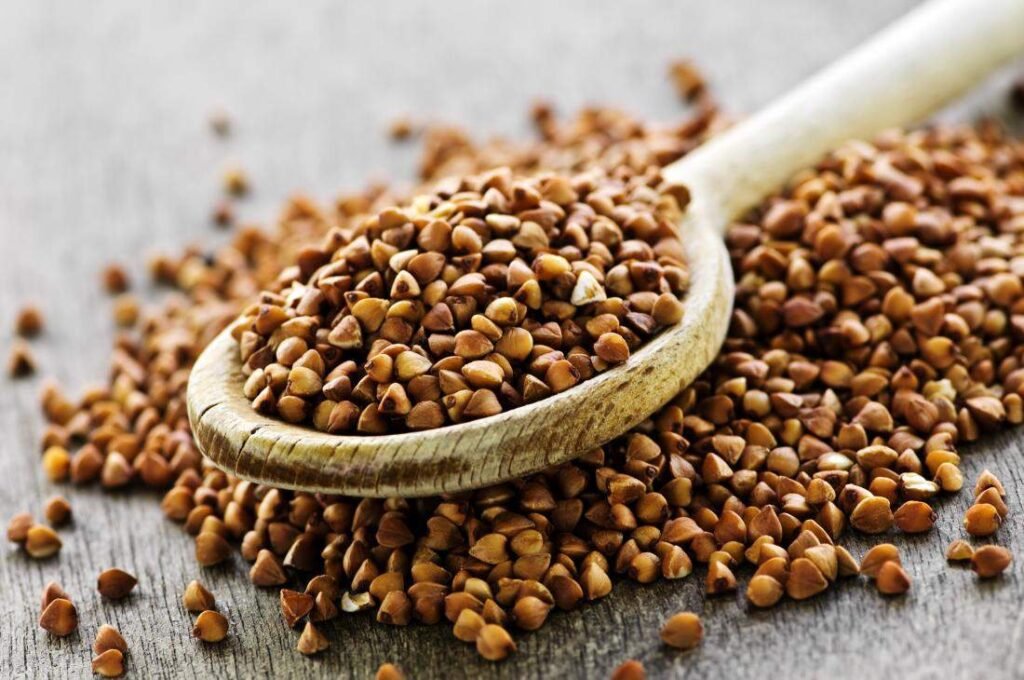
Whole grains generally support kidney health by aiding blood sugar control, and buckwheat stands out among them. Several studies have reported a protective role for buckwheat in renal function. Unlike wheat, buckwheat is naturally gluten-free and has a relatively low phosphorus content compared to many other whole grains, making it a smart substitute for rice or wheat-based sides.
15. Arugula

Leafy greens are often flagged as high-potassium foods to limit, but arugula is a notable exception. Arugula is lower in potassium than other leafy greens, while still contributing fiber and other beneficial nutrients. This makes it a good way to get the volume and micronutrients of a salad green without the potassium load that comes with spinach or Swiss chard.
16. Peaches, Plums, and Pineapple
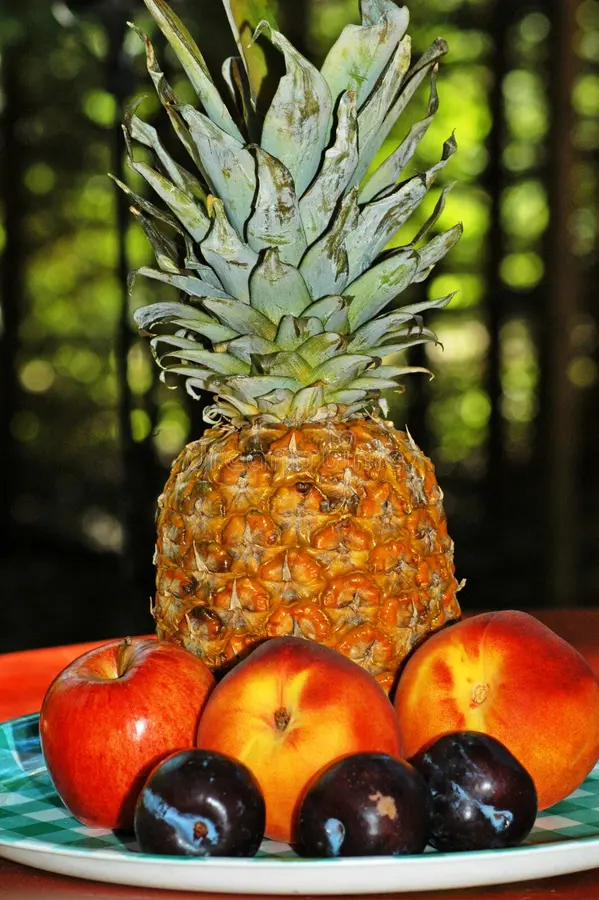
When it comes to fruit, not all options are equal for kidney health, largely due to potassium content. Peaches, plums, and pineapple are sweet choices that are notably lower in potassium than fruits like nectarines, mangos, and papaya, making them safer options for people who need to monitor their potassium intake while still enjoying naturally sweet, fiber-rich fruit.
17. Red Grapes and Cherries

Rounding out the berry-and-fruit category, red grapes and cherries are counted among the fruits that are good sources of fiber, vitamin C, and antioxidants, similar to blueberries and other berries. Their antioxidant content helps combat the oxidative stress that can accumulate in people managing kidney conditions, and they make an easy, portable snack.
18. Flax and Chia Seeds
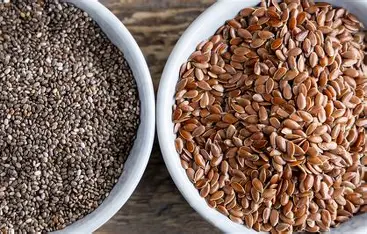
These small seeds punch well above their size nutritionally. Flax and chia seeds pack a nutritional punch and are available year-round, typically found in the health foods section, baking aisle, or near the nuts at the grocery store. They’re valued for their omega-3 content, fiber, and versatility — easily stirred into oatmeal, yogurt, or smoothies without altering the flavor much.
19. Yogurt

Dairy can be a tricky category for kidney health because of phosphorus content, but yogurt remains a popular choice when eaten in moderation. Yogurt is made through bacterial fermentation of milk and has a rich, creamy texture that makes it a favorite for many people. It can be eaten plain, mixed with fruit and granola, blended into a smoothie, or used as a dip, and comes in several forms including regular, Greek, kefir, and plant-based versions made from soy or coconut. Plain, unsweetened varieties are generally the better choice, since added sugars and flavorings can add unnecessary calories without added benefit.
20. Paneer (in Moderation)

For those who enjoy dairy-based protein, paneer offers a middle ground worth knowing about. Paneer is a good source of protein and calcium, and it contains relatively low levels of potassium and sodium, making it a kidney-friendly food that can be consumed in moderation. As with any dairy or protein source, portion control matters, and patients are generally advised to speak with their nephrologist before adding paneer to a kidney-focused diet.
Building These Foods Into a Kidney-Friendly Diet
Knowing which foods to include is only half the picture. How you build meals around them matters just as much. A few practical principles tie everything above together:
Prioritize fresh over processed. Avoiding packaged or fast foods, which tend to be high in sodium, is one of the most impactful things you can do for kidney health, alongside skipping added salt in favor of dried herbs for flavor. Canned vegetables and beans aren’t off-limits, but they should be rinsed thoroughly before eating, since they typically contain added salt.
Watch your protein portions, not just your protein source. A well-planned renal diet generally recommends limiting protein intake to roughly 0.6 to 0.8 grams per kilogram of body weight per day for people managing kidney disease, though this varies by individual and kidney function stage. This is why the list above leans toward protein sources that are easier on the kidneys — egg whites, tofu, skinless chicken, and moderate portions of fish — rather than telling you to eliminate protein altogether.
Think beyond any single “superfood.” It’s tempting to search for one miracle ingredient, but nutrition experts are consistent on this point: no single food is a magic answer for kidney health — eating a well-balanced diet of nutritious, low-sodium foods packed with the right vitamins and minerals is one of the best things you can do to help stop or slow the progression of kidney disease. The 20 foods in this list work best as part of a consistent overall pattern, not as occasional additions to an otherwise processed, high-sodium diet.
Remember the heart-kidney connection. Several of the foods above — fatty fish, olive oil, beans, nuts — support kidney health indirectly by protecting cardiovascular function. Healthy fats found in olive oil, nuts, and fatty fish support heart health, and since cardiovascular problems can affect kidney function, consuming these fats helps protect both organs simultaneously. Similarly, high-fiber foods such as whole grains, fruits, and vegetables help keep the digestive system healthy and help prevent conditions like diabetes and heart disease that can otherwise strain the kidneys.
Don’t overdo even the good stuff. Even healthy foods can strain the kidneys if eaten in excessive amounts, so focusing on balanced meals with appropriate portion sizes matters as much as ingredient selection. This is especially true for potassium-containing foods like bananas, potatoes, tomatoes, and some of the fruits and legumes mentioned above — they’re healthy for the general population, but people with reduced kidney function may need to limit them.
If you are looking for a full plan on how to manage and even repair your kidneys take a look at our review on the chronic kidney disease Solution
When to See a Nephrologist
Diet can meaningfully support kidney function, but it isn’t a substitute for medical monitoring. You should consider seeing a nephrologist if you notice early signs of kidney issues, such as changes in urination — including increased frequency, foamy urine, or difficulty urinating. Other warning signs worth discussing with a doctor include persistent fatigue, swelling in the legs or ankles, high blood pressure, and changes in appetite. Kidney disease is a progressive condition that develops gradually rather than starting with sudden kidney failure, which is exactly why early dietary and lifestyle changes can have an outsized impact.
The Bottom Line
Supporting kidney health doesn’t require dramatic sacrifice — it requires consistency. Leaning on antioxidant-rich fruits like blueberries and apples, low-potassium vegetables like red bell peppers and cabbage, anti-inflammatory staples like garlic and fatty fish, and kidney-gentle proteins like egg whites and tofu gives your kidneys the nutritional support they need to keep filtering efficiently for years to come. Eating lots of fruits, vegetables, whole grains, and moderate amounts of protein, combined with regular exercise and management of underlying conditions like diabetes and high blood pressure, remains the best overall strategy for keeping kidneys working properly.
If you have existing kidney disease, are on dialysis, or have any chronic condition affecting kidney function, treat this list as a starting point for conversation rather than a self-directed prescription. A registered renal dietitian can help translate these general principles into a specific, safe eating plan tailored to your lab values, medications, and stage of kidney health.
This article is for informational purposes only and is not a substitute for professional medical advice. Always consult a nephrologist or registered dietitian before making significant changes to your diet, particularly if you have kidney disease, diabetes, or another chronic health condition.