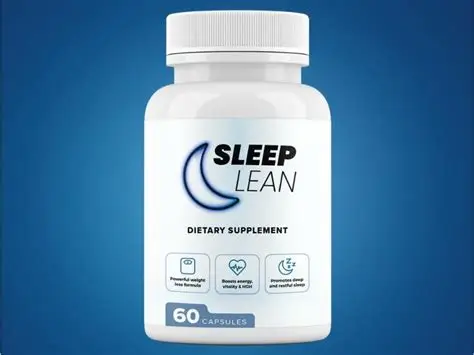
A lot of people searching for a “sleep lean supplement” are chasing the same appealing idea: take something at night, sleep better, and wake up leaner. It sounds almost too convenient, and that’s exactly why it deserves a careful look.
Sleep Lean (also written SleepLean) is one of several nighttime supplements marketed this way. In this guide I’ll cover what the product claims to be, what the science actually says about sleep and body weight, which claims to treat with caution, who should avoid this kind of formula, and what I’d consider if your real priority is simply better sleep.
What Is Sleep Lean?
Sleep Lean is a capsule-form dietary supplement marketed as a dual-action nighttime formula. Promotional pages describe it as a product that aims to deepen restorative N-REM sleep and also support fat loss. Others describe it as a supplement designed to regulate the body’s natural sleep cycle while supporting long-term weight management.
The pitch usually follows the same logic:
- Poor sleep raises stress hormones and cravings.
- A formula that calms the nervous system and improves sleep should lower cortisol and nighttime hunger.
- Better sleep plus “metabolic support” ingredients should make weight loss easier.
There’s a real kernel of truth in that chain, which I’ll explain below. But there’s also a lot of marketing stretching it further than the evidence goes.
A note on sources: When I looked into Sleep Lean, nearly all of the “reviews” I found were promotional pages, forum posts, or affiliate-style articles, not independent testing. Several contained glowing numbers and attributions I couldn’t verify. For example, one page claims that “2025 research from Harvard” shows supplements like this can produce 5 to 10 pounds of weight loss in 30 days from sleep optimization alone, and cites a Trustpilot score based on thousands of reviews. I could not find a real study backing that claim, and you should treat statements like it with serious skepticism.
What’s Reportedly in Sleep Lean?
Ingredient lists vary between promotional pages, and I couldn’t confirm exact doses from an independent source, which is itself worth noting. Based on what the marketing pages describe, the formula centers on sleep-support ingredients, including:
- Melatonin, described on promo pages as the body’s natural sleep hormone.
- L-theanine and GABA-style calming support, which one page links to deeper sleep and cortisol control.
- Valerian root and chamomile, which the same page describes as traditional sleep aids.
- Adaptogens and “metabolic” ingredients of various kinds, with some promotional pages describing an eight-ingredient blend.
Some pages also claim there are no proprietary blends and full dose transparency, but because listings differ so much from page to page, the only reliable source is the supplement facts panel on the bottle or the official product page. If you can’t find clear per-ingredient doses before buying, treat that as a red flag.
Can a Supplement Really Help You “Burn Fat While You Sleep”?
This is the heart of the question, so let’s be straightforward.
What the research does support
There is solid evidence that sleep and body weight are connected:
- People who regularly sleep too little tend to have higher appetite and stronger cravings, partly due to changes in the hunger hormones ghrelin and leptin.
- Short sleep is associated with higher stress hormone levels, including cortisol.
- Tired people tend to make less healthy food choices, snack more at night, and move less during the day.
- Poor sleep is linked with worse insulin sensitivity and metabolic health over time.
In other words, fixing your sleep can make weight management easier. That’s a legitimate and well-supported idea.
What the research does not support
The leap from “better sleep helps weight control” to “this capsule melts fat overnight” is a much bigger one:
- No over-the-counter supplement has been shown to reliably cause meaningful fat loss while you sleep.
- Claims of specific pounds lost in 30 days from sleep supplements alone aren’t backed by credible independent trials.
- Terms like “nighttime fat-burning furnace” and “lipolysis while you rest” are marketing language, not clinical findings.
- Even if a product improves your sleep, the weight effect is typically indirect and modest, and it depends on your diet, activity, and overall habits.
So the honest framing is this: a good sleep supplement may help you sleep better, and better sleep may make your weight goals more achievable. It’s not a weight-loss drug.
Claimed Benefits of Sleep Lean (and How Much Weight to Give Them)
Here’s how I’d sort the commonly advertised benefits.
| Claimed benefit | Plausible? | My take |
|---|---|---|
| Helps you fall asleep and relax | Yes | Ingredients like melatonin, L-theanine and chamomile have some support for this |
| Supports deeper, more restful sleep | Plausible | Varies by person; evidence for most ingredients is modest |
| Reduces nighttime stress and cortisol | Somewhat | Calming ingredients may help, but effects are usually gentle |
| Curbs late-night cravings | Indirectly | Better sleep can reduce cravings, but the supplement isn’t an appetite suppressant |
| “Burns fat while you sleep” | Weak | Not supported by solid evidence |
| Specific weight-loss numbers (such as 5 to 10 lbs in a month) | Unreliable | Treat as marketing, not science |
| “Zero morning grogginess” | Individual | Depends heavily on the melatonin dose and your sensitivity |
Pros and Cons of Sleep Lean
Potential positives
- Combines several sleep-support ingredients rather than relying on one
- Marketed as stimulant-free, which makes sense for a nighttime product
- Capsule format is simple and easy to take
- Some sellers advertise a long refund period, with one promotional page citing a 90-day guarantee (verify this directly on the official checkout page, because terms differ by seller)
Concerns to weigh
- Most available “reviews” are promotional rather than independent
- The weight-loss claims go further than the evidence
- Ingredient doses can be hard to verify across different sources
- Many third-party pages and clone sites mean a real risk of buying from the wrong place
- Some listed ingredients (valerian, certain adaptogens) don’t suit everyone
- Anyone on medication needs to be careful about interactions, as with most multi-herb supplements
Who Should Be Careful With a Product Like Sleep Lean?
Multi-ingredient sleep-and-metabolism formulas aren’t appropriate for everyone. Talk to a doctor or pharmacist first if you:
- Are pregnant or nursing
- Are under 18
- Take antidepressants, sedatives, blood thinners, diabetes medication, or blood pressure medication
- Have diabetes or blood sugar problems (some promotional material mentions blood-sugar support, which matters if you use glucose-lowering drugs)
- Have thyroid, liver, or autoimmune conditions
- Are using sleep aids already, since stacking sedating ingredients can cause excessive drowsiness
- Suspect sleep apnea, restless legs, or another medical sleep disorder
- Have unexplained weight gain or loss, which is worth a medical evaluation rather than a supplement
One of the promotional pages itself advises consulting a physician if you take sleep aids, antidepressants, or diabetes drugs. That’s good advice, and it applies broadly.
How to Avoid Fake or Overpriced Versions
Because Sleep Lean is heavily marketed by affiliates and resellers, there’s a risk of counterfeit or lookalike sites. A few precautions:
- Buy only from the official product website, not from random marketplace sellers or ad-driven landing pages.
- Check the refund policy in writing before paying.
- Screenshot the order terms, including any subscription or auto-ship conditions.
- Be wary of countdown timers, “only 3 bottles left” banners, and celebrity endorsements, which are common on supplement funnels.
- Verify the supplement facts panel matches what’s advertised, and check for third-party testing or GMP certification.
If Your Real Goal Is Better Sleep, Start There
Here’s the important reframe. If your main problem is that you sleep poorly, then a sleep-first supplement is a better fit than a product that tries to do two jobs. A formula built purely around good sleep can still help your weight goals indirectly, through better appetite regulation and lower stress, without promising anything unrealistic.
That’s the lens I used when I recommended Yu Sleep in my full Yu Sleep review. It’s a liquid sublingual formula that combines GABA, 5-HTP, L-theanine, magnesium glycinate, tart cherry extract, vitamins B6 and B2, and a low-dose melatonin. It’s built around calming the nervous system and supporting your natural sleep chemistry, and it doesn’t pretend to be a fat burner.
What I like about the sleep-first approach:
- It makes honest claims. The goal is better sleep, not “melt fat overnight.”
- Low-dose melatonin. That generally means less risk of the next-day fog that bigger doses can cause.
- Calming and mineral support. Magnesium, L-theanine, and GABA address the stress and tension side of poor sleep.
- Sublingual delivery. Designed to absorb faster than a capsule, which matters for ingredients like GABA.
- A 60-day money-back guarantee. That’s long enough to run a fair test.
Honest limitations: Yu Sleep won’t suppress appetite or cause weight loss, it takes a couple of weeks of consistency to judge, it contains 5-HTP (which can interact with antidepressants), and it doesn’t undo the effect of late caffeine or alcohol. If you’re on medication, check with your doctor first.
👉 Check Yu Sleep’s current price and 60-day guarantee on the official website
Sleep Lean vs Yu Sleep: Quick Comparison
| Sleep Lean | Yu Sleep | |
|---|---|---|
| Main positioning | Sleep plus weight management | Sleep quality and relaxation |
| Format | Capsules | Liquid drops, taken under the tongue |
| Melatonin | Included (dose varies by source) | Low dose, roughly 2.3 mg |
| Calming ingredients | L-theanine, GABA-style support, herbs | L-theanine, GABA, magnesium glycinate |
| Weight-loss claims | Prominent, and often overstated | None, and that’s a plus |
| Independent evidence | Mostly promotional reviews | Mostly user feedback; no miracle claims |
| Refund window | Varies by seller (verify) | 60 days |
| Best for | Someone who wants a combined pitch | Someone whose main problem is sleep |
How to Use Sleep Support to Actually Help Your Weight
If weight is your goal and sleep is part of the problem, here’s what genuinely works, with or without a supplement.
1. Protect your sleep window. Aim for a consistent bedtime and wake time with 7 to 9 hours available for sleep. This is probably the single biggest lever.
2. Stop eating a few hours before bed. Late heavy meals can disrupt sleep and add calories you don’t need.
3. Cut caffeine earlier. Caffeine’s effects can linger for hours. Many people sleep better with a cutoff by early afternoon.
4. Limit alcohol. It can make you drowsy, but it typically fragments sleep and adds empty calories.
5. Get morning light and daytime movement. Both help set your body clock and support better sleep depth.
6. Prioritize protein and fiber. They help keep you full, which makes evening cravings easier to manage.
7. Manage stress deliberately. A short wind-down, journaling, stretching, or breathing practice can reduce the “wired but tired” feeling that drives both poor sleep and nighttime snacking.
8. Track simple markers. Sleep time, how rested you feel, evening hunger, and weekly weight trends will tell you more than any single night.
Done consistently, these habits can often do more for both sleep and weight than any capsule.
Frequently Asked Questions
What is Sleep Lean?
Sleep Lean is a capsule supplement marketed as a nighttime formula to support sleep and weight management. Most of what’s published about it comes from promotional sources, so verify details on the official product page.
Does Sleep Lean really burn fat while you sleep?
There’s no strong evidence that any over-the-counter supplement burns meaningful fat during sleep. Better sleep may support weight control indirectly by improving appetite regulation and reducing stress, but the effect is usually modest.
Is Sleep Lean safe?
Many people tolerate sleep-support ingredients well, but safety depends on the exact formula, your health, and any medications you take. Always check the label and speak to a doctor if you have a medical condition or take prescription drugs.
Does Sleep Lean contain melatonin?
Promotional pages say it does, but doses aren’t consistently stated across sources. Check the supplement facts panel to confirm the amount before buying.
Will it make me groggy?
Grogginess is more likely with high melatonin doses or sedating herbs. If you’re sensitive, consider a lower-dose formula and take it at the recommended time before bed.
How long does it take to work?
Sleep supplements often work gradually. Some people notice calmer evenings within days, but a fair trial usually means two to four weeks of consistent use alongside good sleep habits.
Can I take Sleep Lean with other sleep aids?
Combining sedating products can cause excessive drowsiness. Don’t stack sleep aids, and talk to a healthcare provider if you want to combine supplements with medication.
Where should I buy a sleep supplement?
Buy from the official manufacturer website or an authorized seller, and read the refund terms before ordering. Be cautious of look-alike sites and aggressive countdown-timer sales pages.
What’s a good alternative if I mainly want better sleep?
A sleep-first formula with a modest melatonin dose and calming ingredients, such as Yu Sleep, is a reasonable option, as are simple single-ingredient choices like magnesium glycinate or L-theanine for some people.
Should I see a doctor instead of buying a supplement?
If you have persistent insomnia, loud snoring, gasping at night, unexplained weight changes, or symptoms of a medical condition, yes. Supplements aren’t a substitute for diagnosis or treatment.
The Bottom Line
The idea behind Sleep Lean is rooted in something real: sleep and weight are connected, and improving one can help the other. But “sleep better” and “burn fat overnight” are very different promises, and the evidence only really supports the first. Be wary of dramatic weight-loss numbers, unverifiable research citations, and urgency-driven sales pages.
If your main goal is to sleep better, I’d start with a sleep-first formula, build solid habits around it, and let the weight benefits follow naturally. Yu Sleep is the one I’d try first, and you can read the full details, including pricing and complaints, in my honest Yu Sleep review. For more options side by side, my roundup of the 10 best sleep supplements for 2026 is a good next step.
👉 Try Yu Sleep risk-free for 60 days and see how your sleep responds
Medical disclaimer: This article is for informational purposes only and is not medical advice. Dietary supplements are not intended to diagnose, treat, cure, or prevent any disease, and are not a substitute for a healthy diet, exercise, or medical care. Individual results vary. Consult a qualified healthcare provider before starting any supplement, especially if you are pregnant, nursing, under 18, taking medication, or managing a medical condition.