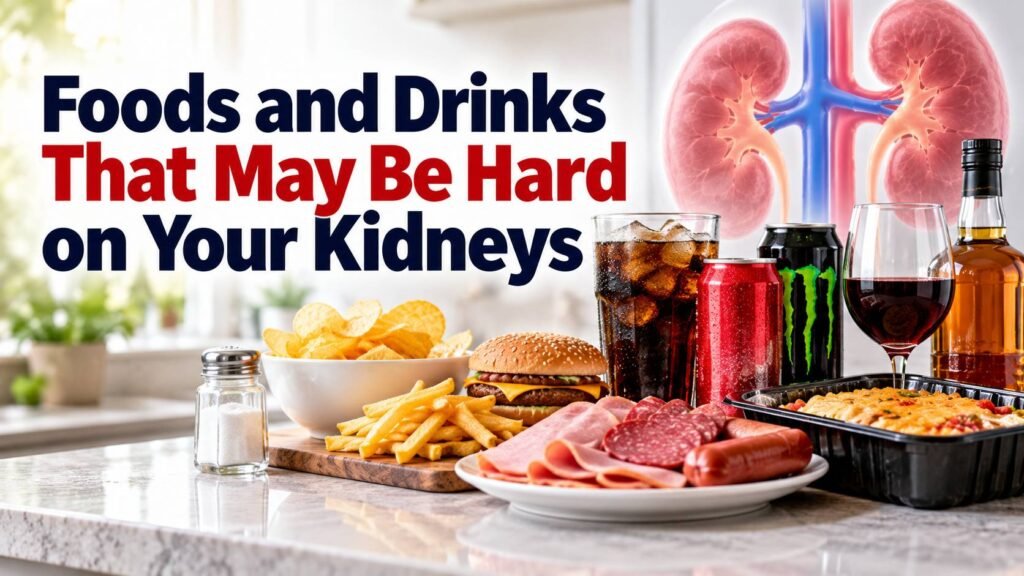
Your diet can play an important role in supporting kidney health. Choosing more whole, minimally processed foods and keeping sodium, added sugar, and highly processed foods under control can support overall health and may be especially important for people who have chronic kidney disease (CKD).
However, there is no single “kidney diet” that works for everyone. If you already have CKD, the foods that are appropriate for you can depend on your kidney function, blood test results, medications, blood pressure, diabetes status, and whether you are receiving dialysis or have had a transplant.
That means a food that is generally nutritious may still need to be limited in certain stages of kidney disease. Potassium, phosphorus, protein, sodium, and fluids may all need individual consideration.
Quick Answer: What Foods Support Kidney Health?
Foods that can fit into a kidney-supportive eating pattern include fresh fruits and vegetables, whole grains, healthy sources of protein, unsalted nuts or seeds when appropriate, and minimally processed foods. Lower-sodium choices are particularly useful because excessive sodium can contribute to fluid retention and high blood pressure.
For people with CKD, however, the best food choices are more individualized. Some people may need to limit potassium, phosphorus, protein, or fluids depending on their condition and laboratory results.
The goal is not simply to find a list of “good” and “bad” foods. It is to build an eating pattern that supports your overall health while matching what your kidneys can safely handle.
Why Food Matters for Kidney Health
Your kidneys perform several important jobs, including filtering waste from the blood and helping regulate fluid and mineral balance.
When kidney function declines, the body may have more difficulty managing substances such as sodium, potassium, phosphorus, and fluids. Protein intake may also need to be adjusted depending on the stage of kidney disease and whether someone is receiving dialysis.
This is why nutrition becomes increasingly important when someone develops CKD.
Eating well can also help address factors associated with kidney and cardiovascular health, including high blood pressure, excess sodium intake, poor-quality diets, and excessive added sugar.
Foods to Consider for a Kidney-Supportive Diet
Rather than focusing on one “superfood,” it is generally more useful to build meals around a variety of minimally processed foods.
1. Fresh Fruits
Fruit can be part of a healthy eating pattern because it provides fiber, vitamins, minerals, and other beneficial plant compounds.
Depending on your kidney function and potassium level, options that may fit include:
- Apples
- Blueberries
- Strawberries
- Grapes
- Pineapple
- Peaches
- Pears
- Cranberries
Fresh fruit is generally preferable to fruit products loaded with added sugar.
But if you have CKD and have been told to control potassium, do not assume that every fruit is appropriate simply because it is nutritious. Your potassium needs should be based on your individual medical situation.
2. Vegetables
Vegetables can provide fiber and a wide range of nutrients while helping make meals more varied and satisfying.
Depending on your individual dietary requirements, vegetables such as these may be useful choices:
- Cauliflower
- Cabbage
- Bell peppers
- Onions
- Green beans
- Broccoli
- Lettuce
- Cucumber
Preparation matters. Vegetables covered in large amounts of salt, processed sauces, or heavily processed ingredients may not provide the same advantages as simply prepared vegetables.
If you have been instructed to restrict potassium, your dietitian may recommend specific vegetables and preparation methods based on your blood potassium level.
3. Healthy Protein Sources
Protein is essential for maintaining muscles and supporting normal body functions. However, protein needs can change when someone has CKD.
Eating excessive amounts of protein is not automatically better, particularly for people with impaired kidney function. On the other hand, severely restricting protein without professional guidance can create nutritional problems.
Potential protein choices include:
- Fish
- Eggs
- Chicken or turkey
- Lean cuts of meat
- Plant-based protein sources when appropriate
The appropriate amount depends on your kidney function, nutritional needs, and treatment plan.
Whole Grains and Other High-Fiber Foods
Whole grains can provide fiber and other nutrients and may be part of a balanced diet for many people.
Examples include oats, brown rice, whole-grain breads, and other minimally processed grain foods.
However, people with CKD should not automatically assume that every whole-grain product is appropriate in unlimited amounts. Some whole foods contain significant amounts of phosphorus or potassium, and individual restrictions can vary.
If you have CKD, the quality of the food matters, but so does how that food fits into your overall nutritional requirements.
Why Sodium Matters for Kidney Health
Sodium is one of the most important nutrients to pay attention to when building a kidney-friendly eating pattern.
Too much sodium can contribute to increased blood pressure and fluid retention. Because high blood pressure can also damage the kidneys, controlling sodium intake can be an important part of protecting kidney health.
A large amount of dietary sodium comes from processed and packaged foods rather than the salt shaker alone.
Foods that can contain substantial amounts of sodium include:
- Processed meats
- Canned soups
- Instant noodles
- Packaged sauces
- Salty snacks
- Fast food
- Highly processed frozen meals
- Some packaged breads and prepared foods
One practical approach is to eat more foods prepared at home from basic ingredients and compare nutrition labels when purchasing packaged products.
You can also use herbs, spices, garlic, onion, lemon, vinegar, and other flavorings instead of relying heavily on salt.
What About Potassium?
Potassium is an essential mineral, but kidney disease can interfere with the body’s ability to maintain the right potassium level.
That does not mean everyone with CKD needs to follow a low-potassium diet.
Some people with kidney disease can eat a wide variety of potassium-containing foods, while others may need to limit them. Medications and other health conditions can also affect potassium levels.
This is why blanket lists telling every person with CKD to avoid specific fruits and vegetables can be misleading.
If your healthcare professional has told you that your potassium is high or that you need to follow a potassium-restricted diet, follow the individualized guidance you have been given.
What About Phosphorus?
Phosphorus is another nutrient that can become important as kidney function declines.
Healthy kidneys normally help regulate phosphorus levels. With reduced kidney function, phosphorus can build up in the blood in some people.
Depending on your stage of CKD and blood tests, you may be advised to reduce certain phosphorus-rich foods or foods containing phosphorus additives.
Processed foods can be particularly relevant because phosphorus-containing additives may appear in many packaged products.
Checking ingredient labels can therefore be useful when you have been advised to control phosphorus.
Foods You May Need to Limit
There is no universal forbidden-food list for kidney health, but some categories deserve attention.
Highly Processed Foods
Many processed foods contain significant amounts of sodium, added sugar, or phosphorus additives.
Reducing your reliance on heavily processed foods can make it easier to control these nutrients.
High-Sodium Foods
Salty packaged foods, processed meats, fast food, and many ready-made meals can contribute substantial sodium.
Choosing lower-sodium alternatives can help you manage overall sodium intake.
Foods High in Added Sugar
Excessive added sugar is not beneficial for overall health and can make it more difficult to maintain a healthy eating pattern.
Instead of regularly consuming sugary drinks, sweets, and heavily sweetened packaged foods, prioritize water and foods with little or no added sugar when appropriate for your medical needs.
Large Amounts of Protein
More protein is not necessarily better for someone with CKD.
Some people with kidney disease may be advised to moderate protein intake, while people receiving dialysis may have different protein requirements.
Do not make a major change to your protein intake without discussing it with your healthcare professional or renal dietitian.
How to Build a Kidney-Friendly Meal
A simple way to begin is to think about the overall composition of the meal rather than obsessing over individual “kidney foods.”
A meal might include:
- A suitable portion of protein
- A serving of vegetables
- A suitable grain or carbohydrate source
- A fruit that fits your individual potassium requirements
- A modest amount of healthy fat
For someone without CKD, this general approach may provide a useful foundation for healthy eating.
For someone with CKD, the same meal may need to be modified according to potassium, phosphorus, sodium, protein, fluid, and calorie requirements.
Simple Food Swaps That Can Help
You do not necessarily need to completely change your diet overnight.
Small substitutions can make a meaningful difference to the overall quality of your diet.
- Choose fresh or minimally processed foods instead of highly processed meals.
- Use herbs and spices instead of adding large amounts of salt.
- Choose water instead of sugar-sweetened drinks when appropriate.
- Compare sodium levels on packaged-food labels.
- Choose leaner protein sources more often.
- Eat more vegetables and fruit when they fit your individual kidney requirements.
- Limit heavily processed meats and salty snacks.
- Cook more meals at home when possible so you have greater control over ingredients.
What If You Already Have Chronic Kidney Disease?
If you have been diagnosed with CKD, this is where individualized advice becomes especially important.
CKD does not affect everyone in exactly the same way. Your dietary needs can change as kidney function changes.
Your healthcare team may monitor measurements such as kidney function, potassium, phosphorus, blood pressure, and other factors to determine what dietary adjustments are appropriate.
A renal dietitian can be particularly helpful because they can translate your laboratory results and treatment plan into practical meals and food choices.
If you are researching additional educational approaches to supporting kidney health, you can also read our Chronic Kidney Disease Solution review for an independent discussion of the program and what it claims to offer.
However, educational programs and dietary approaches should not be treated as replacements for medical care, prescribed medication, kidney monitoring, or advice from your healthcare team.
There Is No Single Kidney Diet
One of the most important things to understand is that “kidney-friendly” does not mean exactly the same thing for everyone.
A person with early-stage CKD may have very different dietary requirements from someone with advanced CKD.
Someone receiving dialysis may also have different protein and nutrient requirements from someone who is not on dialysis.
Your diet may also need to account for diabetes, high blood pressure, medications, weight, appetite, and other health considerations.
That is why generic online food lists should be treated as starting points rather than personalized medical instructions.
The Most Important Things to Remember
If your goal is to support kidney health through food, focus on the overall pattern rather than searching for one miracle ingredient.
- Eat a varied diet built around minimally processed foods.
- Pay attention to sodium, particularly if you have high blood pressure or CKD.
- Choose healthy sources of protein in amounts appropriate for your needs.
- Include fruits and vegetables that fit your individual dietary requirements.
- Limit heavily processed foods and foods high in added sugar.
- If you have CKD, ask whether you need to monitor potassium, phosphorus, protein, or fluids.
- Use your blood tests and medical guidance—not internet food lists—to determine whether specific foods need to be restricted.
Frequently Asked Questions
What is the best food for kidney health?
There is no single best food for your kidneys. A balanced eating pattern based on minimally processed foods, appropriate sodium intake, and suitable amounts of protein, fruits, vegetables, and whole foods is generally more useful than relying on one particular food.
Are fruits good for your kidneys?
Fruit can be part of a healthy diet, but people with CKD may need to consider potassium levels. Whether a particular fruit is appropriate depends on your kidney function, blood tests, medications, and dietary plan.
Are vegetables good for kidney health?
Vegetables can provide fiber and important nutrients and can form an important part of a healthy eating pattern. However, people with CKD who need to control potassium may require individualized guidance about which vegetables and portions are appropriate.
Is protein bad for the kidneys?
Protein is necessary for health, but people with CKD may need to manage how much protein they consume. The appropriate amount depends on kidney function, nutritional status, and whether the person is receiving dialysis.
Should people with CKD avoid potassium completely?
No. Potassium is an essential nutrient, and not everyone with CKD needs to restrict it. Potassium requirements should be based on your blood levels, kidney function, medications, and healthcare professional’s recommendations.
Why should people with kidney disease reduce sodium?
Reducing excessive sodium intake can help with blood pressure and fluid management. This can be particularly important for people with CKD because high blood pressure can contribute to kidney damage.
Can diet reverse chronic kidney disease?
Diet can play an important role in managing CKD and reducing complications, but you should be cautious about claims that a particular food, diet, supplement, or program can reverse kidney disease. CKD has many causes and stages, and treatment needs to be individualized.
Final Takeaway
The best foods for kidney health are not necessarily exotic ingredients or expensive “kidney detox” products. In many cases, the foundation is much simpler: eat more minimally processed foods, keep sodium and added sugar under control, choose appropriate sources and amounts of protein, and build meals around nutritious foods that fit your individual needs.
If you have chronic kidney disease, however, do not assume that a general healthy-food list automatically applies to you. Potassium, phosphorus, protein, sodium, and fluid requirements can change depending on your kidney function and treatment.
The most useful approach is to combine healthy eating principles with individualized guidance from your healthcare team. Food can be an important part of kidney care, but it works best as part of a broader plan rather than as a substitute for appropriate medical treatment.
Medical Disclaimer: This article is for educational and informational purposes only. It is not medical advice and is not intended to diagnose, treat, cure, or prevent any disease. If you have chronic kidney disease or another medical condition, speak with your doctor or a qualified renal dietitian before making significant changes to your diet.