If you’ve been told that your cholesterol is too high, changing what you eat can be one of the most practical places to start.
But there’s a common mistake people make when they hear the words “low-cholesterol diet.” They assume they need to avoid every food that contains cholesterol.
That’s not really how it works.
Your body naturally produces cholesterol, and the cholesterol you eat isn’t the only thing that determines your blood cholesterol levels. The overall quality of your diet matters, especially how much saturated fat, trans fat and fiber you’re consuming.
In other words, rather than obsessing over one number on a food label, it makes more sense to build meals around foods that support healthy cholesterol levels and cardiovascular health.
That means eating more vegetables, fruits, beans, whole grains, nuts, seeds, fish and other sources of healthy fats while cutting back on heavily processed foods and foods high in saturated fat.
There is also growing interest in oxidized cholesterol and oxidized LDL, which is one reason some people are looking beyond traditional “eat less fat” advice. If you want to understand this approach in more detail, you can read our Oxidized Cholesterol Strategy Review.
For now, though, let’s look at 10 foods that can make a healthy cholesterol-conscious diet much easier.
1. Oatmeal
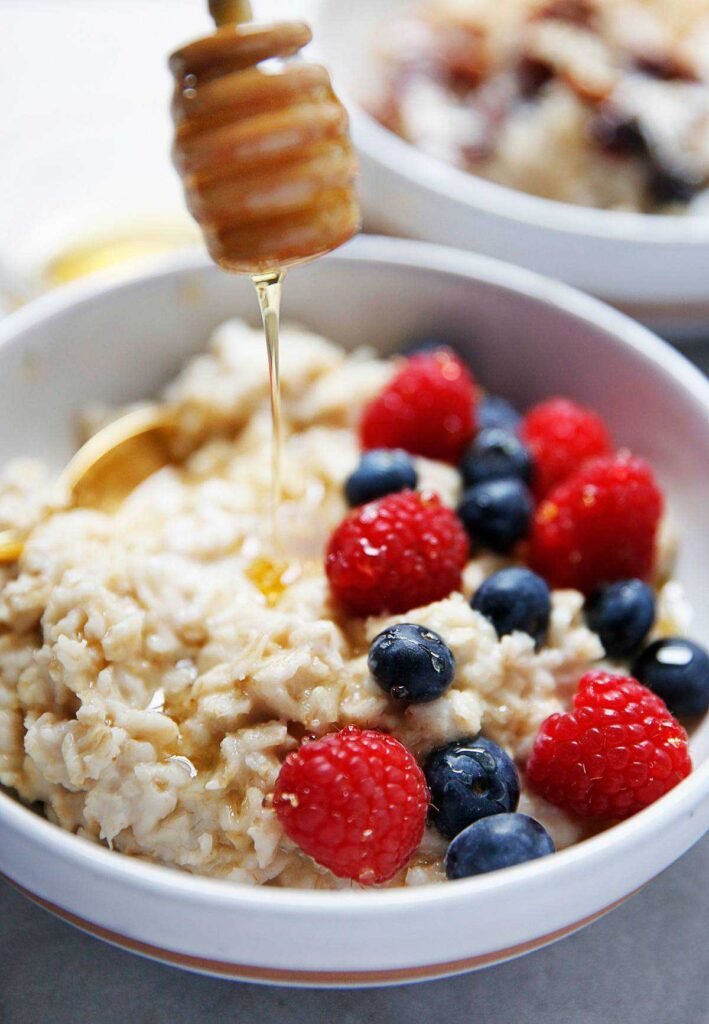
Oatmeal is one of the easiest foods to add to your diet if you’re trying to improve your cholesterol numbers.
The biggest reason is soluble fiber, particularly a type of fiber called beta-glucan.
Soluble fiber can help reduce the absorption of cholesterol in your digestive system and may help lower LDL cholesterol when consumed regularly as part of a healthy diet.
And honestly, oatmeal doesn’t have to be boring.
You can make it with:
- Blueberries
- Strawberries
- Banana
- Apples
- Chia seeds
- Ground flaxseed
- Walnuts
- Unsweetened peanut butter
Try to avoid loading your bowl with large amounts of sugar, butter or cream. That can turn an otherwise healthy breakfast into something much less heart-friendly.
Rolled oats and steel-cut oats are particularly good choices.
If you’re used to starting the day with pastries, processed breakfast foods or sugary cereals, switching to oatmeal a few mornings each week can be a surprisingly simple improvement.
2. Beans
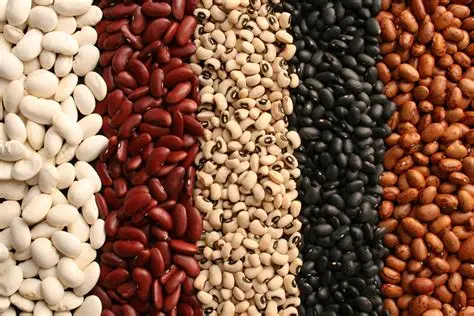
Beans are one of the best foods to have around when you’re trying to eat for better heart health.
Black beans, kidney beans, pinto beans, navy beans and other varieties provide a combination of fiber and plant-based protein.
They are also naturally low in saturated fat.
That makes them useful not just because of what they contain, but because of what they can replace.
For example, replacing a meal built around processed meat with beans and vegetables can reduce your intake of saturated fat while increasing fiber at the same time.
You can add beans to:
- Soups
- Stews
- Salads
- Rice dishes
- Wraps
- Vegetable bowls
- Homemade burgers
They’re also filling, which can make it easier to avoid constant snacking on highly processed foods.
And you don’t have to become vegetarian to benefit.
Simply making a few meals each week centered around beans instead of fatty meat can be a worthwhile change.
3. Lentils
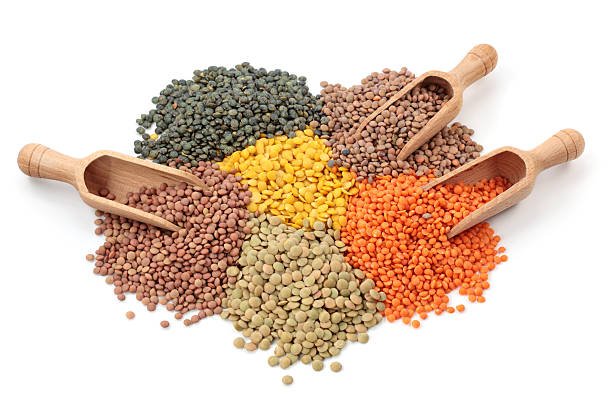
Lentils are another excellent source of plant protein and dietary fiber.
They’re available in several varieties, including brown, green, red and black lentils, and they’re surprisingly versatile.
You can use them in soups, curries, stews, salads or as a side dish.
Lentils are especially useful if you’re trying to reduce the amount of red or processed meat in your diet.
Instead of having meat as the main component of every meal, you can occasionally make lentils the star of the plate.
That means more fiber and plant protein while reducing your intake of saturated fat.
They’re also inexpensive and easy to store, which makes them a practical choice for people trying to improve their diet without spending a fortune.
4. Fatty Fish
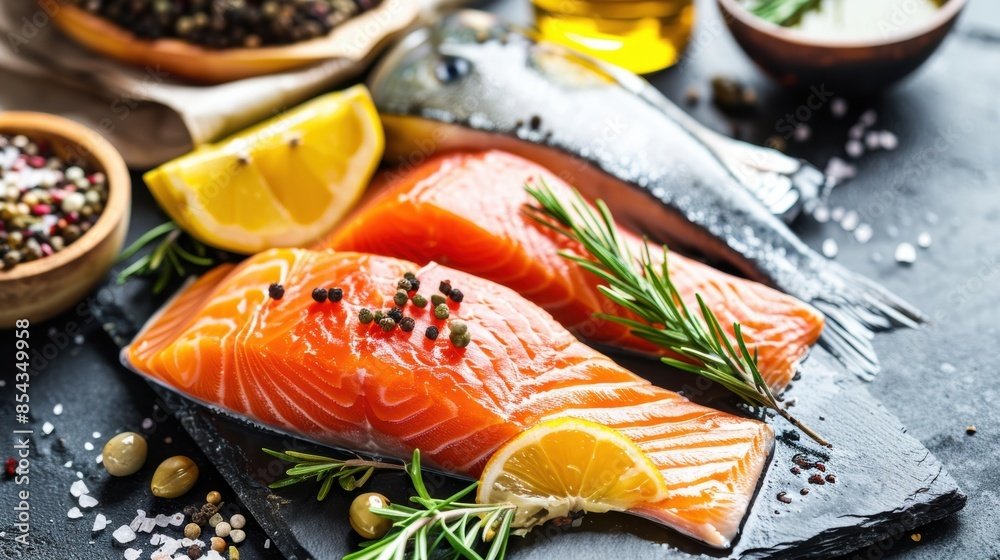
Not all dietary fat should be treated as the enemy.
Fatty fish such as salmon, sardines, mackerel, trout and herring contain beneficial unsaturated fats, including omega-3 fatty acids.
These fish can be a useful replacement for fatty cuts of beef, processed meat and other foods that tend to be much higher in saturated fat.
How you prepare them matters.
Baking, grilling, steaming or roasting is generally a better everyday choice than deep-frying.
For example, you could have grilled fish with vegetables and brown rice for dinner instead of a meal built around fried meat and refined carbohydrates.
If you don’t eat fish, you can still obtain healthy fats from plant foods such as walnuts, chia seeds, flaxseed and avocados.
The goal isn’t simply to eat less fat.
It’s to choose better sources of fat.
5. Avocados
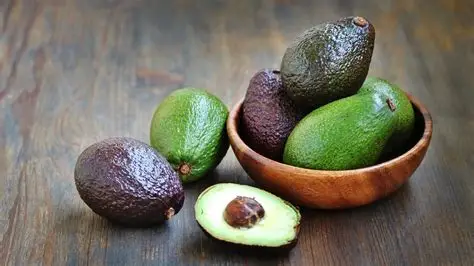
Avocados sometimes confuse people because they’re relatively high in fat.
But the type of fat matters.
Avocados are rich in monounsaturated fat, which can fit very well into a heart-healthy eating pattern.
They also provide fiber and several vitamins and minerals.
You can use avocado in plenty of ways without making your meals complicated.
Try it on whole-grain toast, mixed into salads, added to bean bowls or mashed into homemade guacamole.
One thing to remember, though, is that healthy foods still contain calories.
You don’t need to eat an entire avocado at every meal.
A reasonable portion can provide plenty of nutritional value while keeping your overall calorie intake balanced.
6. Almonds and Other Nuts
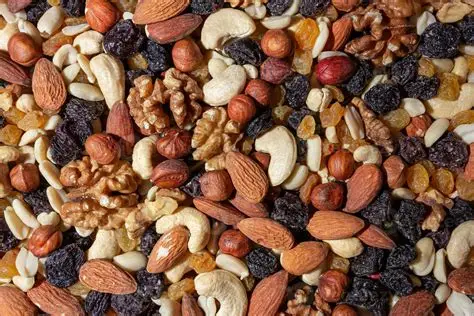
Nuts are another food worth including regularly.
Almonds, walnuts, pistachios, pecans and other nuts provide healthy unsaturated fats along with protein, fiber and other nutrients.
Walnuts are especially interesting because they contain plant-based omega-3 fatty acids.
One of the easiest ways to use nuts is as a snack.
Instead of cookies, pastries or highly processed snack foods, have a small handful of unsalted nuts with a piece of fruit.
You can also sprinkle nuts over oatmeal, salads or plain yogurt.
Just watch the portion size.
Nuts are nutrient-dense, but they’re also calorie-dense, so a small handful is usually plenty.
And if you’re buying packaged nuts, choose unsalted varieties whenever possible.
7. Berries and Other Whole Fruits
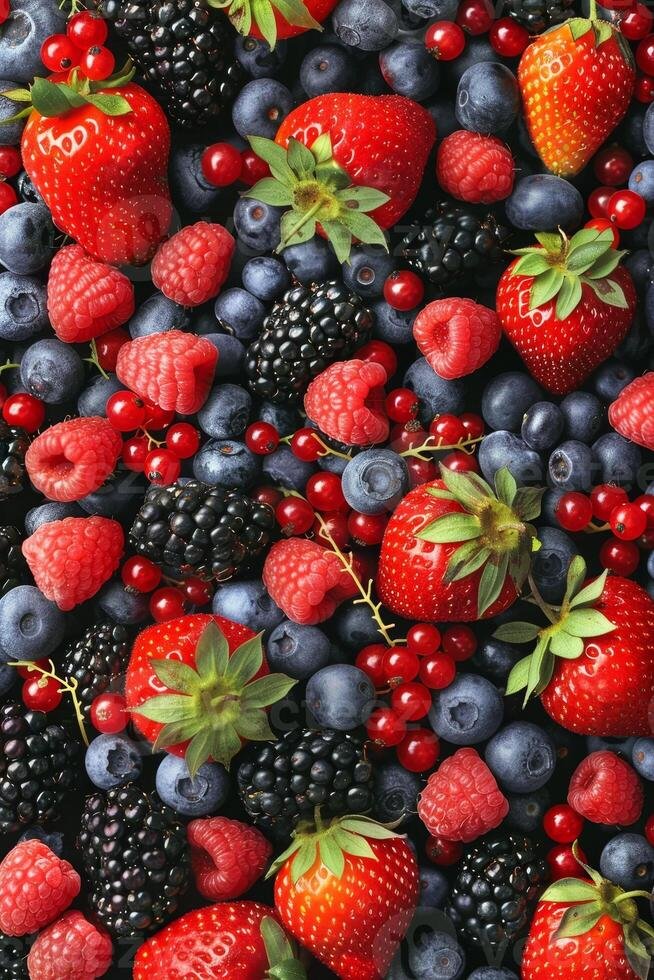
Whole fruits can be an excellent addition to a cholesterol-conscious diet.
Berries such as strawberries, blueberries, raspberries and blackberries provide fiber and a variety of plant compounds while being naturally low in saturated fat.
Other fruits such as apples, pears, oranges and bananas can also fit easily into a healthy diet.
One useful habit is choosing whole fruit instead of fruit juice most of the time.
When you eat a whole apple or orange, you get the fiber and generally feel fuller than you would after drinking a glass of juice.
Fruit also makes an easy replacement for processed desserts and sugary snacks.
Try adding berries to oatmeal, having an apple with nuts or keeping whole fruit available when you want something sweet.
8. Leafy Greens and Other Vegetables
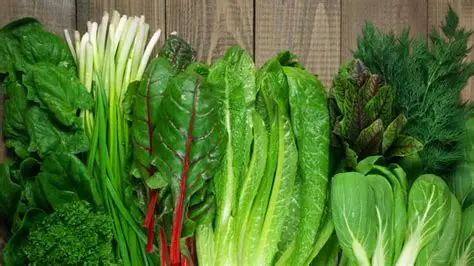
If you’re trying to improve your cardiovascular health, vegetables should probably make a regular appearance on your plate.
Leafy greens such as spinach, kale and collard greens provide fiber, vitamins, minerals and numerous plant compounds.
But don’t limit yourself to leafy greens.
Broccoli, cabbage, carrots, tomatoes, okra, bell peppers, cauliflower, green beans and eggplant are all useful additions.
The more variety you can get, the better.
One simple approach is to make vegetables take up a larger portion of your plate rather than treating them as a tiny side dish.
And remember that preparation matters.
A vegetable can be naturally healthy but become much less so when it’s deep-fried or covered in large amounts of butter, cheese or creamy sauce.
Roasting, steaming, grilling and lightly sautéing are generally better everyday methods.
9. Soy Foods
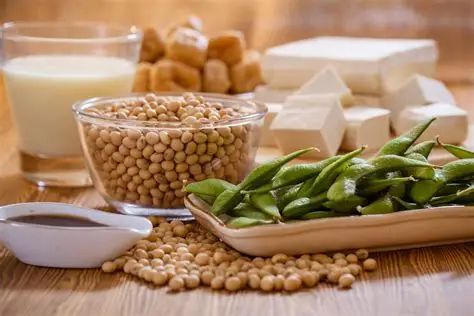
Soy foods can be another useful source of plant protein.
Tofu, tempeh, edamame and unsweetened soy milk can all fit into a heart-conscious eating pattern.
The real advantage isn’t necessarily that soy is some magical cholesterol-lowering food.
It’s that soy foods can replace foods that are higher in saturated fat.
For example, tofu can replace fatty meat in a stir-fry, while edamame can be added to salads and rice bowls.
When choosing packaged soy products, look at the ingredient and nutrition labels.
Some highly processed products can contain considerable amounts of sodium, saturated fat or added ingredients.
Simple foods such as plain tofu and edamame are generally easier choices.
10. Olive Oil and Other Healthy Plant Oils
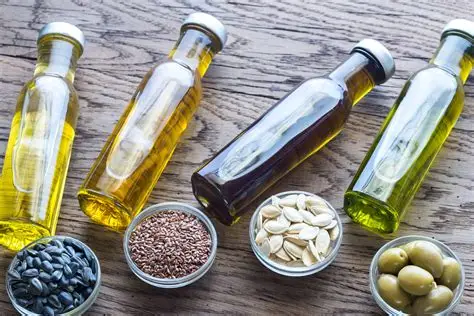
Olive oil deserves a place on this list even though it isn’t technically a “low-fat” food.
Why?
Because the type of fat matters.
Replacing butter, lard and other sources of saturated fat with oils rich in unsaturated fats can help create a healthier overall eating pattern.
Extra-virgin olive oil works particularly well for salad dressings, marinades and lower-heat cooking.
You can also use other liquid plant oils, depending on the dish and your preferences.
The key isn’t to pour huge amounts of oil onto everything.
Think of healthy oils as a replacement for less healthy fats rather than an unlimited health food.
What About Oxidized Cholesterol?
This is where cholesterol discussions can get a little more interesting.
Most people are familiar with LDL and HDL cholesterol.
But researchers also study oxidized LDL, which refers to LDL particles that have undergone chemical changes associated with oxidative processes.
Oxidized LDL has attracted considerable attention because of its potential role in atherosclerosis and arterial plaque formation.
That has led to interest in dietary patterns that don’t just focus on lowering LDL numbers, but also emphasize antioxidant-rich foods, healthier cooking methods and reducing sources of oxidative stress.
This is one of the ideas explored in the Oxidized Cholesterol Strategy Review.
The important thing is not to interpret this as meaning that ordinary LDL cholesterol suddenly doesn’t matter.
It does.
High LDL cholesterol remains an important cardiovascular risk factor.
Rather, oxidized LDL is another area researchers are investigating as part of the much bigger picture of cardiovascular health.
Foods You May Want to Eat Less Often
Adding healthy foods is important, but it’s also useful to look at what you’re eating less of.
If you’re trying to improve your cholesterol, consider limiting foods that are high in saturated fat, particularly when eaten frequently.
These can include:
- Fatty cuts of red meat
- Bacon
- Sausages
- Other processed meats
- Butter
- High-fat dairy products
- Deep-fried foods
- Commercial baked goods
- Some packaged snack foods
- Foods made with large amounts of solid fats
You don’t necessarily need to ban these foods forever.
For most people, a sustainable diet is one where healthier choices are the norm and less healthy foods are occasional.
Don’t Just Focus on Cholesterol in Food
This is perhaps the most important point.
A food can contain dietary cholesterol without necessarily being the biggest problem for your blood cholesterol.
Saturated fat and trans fat can have a significant influence on LDL cholesterol, which is why replacing saturated-fat-heavy foods with foods rich in unsaturated fats can be useful.
This is why a diet containing avocado, nuts, olive oil and fatty fish can still be heart-friendly even though these foods contain fat.
The goal isn’t to eliminate every gram of fat.
It’s to improve the quality of the fats you’re eating.
A Simple Cholesterol-Friendly Meal Plan
You don’t need complicated recipes to start eating better.
For breakfast, try oatmeal with berries, walnuts and a little ground flaxseed.
For lunch, have a large bean and vegetable bowl with brown rice, avocado and leafy greens.
For a snack, choose an apple with a small handful of almonds.
For dinner, try baked or grilled fish with vegetables and a whole grain.
You could also make a lentil stew with plenty of vegetables.
The possibilities are much broader than people sometimes realize.
Lifestyle Matters Too
Diet is important, but cholesterol management shouldn’t stop at food.
Regular physical activity, maintaining a healthy weight, not smoking, getting adequate sleep and managing other cardiovascular risk factors can all contribute to better heart health.
And if your doctor has prescribed cholesterol medication, don’t stop taking it simply because you’ve started eating healthier.
Lifestyle changes and medication aren’t necessarily competing approaches.
For some people, they work best together.
If you have high cholesterol, cardiovascular disease or other risk factors, discuss your individual goals with your healthcare professional.
When Should You Check Your Cholesterol?
You can’t reliably tell whether your cholesterol is high based on how you feel.
Many people with elevated cholesterol don’t have obvious symptoms.
A blood test can provide information about your cholesterol levels, including LDL and HDL cholesterol and triglycerides.
Your doctor can then look at those results alongside factors such as your age, blood pressure, family history, smoking status and other health information.
This gives you a much better picture of your overall cardiovascular risk than focusing on one food or supplement.
Final Thoughts
The best foods for a cholesterol-conscious diet aren’t necessarily foods that contain absolutely no cholesterol.
They’re foods that help you build a healthier overall eating pattern.
Oatmeal, beans, lentils, fatty fish, avocados, nuts, berries, vegetables, soy foods and olive oil are all excellent choices to include more often.
They provide fiber, healthy fats, plant-based nutrients and quality protein while helping you reduce your reliance on foods that are high in saturated fat.
And you don’t need to change everything overnight.
Start with one or two swaps.
Replace a processed-meat meal with beans or lentils. Have oatmeal instead of a sugary breakfast. Snack on fruit and nuts. Add another serving of vegetables to dinner. Use olive oil instead of butter when appropriate.
Over time, those small changes can become your normal way of eating.
If you’re particularly interested in the relationship between diet, oxidized cholesterol and cardiovascular health, you can also read our The Oxidized Cholesterol Strategy Review for a closer look at that approach.
Most importantly, remember that healthy cholesterol levels are only one part of good health. Your overall diet, activity level, sleep, blood pressure, weight, family history and other risk factors all matter.
If you’ve been diagnosed with high cholesterol, work with your healthcare professional to decide what combination of dietary and medical strategies makes sense for you.