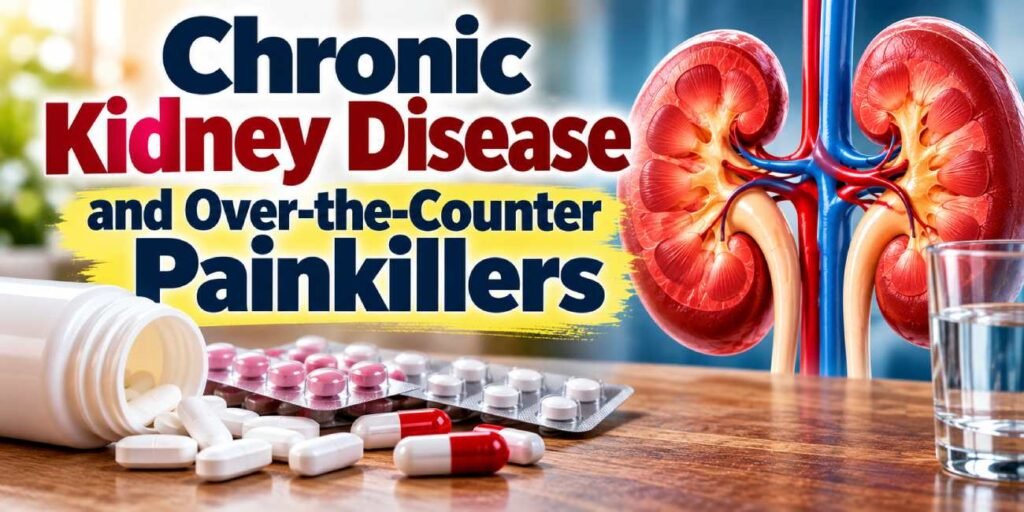
If you live with chronic kidney disease (CKD), a headache, a sore back or an aching knee is never just a small problem. The tablet you reach for in the pharmacy aisle, or buy from a roadside chemist without a second thought, can either be a reasonable choice or a quiet threat to your remaining kidney function.
People with CKD are generally advised to avoid NSAIDs such as ibuprofen, diclofenac, naproxen and mefenamic acid. Paracetamol (acetaminophen) is usually the preferred over-the-counter option, taken within a dose your doctor approves. The details depend on your CKD stage, your other medicines and your overall health, so this guide is a starting point for a conversation with your nephrologist or pharmacist, not a replacement for one.
Table of Contents
- Why painkillers matter so much in CKD
- Quick-reference table: common painkillers and CKD
- NSAIDs: the main group to avoid
- Hidden NSAIDs in everyday products
- Paracetamol (acetaminophen): the usual first choice
- Aspirin: low dose versus pain dose
- Topical products, opioids and herbal remedies
- Managing pain without relying on pills
- Sick-day rules every CKD patient should know
- Warning signs of kidney trouble
- What to ask your doctor or pharmacist
- Frequently asked questions
Why Painkillers Matter So Much in CKD
Healthy kidneys filter roughly a cup of blood every few minutes. To do that, they need steady blood flow. Small blood vessels entering each filtering unit (the glomerulus) are kept open partly by chemical messengers called prostaglandins.
When kidney function is already reduced, the kidneys depend even more heavily on those prostaglandins to keep filtering. Any drug that blocks them can tip a fragile system into trouble.
Painkillers also matter because CKD itself often comes with pain. Diabetes, high blood pressure, gout, arthritis and bone disease are all common in people with kidney problems, so the temptation to self-medicate is high. Many patients also do not realize that “over-the-counter” does not mean “safe for everyone.”
Quick-Reference Table: Common Painkillers and CKD
| Medicine (examples) | Type | General guidance in CKD |
|---|---|---|
| Ibuprofen (Brufen, Advil, Nurofen) | NSAID | Usually avoid, especially at eGFR below 60 |
| Diclofenac (Voltaren, Cataflam) | NSAID | Usually avoid |
| Naproxen (Aleve) | NSAID | Usually avoid |
| Mefenamic acid (Ponstan) | NSAID | Usually avoid |
| Piroxicam, celecoxib, ketorolac | NSAID | Usually avoid; ask a specialist |
| Paracetamol / acetaminophen (Panadol, Tylenol) | Analgesic | Generally preferred; keep within doctor-approved dose |
| Aspirin, pain dose | NSAID | Usually avoid |
| Aspirin, low dose (heart protection) | Antiplatelet | Only as prescribed; do not stop or start on your own |
| Tramadol, codeine | Opioid | Needs dose adjustment and medical supervision |
| Topical diclofenac or ibuprofen gels | Topical NSAID | Lower absorption; ask your doctor first |
NSAIDs: The Main Group to Avoid
NSAIDs (nonsteroidal anti-inflammatory drugs) work by blocking the enzymes that make prostaglandins. That is exactly why they reduce pain and inflammation, and exactly why they can harm the kidneys.
How NSAIDs can hurt the kidneys
- Reduced blood flow. By narrowing the vessel feeding each filter, NSAIDs lower the filtration rate, sometimes sharply.
- Acute kidney injury. A sudden drop in function can occur within days, particularly during dehydration, infection or surgery.
- Faster CKD progression. Regular use over months or years is linked with a quicker decline in eGFR.
- Salt and water retention. This can raise blood pressure, worsen swelling and weaken the effect of blood pressure medicines.
- High potassium. NSAIDs can make the body hold on to potassium, which may affect the heart rhythm.
- Interstitial nephritis. In some people, NSAIDs trigger inflammation inside the kidney tissue itself.
The “triple whammy” combination
One of the most dangerous patterns doctors warn about is combining an NSAID with an ACE inhibitor or ARB (common blood pressure and kidney-protecting medicines, such as lisinopril, losartan or telmisartan) and a diuretic (water tablet). Together, the three can sharply cut kidney blood flow and push someone into acute kidney injury. Many CKD patients take at least two of these three already, which makes a casual ibuprofen tablet far riskier than it sounds.
What guidelines generally say
International kidney guidelines, including those from KDIGO, advise against prolonged NSAID use in people with a GFR below 60, and recommend avoiding NSAIDs altogether when the GFR is below 30. They also advise against NSAIDs for anyone taking lithium or a renin-angiotensin blocker and for anyone at risk of dehydration. Treat these as general principles; your own nephrologist may set stricter or, rarely, more flexible limits based on your situation.
Who is at highest risk
- People with an eGFR below 60 or known protein in the urine
- Older adults
- People with diabetes, heart failure or liver disease
- Anyone on ACE inhibitors, ARBs or diuretics
- Kidney transplant recipients, whose single graft is especially sensitive
- Anyone who is dehydrated, vomiting or has diarrhea
Hidden NSAIDs in Everyday Products
Many patients avoid ibuprofen on purpose and still end up taking an NSAID without realizing it. Read the active-ingredient list on anything you buy for pain, fever, colds or period cramps. Watch out for:
- Cold and flu combinations that include ibuprofen, aspirin or naproxen alongside decongestants.
- Effervescent and powder pain relievers containing aspirin, which also carry a heavy sodium load.
- Menstrual cramp products built on ibuprofen, naproxen or mefenamic acid.
- “PM” or sleep-aid versions of well-known painkillers.
- Migraine formulas that combine aspirin, paracetamol and caffeine.
- Unlabeled or street-sold tablets and powders where the ingredients cannot be verified.
When you cannot identify what a product contains, do not take it. Showing the box to a pharmacist takes thirty seconds and can save your kidneys.
Paracetamol (Acetaminophen): The Usual First Choice
For most people with CKD, paracetamol is the over-the-counter painkiller doctors steer them toward. It relieves mild to moderate pain and fever without the blood-flow effects that make NSAIDs risky for the kidneys.
Why it is not completely risk-free
- Dose matters. The standard package maximum for healthy adults is often 4 grams a day, but many clinicians prefer a lower ceiling (frequently around 3 grams or less) for people who are frail, underweight, malnourished, drink alcohol or have liver disease. Ask what limit is right for you.
- Hidden duplicates. Paracetamol appears in many cold remedies and combination painkillers. Counting only the plain tablets can lead to accidental overdose.
- Long-term use. Some studies have linked heavy, prolonged use with faster kidney decline, though the evidence is mixed and often confounded by the reasons people take it. Use it for the shortest time that controls your pain.
- Liver strain. Overdose can cause serious liver injury, and liver damage worsens kidney outcomes too.
In practical terms, paracetamol taken at the dose your doctor has agreed on is typically the safer starting point, but “safer” is not the same as “unlimited.”
Aspirin: Low Dose Versus Pain Dose
Aspirin is a special case because it behaves differently at different doses. At the higher doses used for pain or inflammation, it acts like other NSAIDs and carries the same kidney concerns. At the low doses prescribed to prevent heart attacks and strokes (commonly 75 to 100 mg), the effect on kidney blood flow is much smaller.
If your doctor prescribed low-dose aspirin for a heart or stroke reason, do not stop it on your own because of a kidney worry. Equally, do not start it yourself as a “blood thinner for prevention.” The decision weighs heart benefit against bleeding risk, and CKD changes that balance.
Topical Products, Opioids and Herbal Remedies
Topical pain gels and patches
Gels containing diclofenac or ibuprofen deliver most of their effect at the painful joint, and only a small fraction reaches the bloodstream compared with tablets. That makes them a reasonable option for localized joint pain in many patients, but with advanced CKD you should still check with your doctor, particularly if you apply large amounts over wide areas. Lidocaine patches and capsaicin creams are non-NSAID alternatives worth asking about.
Tramadol, codeine and other opioids
These are sometimes available without a proper prescription, which is a real concern. In CKD, the body clears opioids and their active breakdown products more slowly, so they can build up and cause drowsiness, confusion, breathing problems and seizures (tramadol especially). If an opioid is ever necessary, it should be chosen and dosed by a doctor who knows your kidney function.
Herbal and “natural” pain remedies
Natural does not mean kidney-safe. Some herbal preparations contain compounds that are directly toxic to the kidneys, others interact with prescription drugs, and many are unregulated with unknown contents or contamination. Tell your care team about every herbal tea, tincture, powder or supplement you use, including those bought online.
Managing Pain Without Relying on Pills
The best painkiller strategy for CKD often involves taking fewer painkillers. Evidence-supported approaches include:
- Heat and cold therapy for muscle and joint pain.
- Physiotherapy and gentle exercise, which improve joint support and reduce stiffness.
- Weight management, which reduces load on knees and hips.
- Treating the cause: gout, neuropathy and bone disease each have kidney-appropriate treatments.
- TENS units, massage, stretching and posture correction.
- Sleep, stress reduction and counselling, since chronic pain feels worse when you are exhausted and anxious.
Many people with CKD also look into diet and lifestyle programs hoping to support their kidneys more broadly. If you are weighing one of these, keep your expectations realistic: no program replaces your nephrologist, your prescribed medicines or regular monitoring, and none can reverse established kidney scarring. If you want an independent look at one such program, you can read our honest review of The Chronic Kidney Disease Solution, which examines what it offers, what its claims can and cannot support, and who it may suit. Whatever you choose, check any dietary or supplement change with your care team first.
Sick-Day Rules Every CKD Patient Should Know
When you are vomiting, have diarrhea, a high fever or cannot keep fluids down, your kidneys are under extra stress. Many kidney services give patients “sick-day rules” that involve temporarily pausing certain medicines until you are eating and drinking normally again. Typical examples include NSAIDs, ACE inhibitors, ARBs, diuretics, metformin and SGLT2 inhibitors.
Do not improvise this list. Ask your doctor in advance which of your medicines should be paused during illness, and write it down so you are not guessing when you feel unwell. If you cannot hydrate, seek medical help early rather than waiting.
Warning Signs of Kidney Trouble
Contact a doctor promptly, or go to an emergency department if symptoms are severe, when you notice any of the following after taking a painkiller or during an illness:
- Passing much less urine than usual, or none
- New or worsening swelling of the feet, ankles, hands or face
- Rapid weight gain over a few days
- Unusual tiredness, nausea or loss of appetite
- Shortness of breath or palpitations
- Dark, foamy or bloody urine
- Confusion or severe drowsiness
What to Ask Your Doctor or Pharmacist
- Which pain relievers are safe for my current eGFR and kidney stage?
- What is the maximum daily paracetamol dose for me?
- Do any of my current medicines interact with common painkillers?
- Can I use topical gels, and how much?
- What should I do on sick days, and which medicines should I pause?
- Which cold, flu or period-pain products should I avoid completely?
- Is there a non-drug or specialist option (physiotherapy, pain clinic) for my type of pain?
Keep an updated list of everything you take, including supplements, and show it at every appointment and every pharmacy visit. It is the single most protective habit a CKD patient can build around pain relief.
Frequently Asked Questions
Can I take ibuprofen if I have chronic kidney disease?
Most kidney specialists advise people with CKD to avoid ibuprofen and other NSAIDs, particularly when the eGFR is below 60, because these drugs reduce kidney blood flow and may speed up damage. Always confirm with your nephrologist before taking any dose.
Is paracetamol (acetaminophen) safe for kidney disease?
Paracetamol is generally the preferred over-the-counter pain reliever in CKD when used at a dose your doctor approves. It is not risk-free, so do not exceed the recommended daily limit or combine it with other products containing it.
Is a single NSAID tablet dangerous?
For many stable CKD patients, one occasional tablet may not cause lasting harm, but there is no reliable safe threshold, and the risk rises sharply with dehydration, blood pressure medicines or advanced disease. Ask your doctor instead of testing your own tolerance.
Is low-dose aspirin the same as an NSAID painkiller for the kidneys?
No. Low-dose aspirin taken for heart protection has a much smaller effect on kidney blood flow than pain-dose aspirin. Never start or stop it without your doctor’s advice.
Are topical pain gels safer for the kidneys?
Topical NSAID gels reach the bloodstream far less than tablets, so they are often considered lower risk. Patients with advanced CKD should still ask their doctor before using them regularly.
What can I take for a headache or period cramps with CKD?
Paracetamol within your approved dose is the usual starting point, alongside heat packs, rest, hydration and gentle movement. For frequent migraines or severe cramps, ask your doctor about kidney-appropriate prescription options instead of reaching for NSAIDs.
Do herbal remedies protect the kidneys from painkiller damage?
No herbal remedy has been shown to make NSAIDs safe for diseased kidneys, and some herbal products can themselves injure the kidneys. Discuss every herbal or supplement product with your care team.
What are the signs that a painkiller is hurting my kidneys?
Passing much less urine, new swelling, rapid weight gain, unusual tiredness, nausea and shortness of breath are key warning signs. Seek medical care promptly if they appear.
Can past NSAID use cause permanent kidney damage?
Long-term or repeated NSAID use is associated with chronic kidney damage, and severe acute injuries do not always fully recover. Stopping unnecessary NSAIDs and having your kidney function checked regularly gives you the best chance of protecting what you have.
Final Thoughts
Living with CKD does not mean living with pain you cannot treat. It means choosing treatments with more care. In most cases, that translates to avoiding NSAIDs, using paracetamol within a doctor-approved limit, reading every label, building non-drug pain strategies, and keeping your care team informed about everything you take.
If you are exploring broader lifestyle support alongside medical care, our independent verdict on The Chronic Kidney Disease Solution may help you judge what such programs can realistically offer. Protect your kidneys first, and let any extra support complement, never replace, professional care.
Medical disclaimer: This article is for general educational purposes only and is not medical advice, diagnosis or treatment. Kidney disease management is highly individual. Always consult your nephrologist, doctor or pharmacist before taking, changing or stopping any medicine. If you experience severe symptoms, seek emergency medical care immediately.