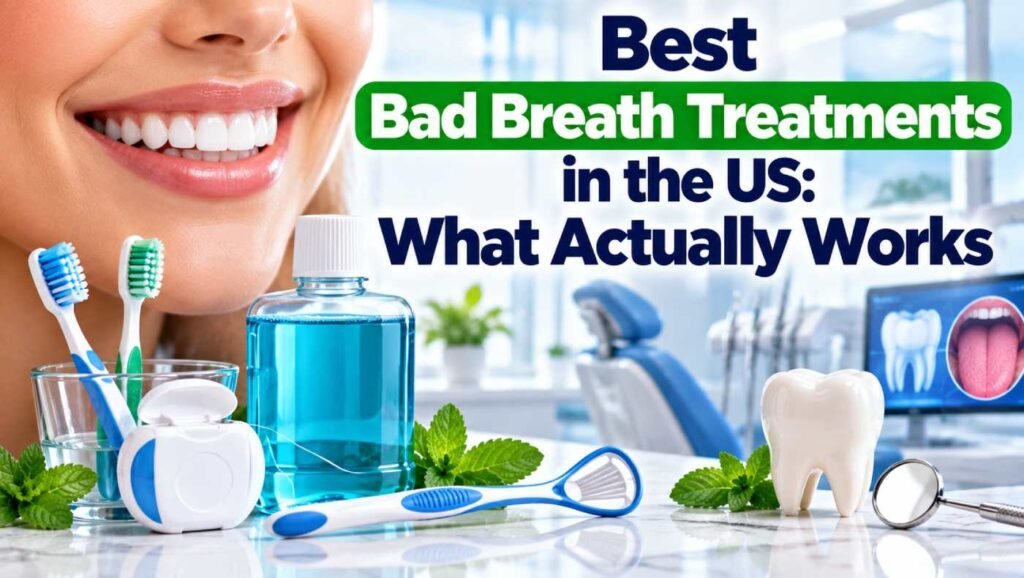
Quick answer: The most effective bad breath treatment is a combination: daily tongue scraping, proper brushing and flossing, an alcohol-free antibacterial rinse (CPC or chlorine dioxide), and a dental checkup to rule out gum disease or cavities. If your breath stays bad after two to three weeks of good hygiene, the cause is probably dental or medical, and a dentist or doctor is the right next step.
Why Bad Breath Happens
Bad breath, known medically as halitosis, affects a huge share of American adults at some point. Surveys from dental organizations regularly suggest that around one in four people deal with it on a recurring basis, and most people struggle to smell their own breath, so the real number is likely higher.
Here’s the part that surprises people: in the large majority of cases, the problem starts in the mouth itself, not the stomach. Bacteria that live on the back of the tongue, between teeth and under the gums break down proteins and release volatile sulfur compounds. These are the gases that smell like rotten eggs or decaying matter. So the most effective treatments almost always target those bacteria, the food they feed on, or the dry conditions that let them thrive.
The common causes include:
- Coating on the tongue. This is the biggest single source for most people.
- Gum disease (periodontitis). Pockets around the teeth trap bacteria that produce a persistent odor.
- Cavities and old dental work that hold food and plaque.
- Dry mouth. Saliva is the mouth’s natural cleanser. Less saliva means more odor.
- Tonsil stones, small calcified clumps that form in the tonsils.
- Tobacco and vaping.
- Sinus infections, post-nasal drip, acid reflux and a few other medical conditions.
- Certain foods, medications and low-carb or fasting diets.
Because the cause varies, the best treatment depends on what is actually going on. Let’s go through the options, starting with the ones that help most people.
Step One: Fix the Basics (Brushing and Flossing Properly)
It sounds boring, but poor technique is the most common reason over-the-counter products seem to “fail.” No mouthwash can make up for plaque left sitting between your teeth.
- Brush twice a day for two minutes with a fluoride toothpaste, angling the bristles toward the gumline.
- Clean between teeth once a day. String floss, interdental brushes, soft picks or a water flosser all work. The best one is the one you will actually use.
- Replace your toothbrush every three months or sooner if the bristles are splayed. Electric brushes with timers make it easier to hit the full two minutes.
- Clean dentures, retainers and night guards daily. These collect bacteria and are a surprisingly common hidden source of odor.
The American Dental Association (ADA) recommends cleaning between your teeth daily, and for good reason. A large portion of the tooth surface sits in places a brush can’t reach. If you do only one thing from this section, make it interdental cleaning.
Tongue Scraping: The Cheapest Big Win
If I had to pick a single habit with the best return for bad breath, it would be tongue cleaning. Small studies have found that tongue scrapers reduce sulfur compounds more effectively than brushing the tongue with a toothbrush, though results vary between people.
How to do it: Stick out your tongue, place a stainless steel or copper scraper as far back as is comfortable without gagging, and pull forward gently. Rinse the scraper and repeat several times. Do it once in the morning, ideally before eating or drinking.
Scrapers cost around five to ten dollars at most US pharmacies and big-box stores. Many people notice a difference within a few days. If you gag, start further forward and work your way back over a couple of weeks. Don’t press hard; a sore or bleeding tongue means you’re being too aggressive.
Mouthwashes That Work for Bad Breath
Not all mouthwashes are equal. Many are simply flavored water with alcohol that masks odor for twenty minutes and can actually dry out your mouth. The ones worth buying kill or neutralize the bacteria and compounds that cause the smell.
Cetylpyridinium chloride (CPC) rinses
CPC is an antibacterial ingredient found in many ADA-accepted and widely sold rinses, such as Crest Pro-Health and Colgate Total options. Alcohol-free versions are easy to find. Clinical studies show CPC rinses can reduce plaque bacteria and morning breath, and they’re gentle enough for daily use.
Chlorine dioxide and zinc rinses
Brands like TheraBreath use chlorine dioxide, which chemically neutralizes sulfur compounds rather than just covering them. Zinc-containing rinses work similarly by binding sulfur gases. Many people with persistent morning breath prefer these because the effect lasts longer than a minty flavor would. They are alcohol-free and widely available in the US, both in stores and online.
Essential oil rinses
Listerine-type rinses containing eucalyptol, menthol, thymol and methyl salicylate have solid research behind them for reducing plaque and gingivitis. They work, but the alcohol content in some versions can cause burning and dryness. Alcohol-free versions exist.
Chlorhexidine (prescription)
Chlorhexidine gluconate 0.12% is the strongest antibacterial rinse available and requires a prescription from a dentist in the US. It is excellent for gum disease and short-term use, but it can stain teeth and alter taste, so dentists usually prescribe it for a limited period only.
Tip: Use mouthwash after brushing and cleaning your tongue, not instead of them. And avoid eating or drinking for about thirty minutes afterward so the active ingredients have time to work.
Treating Dry Mouth
If your breath is worst in the morning, after long stretches of talking, or while taking certain medications, dry mouth is a likely contributor. Hundreds of common prescriptions list dry mouth as a side effect, including some antihistamines, antidepressants and blood pressure drugs.
Options that help:
- Drink water regularly through the day and keep a bottle nearby.
- Chew sugar-free gum or lozenges containing xylitol to stimulate saliva.
- Use saliva substitutes such as Biotene gels, sprays and rinses, available over the counter.
- Run a humidifier in the bedroom if you sleep with your mouth open.
- Talk to your doctor if a medication seems to be the cause. Never stop a prescription on your own.
- Ask about prescription saliva stimulants (such as pilocarpine) in more severe cases.
If you breathe through your mouth at night, a nasal issue or sleep apnea could be involved, which is worth raising with a doctor.
Professional Dental Treatments
If you have tried the basics for a few weeks and your breath hasn’t improved, the next stop is a dentist. Honestly, this is where the most dramatic improvements often happen, because the underlying cause may be something no store-bought product can fix.
- Professional cleaning (prophylaxis). Removes tartar, which toothbrushes cannot remove and which harbors odor-causing bacteria. Most insurance plans cover two cleanings a year.
- Scaling and root planing (“deep cleaning”). The standard first-line treatment for gum disease. It clears bacteria from pockets under the gumline. Many patients see a large drop in bad breath afterward.
- Treating cavities and replacing faulty fillings or crowns. Decay and gaps trap food and bacteria.
- Treating infections or abscesses. A hidden dental infection can produce an unmistakable foul taste and smell.
- Prescription rinses or high-fluoride products where appropriate.
Gum disease is the key one to rule out. It is very common among US adults, often painless in early stages, and bad breath is frequently the first symptom people notice. If you also see bleeding when brushing, swollen or receding gums, or loose teeth, book an appointment promptly.
For readers who want an overview of one popular over-the-counter route aimed at the oral microbiome, our guide on how ProDentim is marketed for bad breath breaks down the claims and what to realistically expect.
Oral Probiotics: Promising but Not a Magic Fix
Oral probiotics are one of the fastest growing categories in the US oral care market. The idea is simple: instead of killing everything with antiseptics, you introduce beneficial bacteria that compete with odor-producing ones.
The strain with the most research behind it for breath is Streptococcus salivarius K12, which has been studied in small trials for reducing halitosis. Other strains are being investigated too. The evidence is encouraging but still limited: studies are generally small, short and varied in design, so probiotics should be considered a supportive tool and not a replacement for brushing, flossing or dental care.
If you decide to try one, look for products that clearly list the strains and doses, and be wary of exaggerated promises. Supplements are not evaluated by the FDA the way medications are, so quality varies. Our comparison of ProDentim vs Provadent looks at two of the best-known options side by side, including ingredients and complaints, which can help you judge what’s worth trying.
Check with your dentist or doctor first if you are immunocompromised, pregnant or taking medication regularly.
ProDentim: A Possible Option Worth Considering
Among the oral probiotic supplements sold in the US, ProDentim is one of the most talked-about. It comes as a chewable tablet that combines probiotic strains, including Lactobacillus paracasei, B.lactis BL-04 and Streptococcus salivarius K12 (the strain mentioned above), with ingredients such as peppermint and inulin. The idea is to support a healthier balance of bacteria in the mouth, which in turn may help with the odor-causing bugs on the tongue and gums.
For people who have already nailed their brushing, flossing and tongue scraping and want an extra layer of support, ProDentim could be a possible solution to add to the routine. It’s easy to use (dissolve a tablet in the mouth daily), free of the burn that comes with some mouthwashes, and designed to work with your normal hygiene habits rather than replace them. Honest expectations matter though: it isn’t a drug, results differ from person to person, and it won’t fix gum disease or cavities. Our full ProDentim review covers the ingredients, real customer complaints, pricing and refund terms so you can decide whether it’s a good fit.
When the Cause Is Medical
If your mouth is healthy and your hygiene is good but the odor persists, it may be coming from somewhere else in the body. This is less common, but important.
- Tonsil stones. Gargling with salt water, using a water flosser on low pressure, or having an ENT doctor evaluate recurring stones can help. Avoid digging at them with sharp objects.
- Sinus infections and post-nasal drip. Mucus dripping down the throat feeds bacteria on the tongue. Treating the sinus problem often clears the breath. Saline rinses can help.
- Acid reflux (GERD). Stomach acid reaching the throat can leave a sour odor. A doctor can recommend lifestyle changes or medication.
- Diabetes. Poorly controlled diabetes can produce a fruity or acetone-like breath, and diabetes also raises gum disease risk.
- Kidney or liver conditions. These can cause distinct breath odors, such as fishy or musty smells. They are uncommon causes but worth a medical evaluation if the smell is unusual and persistent.
- Helicobacter pylori and other digestive issues. Occasionally linked to odor.
Seek medical advice if your breath smell is unusual (fruity, ammonia-like, fishy), appears alongside other symptoms such as unexplained weight loss, excessive thirst, fatigue or abdominal pain, or doesn’t respond to good dental care.
Foods, Drinks and Habits That Make a Difference
Lifestyle changes won’t fix a dental infection, but they often make a noticeable difference at the margins.
- Quit smoking and vaping. Tobacco dries the mouth, stains teeth and raises the risk of gum disease. Quitting is one of the most effective breath improvements possible.
- Limit coffee, alcohol and sugary drinks. Coffee and alcohol dry the mouth, and sugar feeds bacteria.
- Watch strong-smelling foods. Garlic, onions and some spices are absorbed into the bloodstream and released through the lungs. Brushing won’t fully remove this; time does.
- Eat crunchy fruits and vegetables. Apples, carrots and celery stimulate saliva and gently scrub the teeth.
- Don’t skip breakfast. Eating and drinking triggers saliva flow. Prolonged fasting and very low-carb diets can cause “keto breath” from ketones.
- Stay hydrated. Water is the simplest and cheapest breath freshener.
One more thing: mints and sprays just mask the odor for a short time. They’re fine for emergencies but not a solution. Sugar-free xylitol gum is a better choice since it also helps saliva flow.
Treatment Comparison Table
| Treatment | Best For | Typical Cost | Prescription? | Effectiveness |
|---|---|---|---|---|
| Brushing and flossing properly | Everyone | Low | No | High (foundation) |
| Tongue scraper | Coated tongue, morning breath | $5 to $10 | No | High |
| CPC mouthwash | Daily plaque and odor control | $5 to $12 | No | Moderate to high |
| Chlorine dioxide or zinc rinse | Persistent sulfur odor | $8 to $15 | No | Moderate to high |
| Chlorhexidine rinse | Gum disease, short-term use | Varies | Yes | High (short-term) |
| Saliva substitutes and xylitol gum | Dry mouth | $5 to $15 | No | Moderate |
| Professional cleaning / deep cleaning | Tartar, gum disease | Varies (insurance may cover) | Dentist visit | Very high when dental cause |
| Oral probiotics | Supporting oral microbiome | $30 to $70 per month | No | Limited evidence, mixed |
| Medical treatment (sinus, reflux, etc.) | Non-oral causes | Varies | Often | High when cause identified |
Costs are rough estimates and vary by brand, retailer and insurance coverage.
A Simple Daily Routine That Works
Morning
- Scrape your tongue.
- Brush for two minutes with fluoride toothpaste.
- Rinse with an alcohol-free CPC or chlorine dioxide mouthwash.
- Drink a glass of water and eat breakfast.
During the day
- Sip water regularly.
- Chew sugar-free xylitol gum after meals.
- Rinse with water after coffee or strong foods.
Evening
- Floss or use interdental brushes.
- Brush again for two minutes.
- Scrape your tongue.
- Rinse with mouthwash, then avoid eating or drinking afterward.
Every six months: see your dentist for a cleaning and exam.
Stick with this for two to three weeks before judging results. If you aren’t noticing a difference, that’s your cue to book a dental visit rather than buying more products.
Common Mistakes to Avoid
- Relying on mints and sprays instead of treating the cause.
- Using harsh alcohol mouthwashes that dry out the mouth and may worsen the problem.
- Skipping the tongue. Most odor lives there.
- Ignoring bleeding gums. It’s an early sign of gum disease.
- Expecting supplements to replace dentistry.
- Self-diagnosing a medical cause without ruling out the mouth first.
The Bottom Line
So what are the most effective bad breath treatments available in the US? For most people the answer isn’t a single product. It’s a stack: scrape the tongue, clean between the teeth, use a proven antibacterial rinse, keep your mouth moist, and get any underlying dental or medical issue treated. Professional dental care delivers the biggest improvement when gum disease or decay is responsible, and probiotics may be a helpful extra for some people, though the research is still developing.
The good news is that bad breath is very treatable. Most people see real improvement within a couple of weeks of a consistent routine, and those who don’t usually find a fixable cause once a dentist or doctor takes a look.
Frequently Asked Questions
What is the fastest way to get rid of bad breath?
For a quick fix, brush your teeth and tongue, floss, rinse with an alcohol-free antibacterial mouthwash, and drink water. This removes the bacteria and food particles behind most odor. Mints alone only mask it for a short time.
Why does my breath still smell after brushing?
Most likely the bacteria are on your tongue, between your teeth or under your gums, which brushing teeth alone doesn’t clean. Dry mouth, tonsil stones, gum disease and sinus problems can also be responsible.
Is bad breath a sign of a serious illness?
Usually not. The vast majority of cases come from the mouth. But persistent unusual smells, especially with other symptoms, are worth discussing with a doctor.
Do mouthwashes really work?
Yes, the right ones do. Look for CPC, chlorine dioxide, zinc or essential oil formulas, ideally alcohol-free. They work best alongside brushing, flossing and tongue cleaning, not instead of them.
Do oral probiotics help with bad breath?
Some small studies on specific strains such as S. salivarius K12 are promising, but the evidence is limited. They are best viewed as a possible add-on to good hygiene.
Which doctor should I see for bad breath?
Start with your dentist. If your mouth checks out, your primary care doctor or an ENT specialist can look into sinus, throat or digestive causes.
How long does it take to fix bad breath?
With good hygiene, many people notice improvement within days and a clear difference within two to three weeks. If gum disease is involved, treatment may take longer.
Medical disclaimer: This article is for general information only and is not a substitute for professional medical or dental advice, diagnosis or treatment. Always consult a qualified dentist or healthcare provider about persistent bad breath or any health concern. Individual results vary.