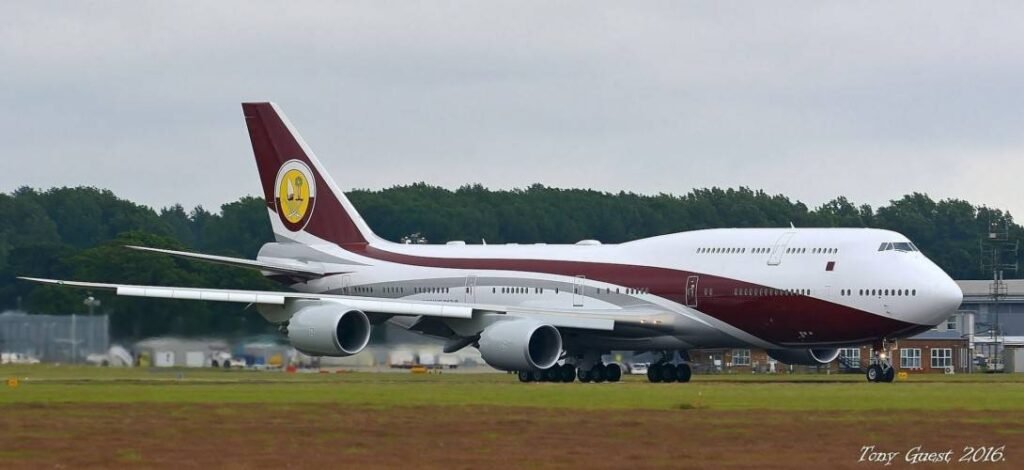
3. Boeing 747-8 VIP — The Airborne Mansion
Why it’s here:
When a business jet cabin isn’t enough space, buyers move to converted widebody airliners, and the Boeing 747-8 VIP sits at the top of that category. With roughly 4,786 square feet of interior space spread across multiple decks, it is the largest and most expensive private aircraft you can buy that isn’t a head-of-state government asset.
Brief history:
The 747-8, Boeing’s final and largest 747 variant, entered commercial service in 2012 and has been selected by a handful of governments and billionaires for VIP conversion ever since, continuing the tradition of 747-based VIP aircraft that dates back decades. Full completion — converting the green airframe into a finished VIP interior — typically takes 18 months to two years after delivery.
A Look Inside:
Pictures:
Outright purchase price:
Green (undecorated) aircraft plus a full VIP completion typically runs $400 million-plus, with the most elaborate bespoke builds cited above $400–660 million once custom interiors, hardened electronics, and specialized systems are included.
Installment / financing structure:
Financing at this tier is rarely conventional bank lending; buyers at the head-of-state or sovereign-wealth level typically use structured asset financing, sovereign credit facilities, or outright cash purchase. Where commercial financing is used, expect large down payments (30–50%) with the balance financed over 10–15 years through specialized aviation finance arms.
Charter price:
True 747-8 VIP charter is exceedingly rare on the open market; when available through specialist operators, hourly rates run $25,000–$40,000+, reflecting fuel burn, crew size (often 15–20 crew for long-haul VIP configurations), and limited availability.
Annual ownership cost:
Fixed and variable costs for an aircraft this size commonly exceed $10–15 million annually, driven by a large flight and cabin crew, hangar requirements sized for a widebody, and maintenance programs scaled to airline-grade systems.
Insurance:
Hull and liability coverage on a $400 million-plus asset typically runs into the $1–3 million annual range, with liability limits frequently exceeding $500 million given the aircraft’s size, passenger capacity, and operating profile.
Known owners/operators:
Various heads of state operate 747-8 VIP aircraft as government transport; several Middle Eastern royal families have also commissioned 747-8-based VIP completions.
Where to charter:
Specialist ultra-large-cabin brokers and select operators in the Middle East and Asia occasionally list 747-8 VIP charter; availability should be treated as bespoke-request-only rather than standard inventory.
Where to buy:
Boeing Business Jets (the VIP arm of Boeing) handles new-aircraft sales; completion centers such as Lufthansa Technik, Jet Aviation, and Greenpoint Technologies handle the interior build-out.
Customization options:
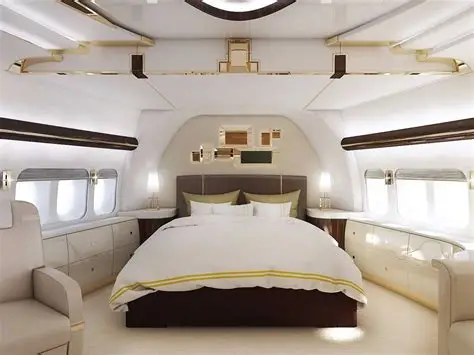
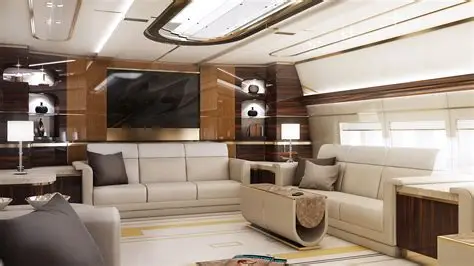
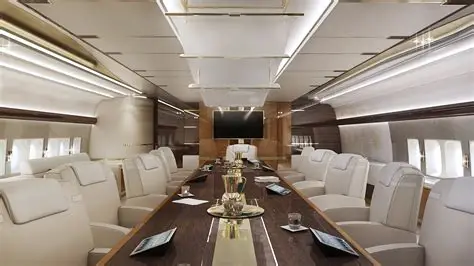
Full customization is the entire point — buyers specify everything from private bedroom suites and full-size dining rooms to onboard conference facilities, dedicated staff quarters, and in some cases medical bays. Multi-deck layouts allow for a genuine separation between principal, family, staff, and security zones.
Unique feature:
Some 747-8 VIP builds include hardened electronics and communications systems more commonly associated with government aircraft, along with the structural ability to accommodate significantly heavier custom fit-out than a purpose-built business jet could ever support.
4. Airbus A380 (Prince Al Waleed bin Talal’s Conversion) — The Most Expensive Private Aircraft Ever Built
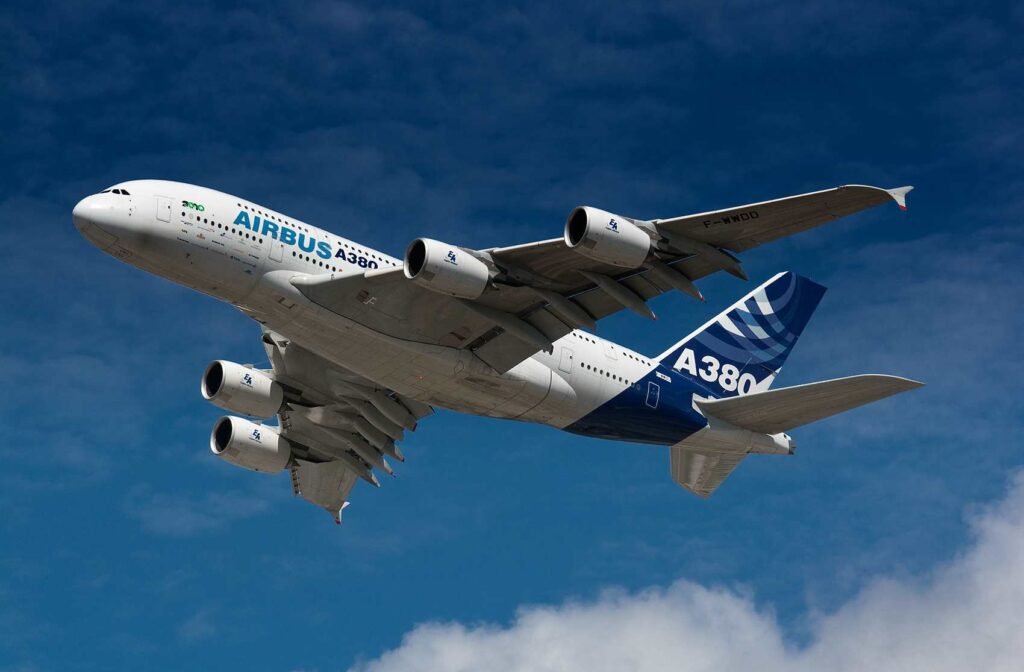
Why it’s here:
No list of ultra-luxury private aircraft is complete without the single most extravagant private jet conversion in history: a full-size Airbus A380 commissioned by Saudi Prince Al Waleed bin Talal, designed by Edèse Doret, and estimated at $400–600 million including the redecoration budget.
Brief history:
The aircraft was purchased green for roughly $400 million, with an additional $200 million invested in the interior rebuild. Interestingly, the prince sold the completed aircraft before ever taking delivery, passing it to an unnamed billionaire buyer — making it one of the more mysterious transactions in private aviation history.
A Look Inside:
Pictures:

Outright purchase price:
Estimated total investment of $400–600 million, spread across the airframe and the full custom interior.
Installment / financing structure:
At this scale, financing is almost always a bespoke private banking arrangement rather than a standard aviation loan; UHNW buyers at this tier typically use a mix of cash and structured credit facilities tied to broader wealth-management relationships rather than a conventional amortizing aircraft mortgage.
Charter price:
Not available on any public charter market; this class of aircraft is privately operated and not offered for third-party charter.
Annual ownership cost:
Industry estimates for widebody VIP aircraft of this scale suggest $15–20 million or more annually, given four engines, a large multi-deck cabin, and a correspondingly large flight and service crew.
Insurance:
Given the hull value alone, annual insurance premiums are estimated in the $2–4 million range, reflecting both the asset value and the complexity of a four-engine widebody with an extensively customized interior.
Known owners/operators:
Originally commissioned by Prince Al Waleed bin Talal; current ownership has not been publicly disclosed following the pre-delivery sale.
Where to charter:
Not applicable — this aircraft is not part of any charter fleet.
Where to buy:
Airbus Corporate Jets handles new-aircraft sales of A380s configured for private use, though production-line availability for new orders is essentially theoretical given the A380’s discontinued commercial production status; any acquisition today would realistically involve a secondary-market widebody conversion project.
Customization options:
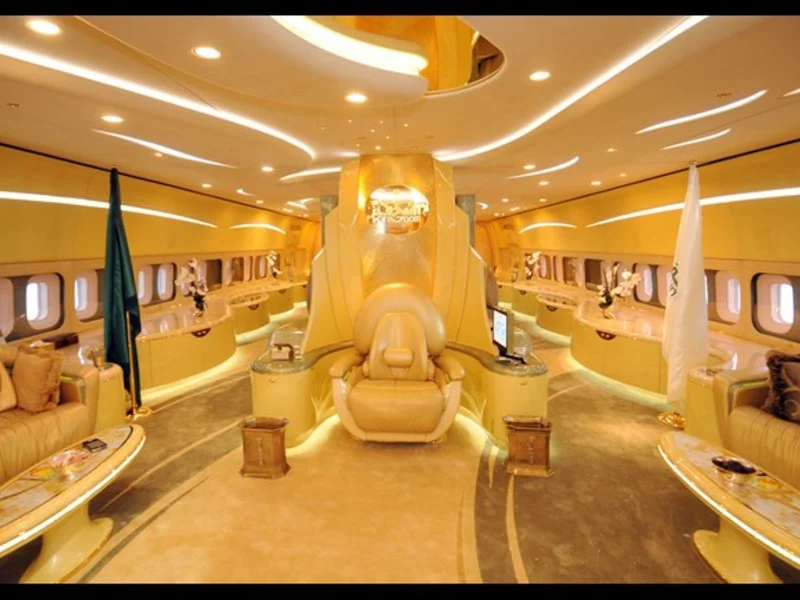
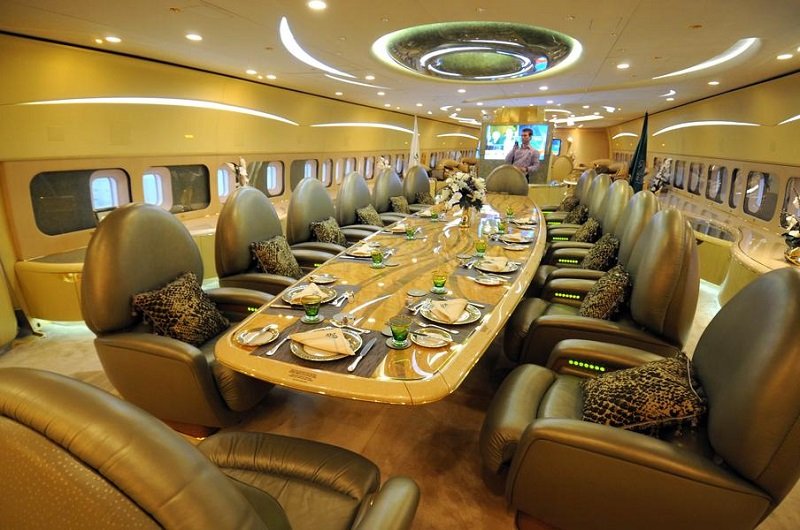
The completed interior reportedly includes a Turkish bath with gold-plated fixtures, a built-in garage for a car, glass elevators connecting the three decks, and a prayer room with mats that automatically orient toward Mecca — likely the single most elaborate customization program ever executed on a private aircraft.
Unique feature:
At three full decks connected by glass elevators, this aircraft blurs the line between “private jet” and “flying building” more completely than any other aircraft in private hands.
5. Boeing 767 “The Bandit” — Roman Abramovich’s Fortress in the Sky
Why it’s here:
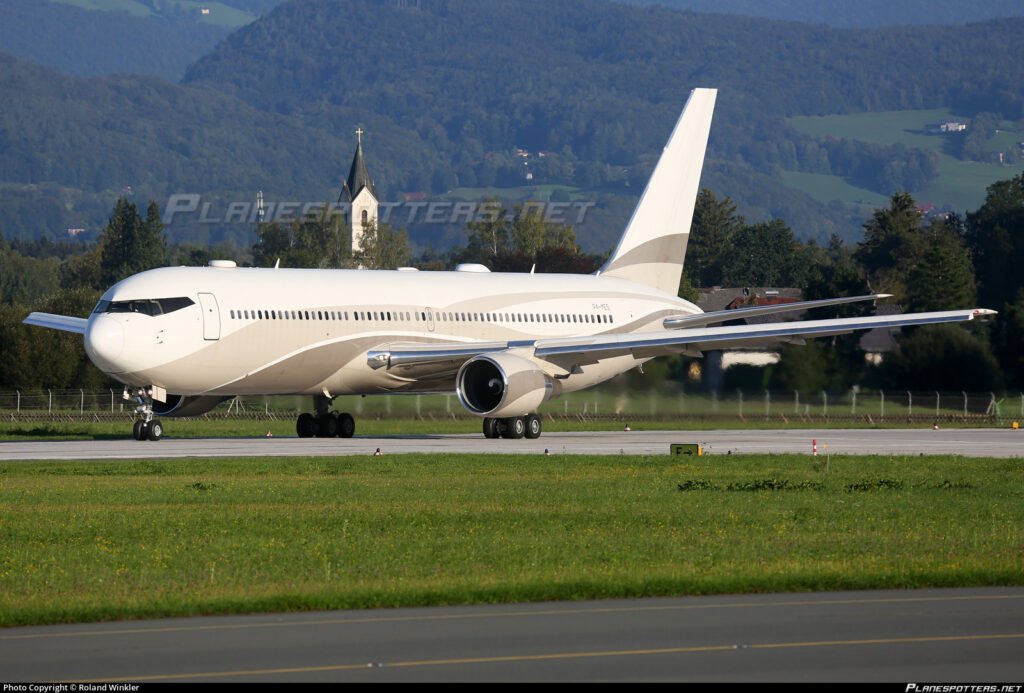
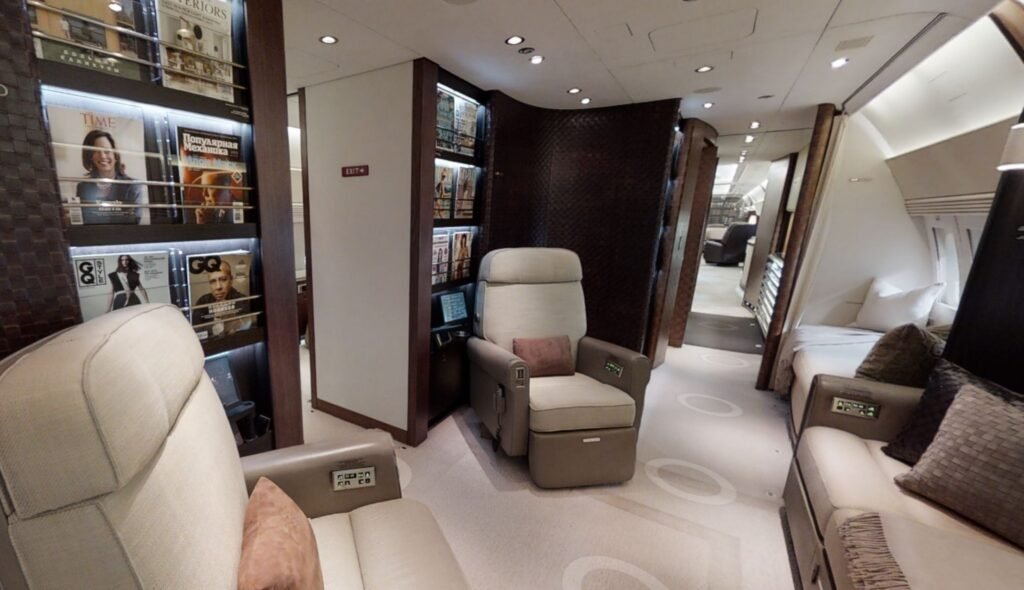
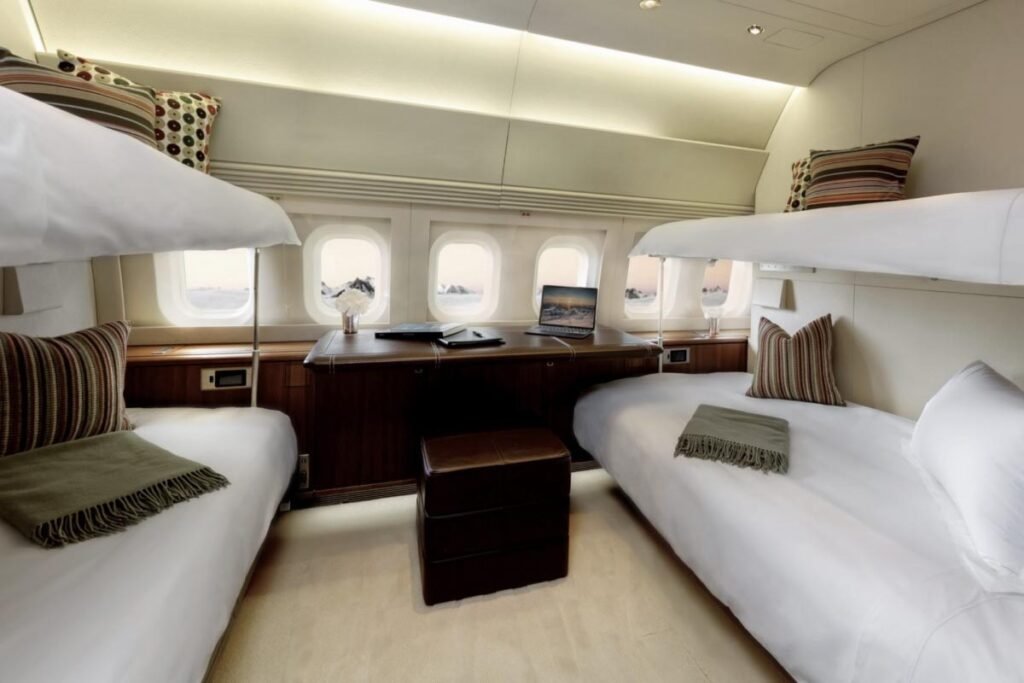
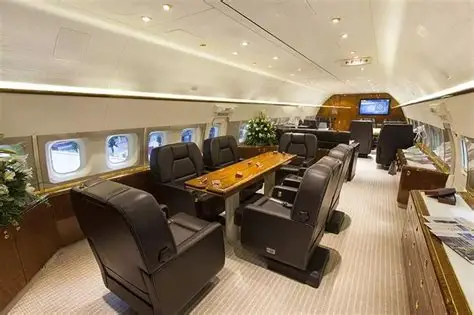
Valued at roughly $170 million, Roman Abramovich’s customized Boeing 767, reportedly nicknamed “The Bandit,” combines widebody scale — capacity for over 200 passengers in commercial configuration, though flown with a fraction of that in VIP layout — with a dining room, library, and reported military-grade defensive systems.
Brief history:
The Boeing 767 entered commercial service in 1982 and has become a popular platform for VIP conversion among billionaires who want widebody space without the full scale (and cost) of a 747 or A380. Abramovich’s aircraft has been among the most closely tracked private jets in the world, drawing significant media attention around sanctions-related flight restrictions in recent years.
A Look Inside:
Pictures:
Outright purchase price:
Estimated total value around $170 million, reflecting both the converted airframe and the extensive custom interior and security systems.
Installment / financing structure:
As with other ultra-high-value private aircraft, financing at this tier typically runs through private banking relationships rather than standard commercial aviation lenders, with large cash components and bespoke credit structures rather than conventional installment mortgages.
Charter price:
Not available for charter; privately operated and not part of any commercial fleet.
Annual ownership cost:
Widebody VIP operating costs of this scale are estimated at $8–12 million annually, covering a large crew complement, extensive maintenance requirements, and hangar costs sized for a widebody airframe.
Insurance:
Hull and liability coverage estimated at $1–2 million annually, reflecting both the hull value and reported additional security-related coverage considerations for an aircraft of this profile.
Known owners/operators:
Roman Abramovich, Russian billionaire and former owner of Chelsea Football Club.
Where to charter:
Not applicable.
Where to buy:
Widebody VIP conversion projects of this kind are typically brokered privately through specialist aviation acquisition firms rather than listed publicly; Boeing Business Jets and completion centers such as Jet Aviation handle new-build widebody VIP projects.
Customization options:
The completed interior includes a dedicated dining room and library, along with reported military-grade defensive countermeasure systems — a customization category generally reserved for owners with elevated personal security requirements.
Unique feature:
The combination of full widebody cabin space with defensive systems more commonly associated with head-of-state aircraft makes this one of the most heavily fortified privately owned aircraft in the world.
6. Boeing 757 — Donald Trump’s “Trump Force One”
Why it’s here:
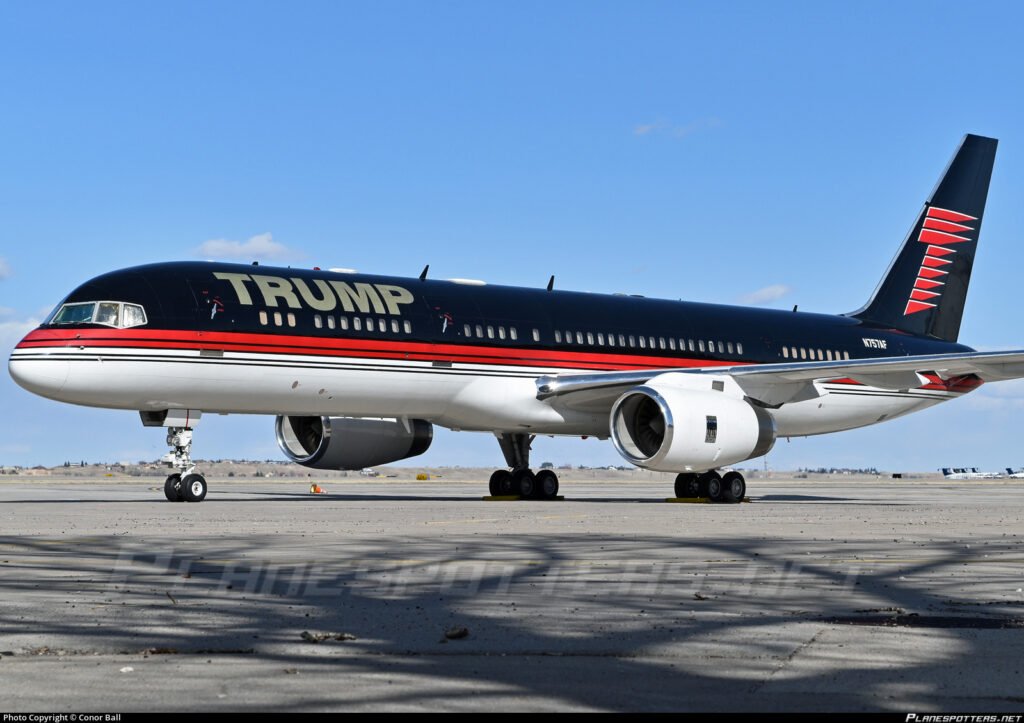
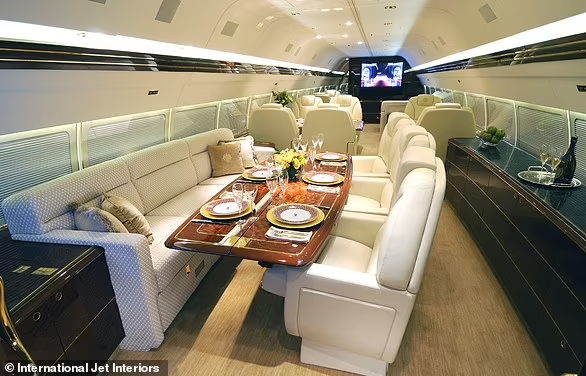
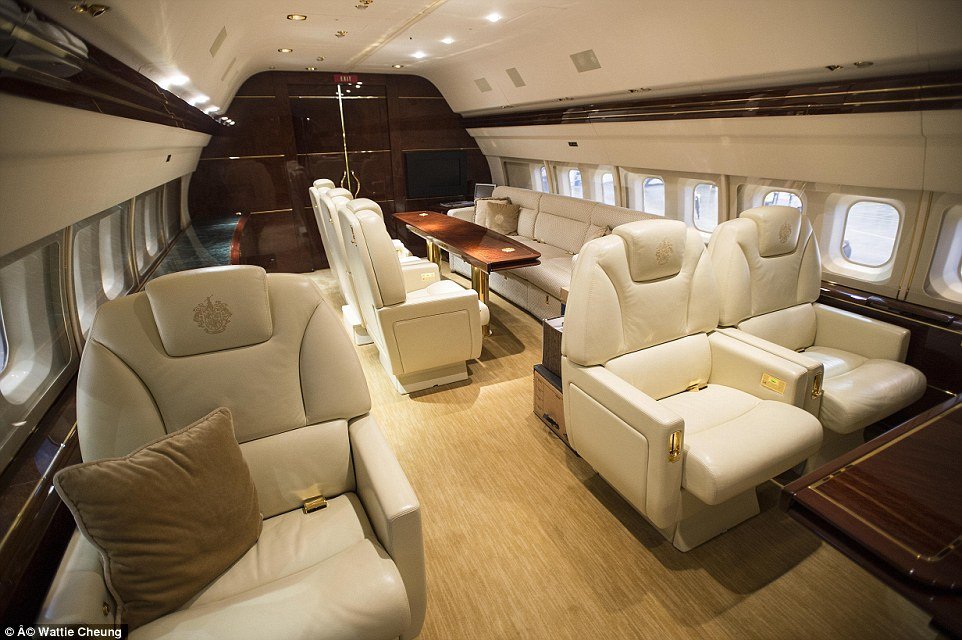
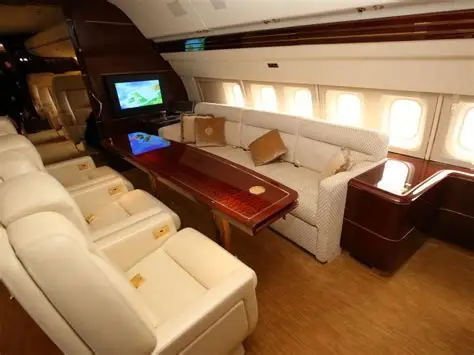
Perhaps the most publicly recognized privately owned jet in the world, Donald Trump’s Boeing 757 combines narrow-body efficiency with an extensively customized, gold-accented interior, seating more than 40 passengers with a private bedroom and a dine-in galley.
Brief history:
Trump acquired the aircraft in 1991 for approximately $100 million including a roughly $10 million refurbishment. Built on the Boeing Business Jet platform, the 757 offers unusually large interior volume for a narrow-body aircraft, though its 4,000-nautical-mile range requires refueling stops on transatlantic crossings — a limitation the ultra-long-range widebodies and large-cabin business jets on this list don’t share.
A Look Inside:
Pictures:
Outright purchase price:
Original acquisition and refurbishment totaled roughly $100 million; a comparable acquisition and refit today, adjusted for current aircraft and completion-center pricing, would likely run meaningfully higher.
Installment / financing structure:
Historical reporting on the original purchase doesn’t detail specific financing terms, but acquisitions of this type and era were typically structured through a mix of corporate financing and private credit facilities rather than a standard aircraft mortgage.
Charter price:
Not available for charter; privately operated.
Annual ownership cost:
Narrow-body VIP operating costs are generally lower than widebody equivalents but still substantial, commonly estimated in the $4–7 million annual range for an aircraft of this size and crew complement.
Insurance:
Estimated $500,000–$1 million annually, reflecting both hull value and the aircraft’s high public profile.
Known owners/operators:
Donald Trump, 47th President of the United States.
Where to charter:
Not applicable.
Where to buy:
Boeing Business Jets handles new narrow-body VIP platforms; pre-owned 757 conversions occasionally surface through specialist widebody/narrowbody VIP brokers.
Customization options:
The completed interior features a gold-accented cabin, a private bedroom, and a dine-in galley configured for formal service — a highly personalized, non-standard layout rather than a template offered to other buyers.
Unique feature:
As one of the most photographed and publicly tracked private aircraft in the world, it functions as much as a recognizable personal brand asset as a mode of transport — a role few other aircraft on this list share.
7. Boeing Business Jet 2 (BBJ2) — Mukesh Ambani’s Mobile Headquarters
Why it’s here:
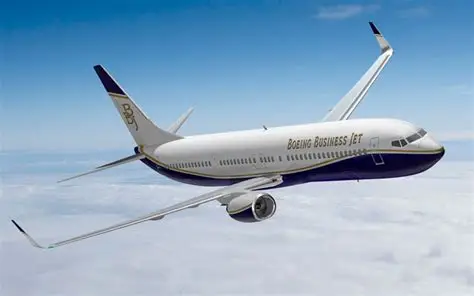
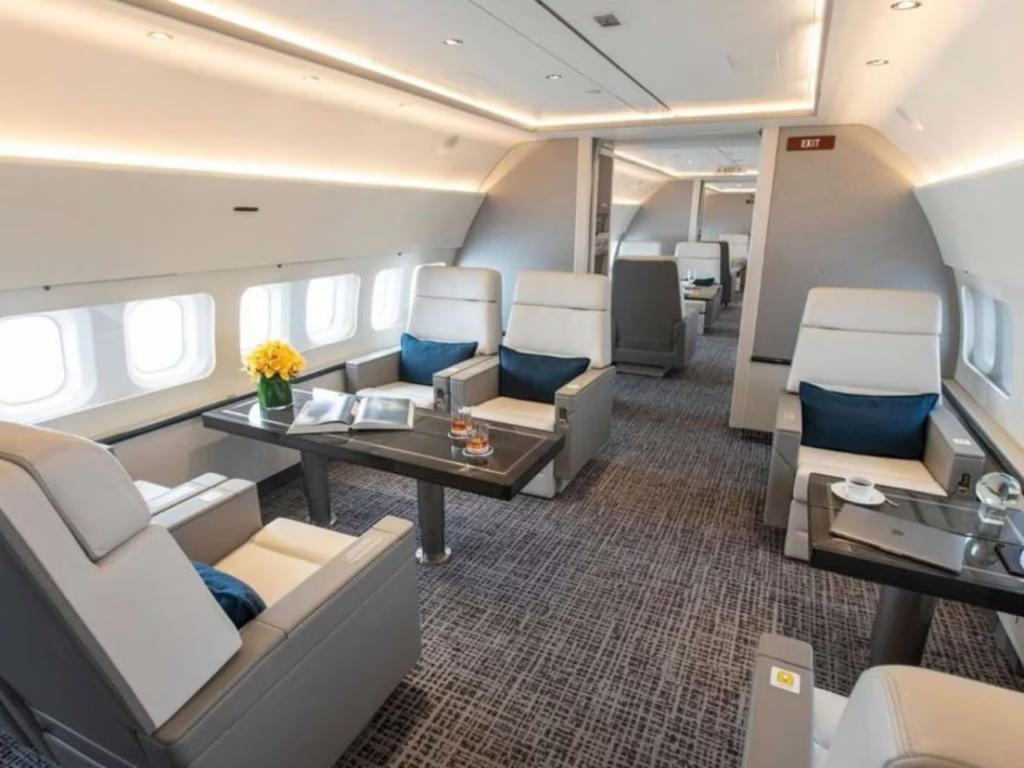
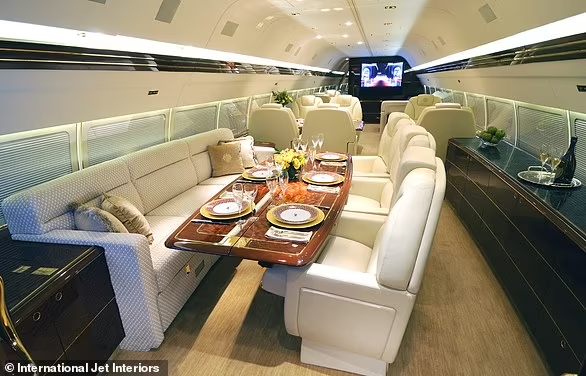
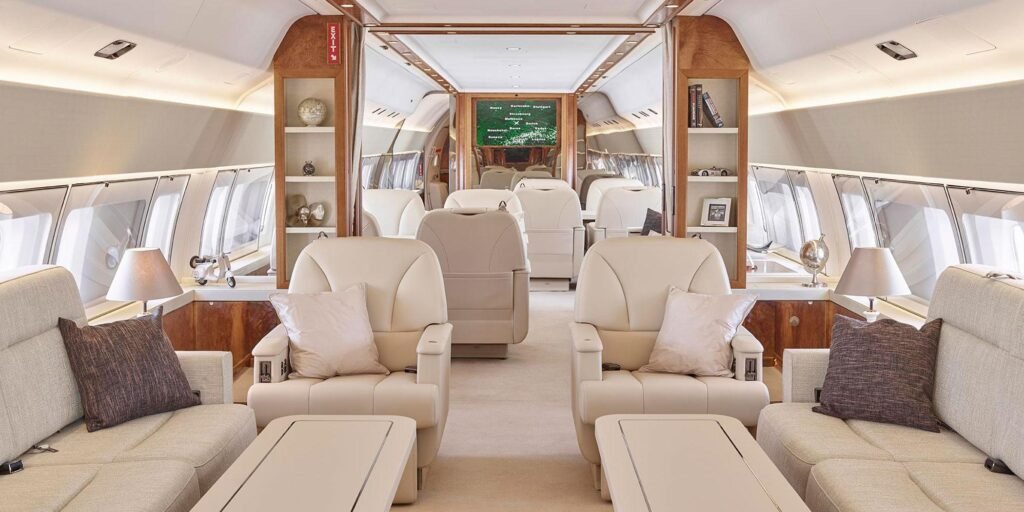
Valued at approximately $73 million, Mukesh Ambani’s BBJ2 delivers a 7,000-nautical-mile range with multiple living rooms, boardroom-style conference areas, and capacity for 50 passengers — effectively a mobile corporate headquarters for the chairman of Reliance Industries.
Brief history:
The Boeing Business Jet 2, based on the 737-800 airframe, has been a popular platform among corporate leaders and government VIP fleets since its introduction in the early 2000s, offering a middle ground between large-cabin purpose-built jets and full widebody conversions.
A Look Inside:
Pictures:
Outright purchase price:
Estimated at approximately $73 million as configured, though base BBJ2 platform pricing before customization is considerably lower — the bulk of the value reflects the extensive interior completion.
Installment / financing structure:
Corporate-owned aircraft of this type are typically financed through a mix of corporate balance-sheet cash and structured aviation financing, often through the buyer’s existing corporate banking relationships rather than individual consumer aircraft loans.
Charter price:
Not available for charter; operated as a private corporate asset.
Annual ownership cost:
Estimated $5–8 million annually, reflecting the larger cabin, extended crew requirements, and maintenance program associated with a Boeing narrow-body VIP platform.
Insurance:
Estimated $400,000–$800,000 annually for hull and liability coverage.
Known owners/operators:
Mukesh Ambani, chairman of Reliance Industries and one of the wealthiest individuals in Asia.
Where to charter:
Not applicable.
Where to buy:
Boeing Business Jets handles new BBJ2 sales; pre-owned examples occasionally appear through specialist large-cabin brokers.
Customization options:
The completed interior includes multiple living rooms, boardroom-style conference areas suited to hosting business meetings in flight, and configuration for up to 50 passengers — prioritizing functional business space over pure leisure amenities.
Unique feature:
The BBJ2’s design philosophy leans corporate rather than residential, reflecting its role as an extension of Reliance’s operations across the Middle East and beyond rather than primarily a leisure aircraft.
8. Gulfstream G650ER — The Celebrity Standard
Why it’s here:
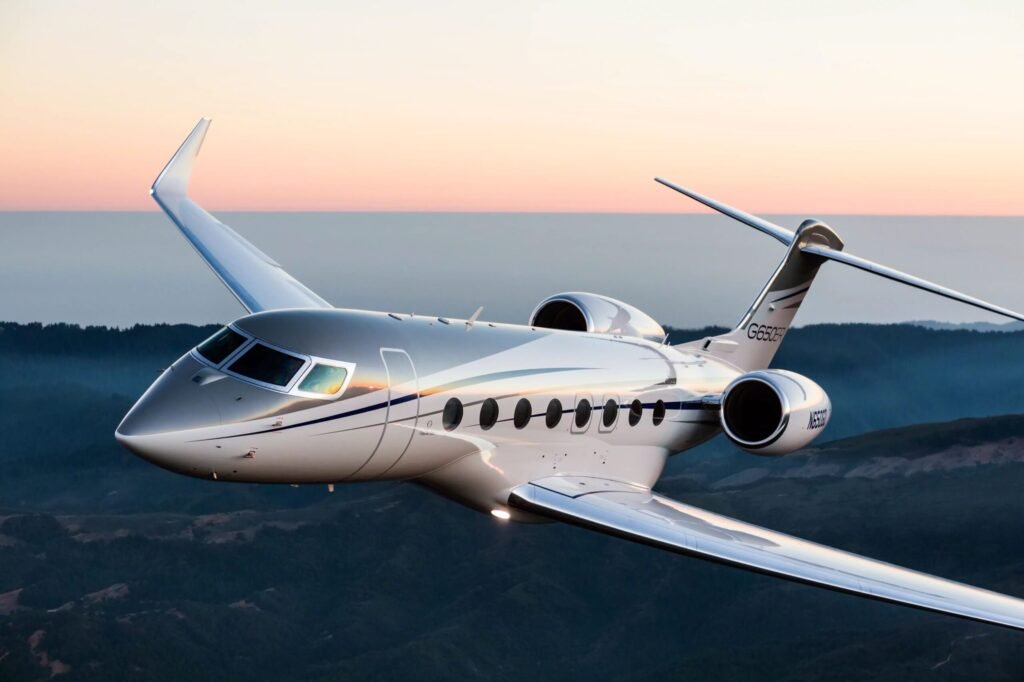
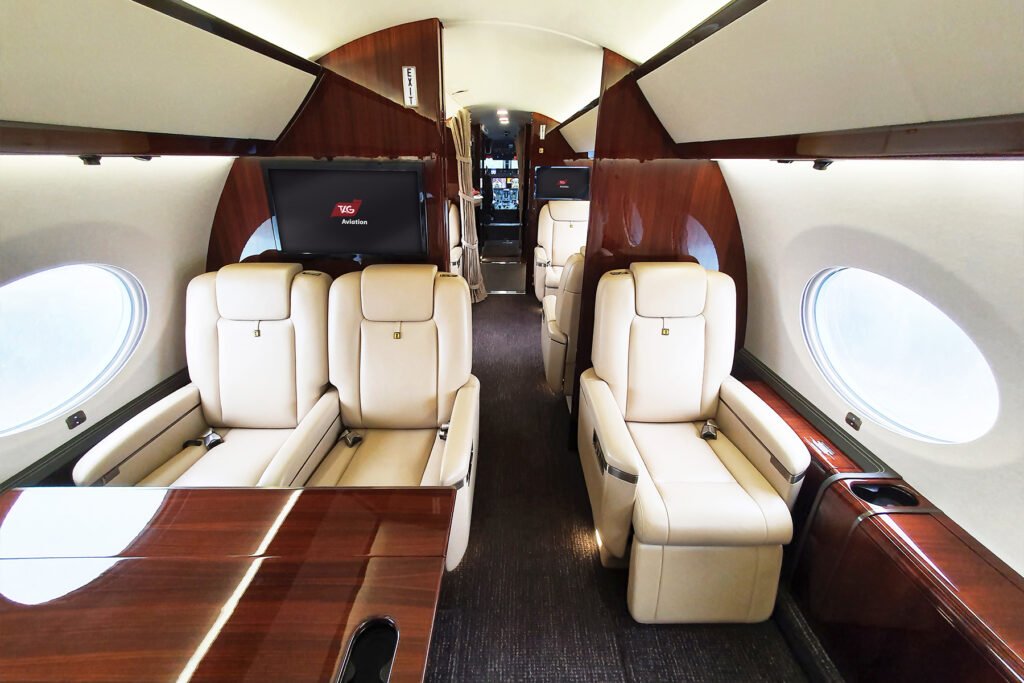
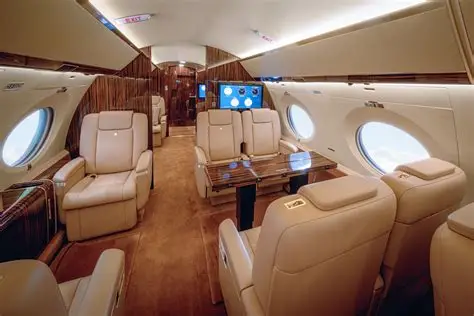
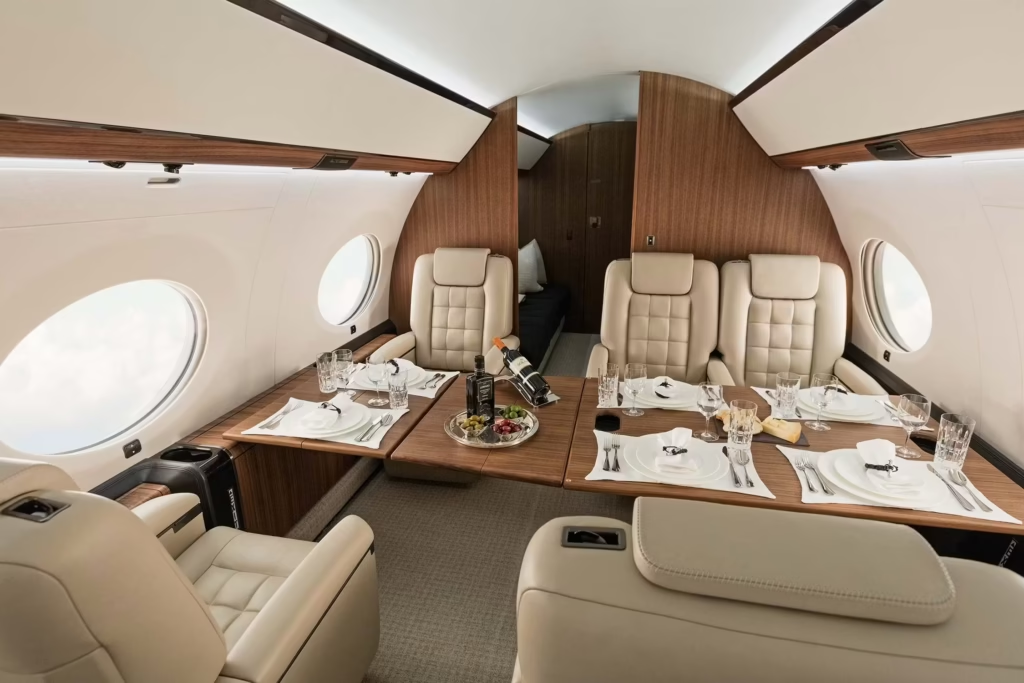
The G650ER has become something close to a status baseline among tech billionaires and celebrities, prized for its combination of speed (among the fastest civilian aircraft in the world), 6,500-nautical-mile-plus range, and a cabin that, while smaller than the newer G700, remains one of the most refined in the large-cabin category.
Brief history:
The G650 family was Gulfstream’s flagship before the G700 succeeded it, with the extended-range G650ER variant becoming the preferred version for buyers prioritizing maximum range. Production of the G650 line concluded in February 2025, meaning all G650ER examples on the market today are pre-owned — a factor that has kept demand and resale values notably strong.
A Look Inside:
Pictures:
Outright purchase price:
List price when new ran approximately $70–75 million; with production now closed, well-maintained pre-owned examples continue to command strong prices in a similar range, occasionally trading above original list price given constrained supply.
Installment / financing structure:
Typical structures mirror other large-cabin jets: 10–20% down, balance financed over 10–15 years through specialized aviation lenders, with monthly payments in the $300,000–$600,000 range depending on the size of the loan and interest rate environment.
Charter price:
Hourly charter rates generally fall in the $9,000–$13,000 range, positioning it as a slightly more accessible charter option than the newer G700 while offering comparable range and speed.
Annual ownership cost:
Estimated $1.8–2.2 million annually at 200 hours of use, broadly comparable to the G700 given the similarity in size and systems.
Insurance:
Estimated $130,000–$300,000 annually, reflecting the aircraft’s strong safety record and widespread operator familiarity.
Known owners/operators:
Elon Musk operates a G650ER, delivered in the mid-2010s, which he has used to connect Tesla’s Austin headquarters, SpaceX facilities in Hawthorne and Boca Chica, and Neuralink in Fremont. Kim Kardashian has also been reported as a G650ER owner.
Where to charter:
Widely available through major charter brokers including NetJets, Flexjet, BLADE, and VistaJet’s on-demand programs, given the large number of G650/G650ER aircraft already in service worldwide.
Where to buy:
Because production has ended, all transactions are now pre-owned; Jetcraft, Guardian Jet, and Gulfstream’s own pre-owned aircraft sales division handle secondary-market transactions.
Customization options:
Cabin layouts typically range from 11 to 18 seats depending on configuration, with options for a full berthable suite, forward and aft lounges, and an extensive selection of leather, veneer, and stitching packages carried over from Gulfstream’s large-cabin customization program.
Unique feature:
With production now closed, the G650ER occupies a unique position as a discontinued flagship — meaning values are more likely to hold or appreciate over time compared to aircraft still in active production, a dynamic that has made it attractive to buyers thinking about resale value alongside personal use.
9. Bombardier BD-700 Global Express XRS — Celine Dion’s Long-Range Classic
Why it’s here:
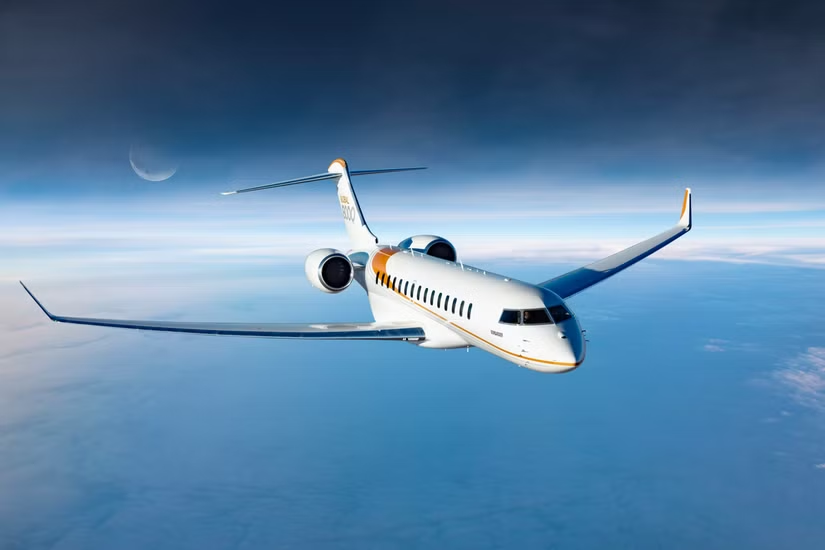
While no longer the newest aircraft on the market, the Global Express XRS remains a benchmark large-cabin jet, and its inclusion here — via a well-documented celebrity-owned example — illustrates how strong the pre-owned large-cabin market remains for well-maintained aircraft with a proven range profile of roughly 6,500 nautical miles.
Brief history:
The Global Express XRS was an extended-range evolution of Bombardier’s original Global Express, produced through the 2000s and into the following decade before Bombardier moved its flagship development toward the Global 7500. Celine Dion acquired her example as a pre-owned aircraft in 2021.
A Look Inside:
Pictures:
Outright purchase price:
Pre-owned Global Express XRS examples typically trade in the $12–20 million range depending on age, hours, and maintenance status — a fraction of current-production large-cabin jet pricing, reflecting the aircraft’s age relative to newer flagship models.
Installment / financing structure:
At this lower price point relative to current-production flagships, financing terms are typically more accessible: 15–20% down with the balance financed over 7–10 years, resulting in monthly payments considerably lower than newer ultra-long-range jets — often in the $100,000–$180,000/month range depending on the specific purchase price and loan structure.
Charter price:
Hourly charter rates for Global Express XRS aircraft generally run $7,000–$10,000, reflecting both the aircraft’s age and its continued strong performance credentials relative to cost.
Annual ownership cost:
Estimated $1.2–1.8 million annually at moderate utilization, lower than current-production flagships but still substantial given the aircraft’s size and range capability.
Insurance:
Estimated $80,000–$180,000 annually, reflecting both a lower hull value than newer aircraft and the type’s long, well-established safety record.
Known owners/operators:
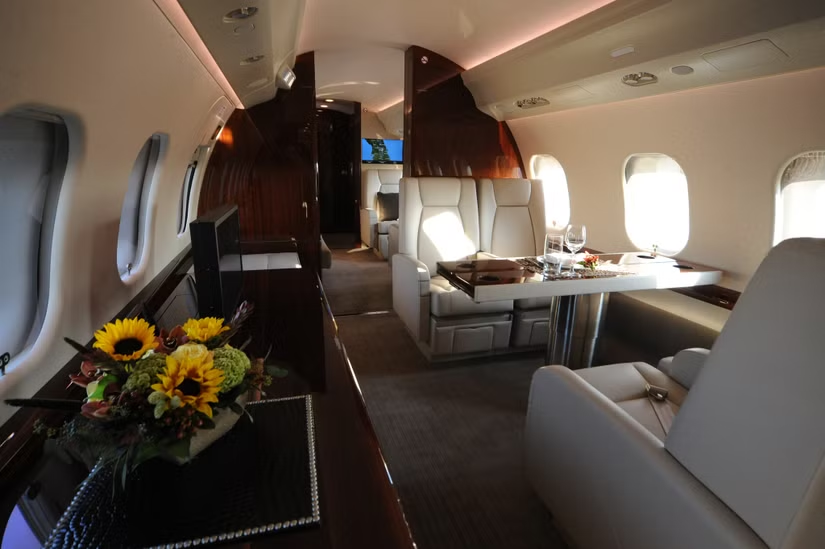
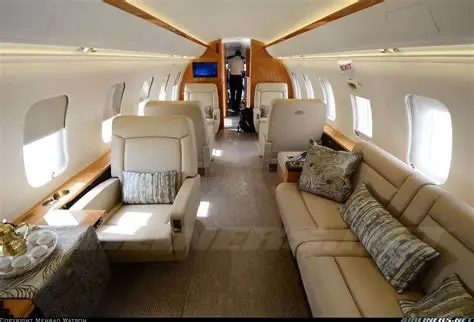
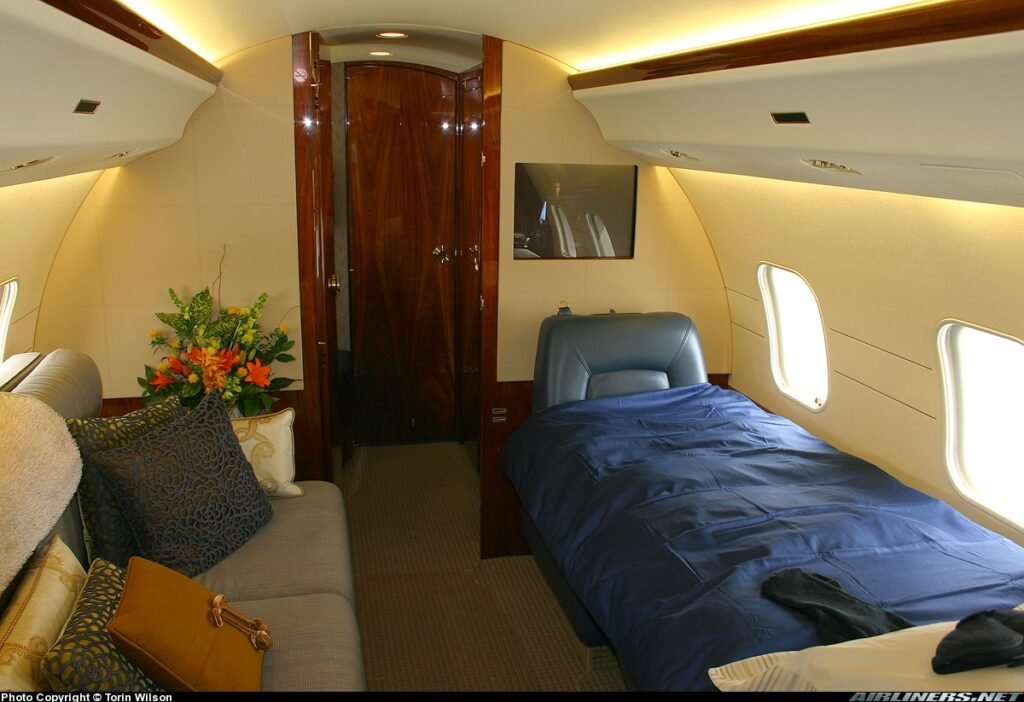
Celine Dion, who acquired her example as a pre-owned aircraft in 2021; the aircraft features convertible leather seating, six guest beds, a small onboard cinema, and a full kitchen.
Where to charter:
Available through most major large-cabin charter brokers given the substantial number of Global Express-family aircraft still in active service worldwide, including Stratos Jets, Mercury Jets, and Paramount Business Jets.
Where to buy:
Pre-owned Global Express XRS aircraft are handled by the same brokers active in the broader large-cabin secondary market — Jetcraft, Guardian Jet, and Colibri Aircraft among them.
Customization options:
Common configurations include convertible leather seating that folds into additional sleeping berths, a dedicated small-format cinema/entertainment system, and a full galley kitchen — customizations aimed squarely at long-haul comfort over multiple time zones.
Unique feature:
As one of the more mature large-cabin platforms on this list, the Global Express XRS offers buyers the chance to own genuine six-passenger-plus, transoceanic-range capability at a purchase price a fraction of a new flagship — a value proposition that has kept the type popular in the resale market even as newer aircraft dominate headlines.
10. Embraer Lineage 1000 — The Widest Cabin Value Play
Why it’s here:
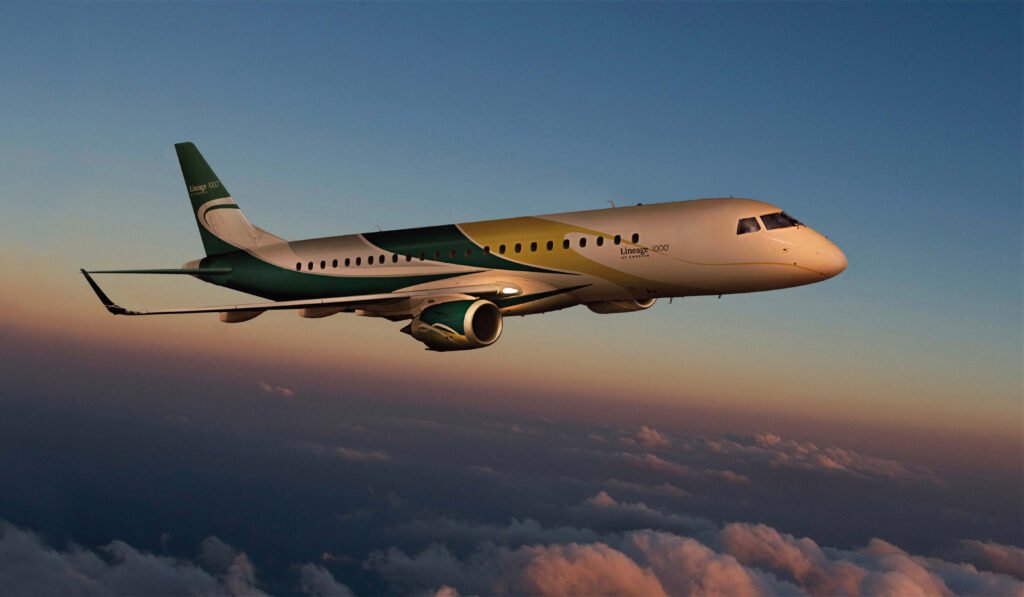
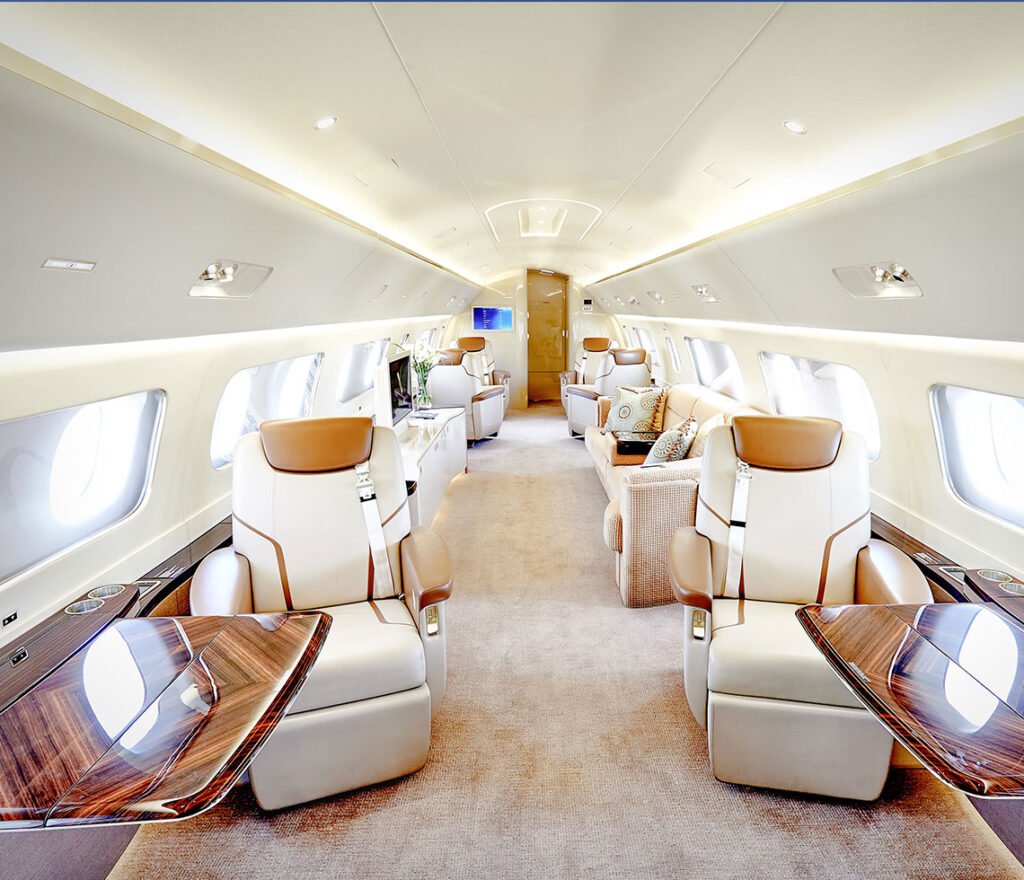
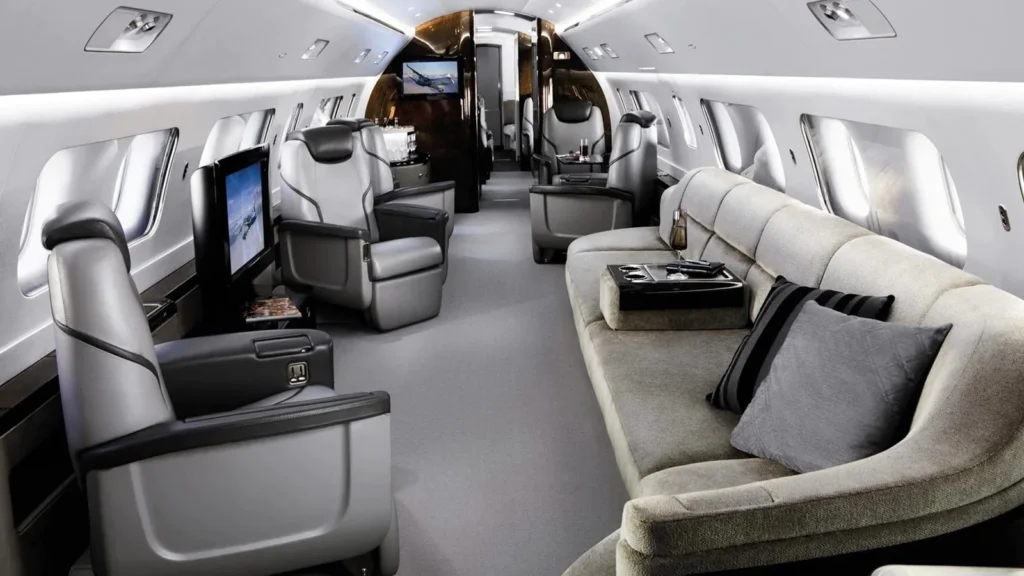
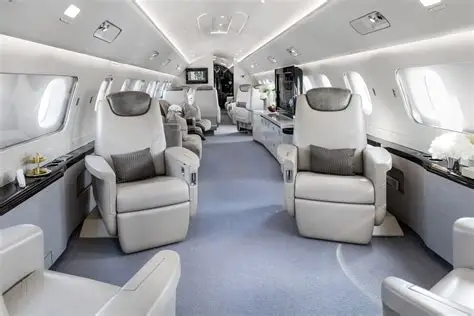
Converted from the Embraer 190 commercial regional jet platform, the Lineage 1000 offers the largest VIP executive cabin in the world relative to its category, giving buyers airliner-scale cabin width and floor space without stepping up to a full widebody conversion.
Brief history:
Embraer introduced the Lineage 1000 as a purpose-built VIP conversion of its E190 commercial airliner, positioning it as a bridge between large-cabin business jets and full widebody VIP aircraft. It has since built a following among buyers who want maximum interior volume without widebody-scale operating costs.
A Look Inside:
Pictures:
Outright purchase price:
New and recently delivered Lineage 1000 aircraft, fully completed, typically run in the $50–55 million range, positioning it below the current large-cabin ultra-long-range flagships while still delivering significantly more interior volume than a traditional business jet.
Installment / financing structure:
Typical structures follow similar patterns to other large-cabin jets: 15–20% down, financed over 10–12 years, with monthly payments generally in the $350,000–$450,000 range depending on the specific purchase price and interest terms.
Charter price:
Hourly charter rates typically run $9,000–$12,000, reflecting the aircraft’s larger fuel burn relative to a purpose-built business jet of similar range, balanced against strong cabin-space value.
Annual ownership cost:
Estimated $1.6–2.1 million annually at moderate utilization, reflecting a larger airframe and correspondingly higher maintenance and crew requirements than a standard large-cabin business jet.
Insurance:
Estimated $150,000–$300,000 annually, reflecting both hull value and the aircraft’s airliner-derived structure, which some underwriters treat differently from purpose-built business jets.
Known owners/operators:
The Lineage 1000 has attracted a mix of corporate flight departments and private owners across the Middle East, Asia, and Latin America who prioritize cabin space and floor-to-ceiling height over ultimate range.
Where to charter:
Available through select large-cabin charter brokers; because fewer examples are in service than mainstream Gulfstream or Bombardier models, advance booking is generally recommended.
Where to buy:
Embraer Executive Jets handles new-aircraft sales directly; pre-owned examples occasionally surface through specialist Latin American and European large-cabin brokers.
Customization options:
The airliner-derived fuselage allows for genuinely tall, wide cabin spaces including full-height walk-in closets, expansive private suites, and dining areas that feel proportionally larger than equivalent business-jet-platform aircraft — a direct benefit of building on a regional airliner rather than a purpose-built jet fuselage.
Unique feature:
The Lineage 1000 delivers the tallest, widest cabin cross-section of any aircraft in this price tier, a direct consequence of its airliner heritage — giving buyers a sense of interior spaciousness that purpose-built business jets in the same price range simply cannot match.
Buying vs. Chartering: The Break-Even Question
Across nearly every aircraft on this list, industry analysts point to a consistent rule of thumb: ownership tends to become more economical than charter once annual usage crosses roughly 400–450 flight hours per year. Below that threshold, chartering — either on a pay-as-you-go basis or through a jet card program — avoids the depreciation, financing costs, and fixed overhead (crew salaries, hangar fees, insurance, management fees) that come with ownership regardless of how much the aircraft actually flies.
For buyers flying fewer than roughly 150 hours annually, fractional ownership programs (Flexjet, NetJets, and similar operators) or charter-only arrangements typically make more financial sense than outright purchase. For those flying 400+ hours a year — a category that includes many of the corporate and celebrity owners profiled above — outright ownership, despite the enormous upfront and ongoing costs, becomes the more cost-effective long-term choice, in addition to offering the scheduling flexibility and privacy that heavy users prioritize.
What Insurance Actually Covers at This Level
Insurance premiums on aircraft in this class are individually underwritten rather than pulled from a standard rate table, but they generally reflect two combined components: hull coverage (insuring the aircraft’s value against damage or total loss) and liability coverage (covering passenger injury, third-party damage, and related claims).
For aircraft in the $50–80 million range, combined annual premiums commonly fall between $100,000 and $400,000, while aircraft above $150 million in value — particularly widebody conversions — can see premiums well into seven figures. Underwriters weigh pilot experience minimums, annual flight hours, geographic operating areas (war-risk zones add meaningfully to premiums), and the aircraft’s security profile, particularly for high-profile or politically exposed owners.
Final Word
The gap between “most expensive” and “most luxurious” has narrowed considerably in 2026: the Gulfstream G700 and Bombardier Global 7500 now offer purpose-built cabins that rival converted airliners in comfort while costing a fraction of a full widebody VIP completion. For buyers and charter clients alike, the real decision point isn’t which aircraft has the biggest price tag — it’s whether your usage pattern, route network, and privacy requirements justify the jump from a $75 million purpose-built flagship to a $400 million-plus widebody residence in the sky.
Pricing and charter rates in this article reflect industry reporting current as of mid-2026 and should be confirmed directly with manufacturers, brokers, or operators before making purchase or charter decisions, as private aviation pricing shifts frequently with demand, fuel costs, and individual aircraft configuration.