Berberine patches are transdermal stickers designed to deliver the plant compound berberine through your skin to support weight management, appetite control, and metabolic health. They’re for people who want to avoid the digestive side effects of oral berberine but still want metabolic support. They’re not a replacement for prescription GLP-1 medications like Ozempic or Mounjaro, and they’re not a magic solution for rapid weight loss. Here’s everything you need to know before you buy.
| Product Name | Berberine Weight Loss Patches (Various Brands: Purisaki, Kind Patches, PatchMD) |
| Category | Transdermal Supplement Patch |
| Format | Adhesive Skin Patch |
| Price | Roughly $30–$70 per month depending on brand |
| Refund Policy | Varies by brand — check individual product pages |
| Key Mechanism | Transdermal delivery of berberine to activate AMPK (metabolic master switch) and support appetite control |
| Best For | People seeking metabolic support who experience GI side effects from oral berberine |
| Not For | People expecting Ozempic-level results, or those seeking a quick fix without diet and lifestyle changes |
| Where to Buy | Official brand websites or major online retailers like Amazon |
What Is a Berberine Patch?
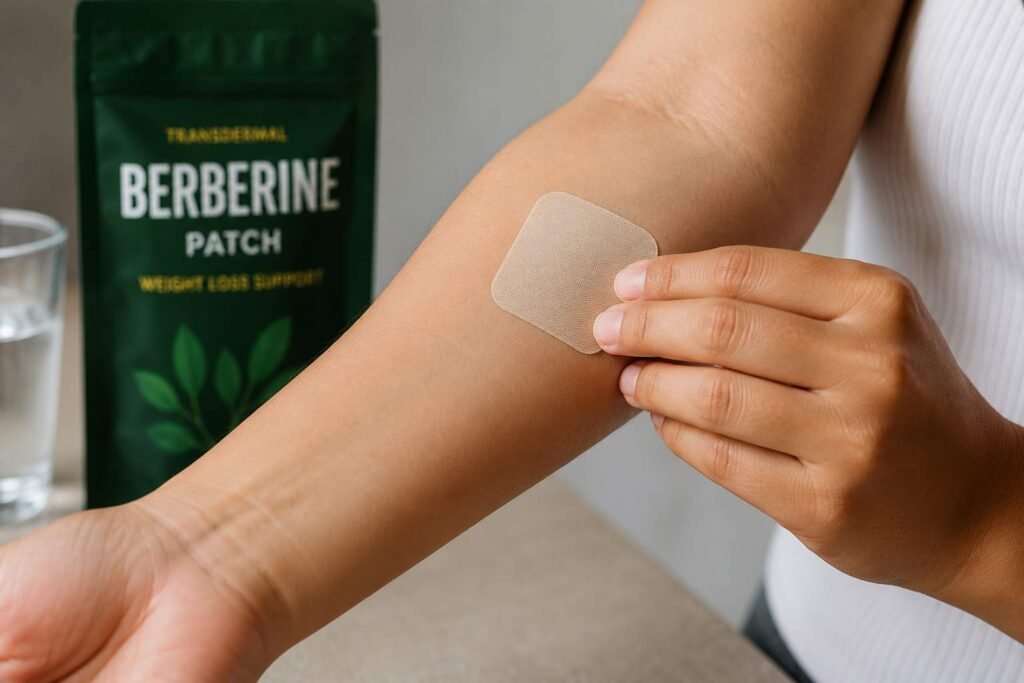
A berberine patch is a transdermal delivery system — an adhesive patch you stick on your skin that claims to release berberine through the skin and into your bloodstream. Berberine itself is a bitter-tasting alkaloid compound found in plants like barberry, goldenseal, and Oregon grape. It has been used in traditional Chinese medicine for centuries and has gained recent popularity as a “natural Ozempic” for its effects on blood sugar and metabolism.
These patches are marketed as a more convenient and gut-friendly alternative to oral berberine supplements. Instead of swallowing a pill that can cause nausea, bloating, or diarrhea, you apply a patch to your skin and let it work over several hours.
However, it is critical to understand that berberine patches are not pharmaceutical drugs. They are classified as dietary supplements or food supplements, meaning they have not undergone the rigorous testing required for FDA or MHRA approval. The weight loss research on berberine has been conducted almost entirely with oral supplements — not patches.
How Berberine Patches Work — The Science
This is the most important section of this article. Here’s what the science actually says about how berberine patches work — and where the evidence falls short.
The Claimed Mechanism
Manufacturers claim that berberine patches work through transdermal absorption. The active compound is meant to penetrate the skin’s outer layers (stratum corneum) and enter systemic circulation via dermal capillaries. Once in the bloodstream, berberine is said to:
- Activate AMPK (AMP-activated protein kinase) — an enzyme often called the body’s “metabolic master switch”. AMPK activation helps regulate energy balance, increases fat burning, and improves insulin sensitivity.
- Improve insulin and glucose metabolism — which can help stabilize blood sugar and reduce cravings.
- Suppress appetite and reduce “food noise” — the constant mental chatter about eating.
The Scientific Reality
Here’s where things get complicated. While the mechanisms above are supported by research on oral berberine, the evidence for patches is almost non-existent.
Key points to understand:
- All weight loss research has been done with oral berberine, not patches. Even then, the results show only modest weight loss — about 2 kg (4.4 lbs) on average in small studies.
- Berberine has a hydrophilic (water-loving) and quaternary ammonium structure that makes it very difficult to absorb through the skin. This is a major scientific barrier to transdermal delivery.
- No peer-reviewed randomized controlled trials have validated berberine patch efficacy or even proven that meaningful amounts of berberine can get through the skin.
- One scientific review showed that taking up to 3 grams of oral berberine daily for a year had only a small effect on weight and waist circumference. A patch delivers a tiny fraction of that dose.
In plain English: the science behind berberine as a compound is promising but modest. The science behind delivering it through a patch is largely theoretical and unproven.
Ingredients in Berberine Patches
Different brands use different formulations. Here’s a breakdown of common ingredients found in popular berberine patches like Purisaki Berberine Patches, Kind Patches, and PatchMD.
Berberine Extract
What it is: The primary active ingredient, derived from plants like barberry. What it does: Activates AMPK, supports blood sugar balance, and may help with appetite control. Research: Well-studied in oral form, but transdermal absorption is unproven. Dose in patches: Typically 8.75mg to 13.25mg per patch — far less than the 900–1,500mg used in clinical studies.
Pomegranate Extract
What it is: A fruit extract rich in antioxidants. What it does: May support metabolic health and reduce inflammation. Research: Limited, mostly in vitro.
Cinnamon Extract
What it is: A spice with traditional use for blood sugar support. What it does: May improve insulin sensitivity. Research: Some human studies show modest effects on blood glucose, but not weight loss.
Vitamin B Complex
What it is: Includes Thiamine (B1), Riboflavin (B2), Niacin (B3), B6, Folate (B9), and B12. What it does: Supports energy metabolism. Research: Well-established for energy, but not weight loss.
L-Glutamine
What it is: An amino acid. What it does: May support gut health and reduce sugar cravings. Research: Mixed evidence for cravings, but safe.
Chromium
What it is: A trace mineral. What it does: May help regulate blood sugar and reduce appetite. Research: Some studies show modest effects, but results are inconsistent.
Benefits of Berberine Patches for Weight Loss
Based on user reports and the known effects of berberine, here are the potential benefits of using a berberine patch:
- Appetite suppression: Many users report reduced “food noise” and fewer cravings, making it easier to stick to a calorie deficit.
- Better blood sugar control: Berberine can help stabilize blood glucose levels, which may reduce energy crashes and cravings for sugary foods.
- No digestive side effects: Because the patch bypasses the stomach, it avoids the nausea, bloating, and diarrhea common with oral berberine.
- Convenience: Apply once a day and forget about it — no pills to remember.
- Discreet: You can wear it under clothes without anyone knowing.
It’s important to note that these benefits are largely reported anecdotally. The scientific evidence for weight loss specifically from berberine patches is very limited.
Side Effects and Safety Concerns
Berberine patches are generally considered possibly safe when used topically. However, there are important risks and side effects to be aware of.
Common Side Effects
- Skin irritation: Redness, itching, or rash at the application site. Some users report contact dermatitis.
- Headache
- Nausea (though less common than with oral berberine)
Serious Concerns
- Lack of regulation: The FDA does not regulate weight loss patches. There’s no guarantee of what’s actually in them or that they contain the stated amount of berberine.
- Potential drug interactions: If berberine is absorbed systemically, it could interact with medications like blood thinners and statins, potentially increasing the risk of harmful side effects.
- No long-term safety data: Because these products are new and unregulated, there is no long-term safety information.
Who should NOT use berberine patches:
- Pregnant or breastfeeding women
- People with known allergies to any of the ingredients
- Anyone taking prescription medications without consulting a doctor first
- People with sensitive skin or skin conditions
Who Should Use Berberine Patches?
Ideal User Profile
Berberine patches might be a good option for you if:
- You are over 40 and experiencing metabolic slowdown, weight gain, or insulin resistance.
- You have tried oral berberine but couldn’t tolerate the digestive side effects.
- You are looking for a gentle, supportive tool to help with appetite control and blood sugar stability — not a dramatic weight loss solution.
- You are already eating well and exercising and want something to complement your efforts.
Who It’s NOT For
- People expecting Ozempic-level results. The weight loss from berberine is modest at best.
- People looking for a quick fix. These patches are not magic; they work best alongside diet and lifestyle changes.
- Anyone with sensitive skin who may react to the adhesive or ingredients.
- People with serious medical conditions without consulting a doctor first.
How to Use a Berberine Patch for Weight Loss
Step-by-Step Instructions
- Choose a clean, dry area of skin without hair, lotion, or oil. Common spots include the abdomen, arm, or thigh.
- Clean and dry the skin thoroughly before applying.
- Remove the backing from the patch and apply it to the skin, pressing down firmly.
- Leave the patch on for the recommended time (usually 8–24 hours).
- Remove and dispose of the patch after use. Apply a new patch daily or as directed.
Tips for Best Results
- Be consistent. It typically takes 8 to 12 weeks of consistent use to see noticeable changes.
- Pair with a healthy diet and exercise. The patch is a support tool, not a replacement for lifestyle changes. For more weight loss strategies, read our guide on losing weight in a month.
- Rotate application sites to avoid skin irritation.
- Track your progress. Keep a journal of your weight, measurements, and how you feel.
Where to Buy
Berberine patches are available from:
- Official brand websites (e.g., Purisaki, Kind Patches, PatchMD)
- Major online retailers like Amazon
- Some nutrition stores
Warning: Be cautious of counterfeit products on third-party marketplaces. Buying from the official site ensures you get a genuine product and access to the refund policy.
What to Realistically Expect
Timeline for Results
- Week 1–2: You may notice reduced appetite and fewer cravings. Some users report feeling more stable energy.
- Week 4–8: If the patch is working, you might see a small reduction in weight — typically 1–2 pounds per month.
- Week 8–12: More noticeable changes in metabolic markers or energy balance.
What It Will and Won’t Do
Will do:
- May help suppress appetite and reduce food noise
- May support stable blood sugar levels
- May provide a gentle metabolic nudge
Won’t do:
- Won’t cause dramatic weight loss (like Ozempic)
- Won’t work without dietary and lifestyle changes
- Won’t work overnight
Factors That Affect Results
- Diet quality: The patch works best when you’re eating a balanced, calorie-controlled diet.
- Exercise: Physical activity enhances metabolic benefits.
- Consistency: Skipping days reduces effectiveness.
- Individual metabolism: Everyone responds differently.
What If It Doesn’t Work?
If you don’t see results after 8–12 weeks, the patch may not be right for you. Check the brand’s refund policy — many offer money-back guarantees if you’re not satisfied.
Berberine Patches vs. Oral Berberine vs. GLP-1 Medications
| Feature | Berberine Patch | Oral Berberine | GLP-1 Medications (Ozempic, Mounjaro) |
|---|---|---|---|
| Mechanism | Transdermal delivery (unproven absorption) | Oral ingestion, activates AMPK | GLP-1 receptor agonist, slows digestion, reduces appetite |
| Evidence Base | Very limited; no clinical trials for patches | Strong for oral use; modest weight loss (~4.4 lbs average) | Extensive; significant weight loss (10–15% of body weight) |
| Side Effects | Skin irritation, possible headache | Nausea, bloating, diarrhea | Nausea, vomiting, diarrhea, potential serious risks |
| Price | $30–$70/month | $20–$50/month | $900+ /month (without insurance) |
| Best For | People who can’t tolerate oral berberine | People who can tolerate oral supplements and want evidence-based support | People with obesity or type 2 diabetes needing significant weight loss |
Which is right for you?
- If you want the strongest evidence and can tolerate oral supplements, oral berberine is the better choice.
- If you can’t tolerate oral berberine and want to try a patch, berberine patches are an option — but go in with realistic expectations.
- If you have significant weight to lose and have obesity or type 2 diabetes, talk to your doctor about GLP-1 medications. For other natural weight loss aids, check out our reviews of Java Burn and other popular supplements.
Frequently Asked Questions
Do berberine patches actually work for weight loss?
The evidence is very limited. All clinical research on berberine for weight loss has used oral supplements, and even then, the results show only modest weight loss of about 2 kg (4.4 lbs) on average. There are no peer-reviewed studies proving that berberine patches effectively deliver the compound through the skin or cause meaningful weight loss.
Are berberine patches safe?
They are considered “possibly safe” when used topically, but they are not FDA-regulated. Side effects can include skin irritation, headache, and nausea. If you have sensitive skin or are taking medications, consult a doctor first.
How long does it take for a berberine patch to work?
Manufacturers typically recommend 8 to 12 weeks of consistent use to see noticeable changes in metabolic markers or energy balance. Some users report appetite suppression within the first week.
Can I wear a berberine patch overnight?
Yes, most patches are designed to be worn for 8–24 hours and can be worn overnight. Apply to clean, dry skin and remove in the morning or as directed.
Do berberine patches contain Ozempic?
No. Berberine patches do not contain semaglutide (the active ingredient in Ozempic) or any GLP-1 medication. They contain herbal extracts, primarily berberine.
Can I use berberine patches with other medications?
Berberine may interact with certain medications, including blood thinners and statins. If you are taking any prescription medications, consult your healthcare provider before using berberine patches.
What’s the difference between berberine patches and oral berberine?
Oral berberine has a strong evidence base for metabolic effects but often causes digestive side effects. Patches are meant to bypass the stomach and avoid these side effects, but they lack scientific evidence proving they work.
Where can I buy genuine berberine patches?
Buy from official brand websites or reputable retailers like Amazon. Be cautious of counterfeit products on third-party marketplaces.
Unique Insights & Analysis
Insight 1: The Dose Problem
Clinical studies on oral berberine used 900–1,500 mg per day. Most berberine patches contain only 8.75–13.25 mg of berberine extract. Even with perfect absorption (which is unlikely), you’re getting a tiny fraction of the clinically studied dose. This is a major reason why patches are unlikely to produce significant weight loss.
Insight 2: The Absorption Barrier
Berberine has a hydrophilic (water-loving) and quaternary ammonium structure that makes it very difficult to pass through the skin’s lipid barrier. This is a fundamental scientific challenge that patch manufacturers rarely address. The skin is designed to keep things out, and berberine is not an easy molecule to deliver transdermally.
Insight 3: Who Actually Benefits from Patches?
Based on community discussions, the people who seem to benefit most from berberine patches are those who:
- Couldn’t tolerate oral berberine due to GI side effects
- Use them as part of a broader weight loss plan that includes diet and exercise
- Don’t expect miracles and appreciate the gentle appetite support
Insight 4: The Placebo Effect Is Real
Some of the reported benefits — especially appetite suppression — may be partly due to the placebo effect. However, if a patch helps you stay consistent with your diet and exercise plan, that’s still a win. The psychological boost of “doing something” can be valuable.
Insight 5: The Cost-Benefit Analysis
At $30–$70 per month, berberine patches are more expensive than oral berberine ($20–$50/month) and offer less evidence of effectiveness. If you can tolerate oral berberine, it’s the more cost-effective and evidence-backed choice. If you can’t, patches are worth a try — but only if you’re comfortable with the uncertainty.
Disclaimer: This article is for informational purposes only and does not constitute medical advice. Always consult a qualified healthcare professional before starting any new supplement or weight loss program. These statements have not been evaluated by the Food and Drug Administration. Products referenced are not intended to diagnose, treat, cure, or prevent any disease.