Let’s be real—that standard, builder-grade metal vent hood isn’t exactly doing your kitchen aesthetic any favors. If you’ve been scrolling through perfectly styled kitchen reveals wishing you could hide that bulky exhaust fan behind a gorgeous, custom enclosure, I have amazing news: you absolutely can. And you don’t need to hire a pricey custom cabinet maker to pull it off!
Building your own vent hood cover is one of the most rewarding, high-impact weekend projects you can tackle. It instantly elevates your entire kitchen, creating a stunning focal point that looks incredibly expensive. Ready to get your hands dirty? I’m walking you through my top five absolute favorite DIY vent hood cover tutorials, from cozy cottage vibes to sleek modern lines.
Let’s dive in and give your kitchen the upgrade it deserves!
1. The Classic Farmhouse Shiplap Cover
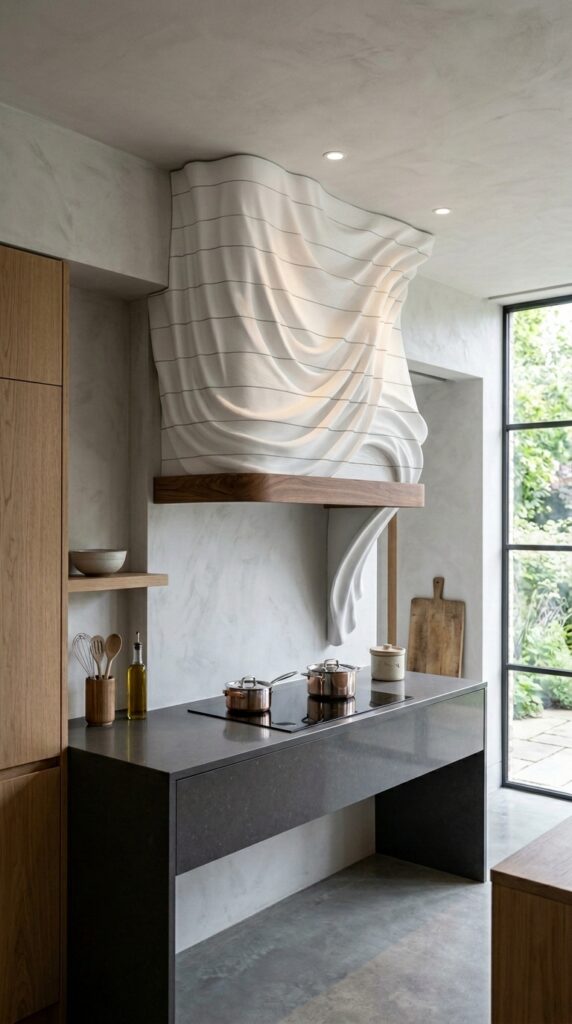
Shiplap remains a massive favorite in kitchen design because it adds instant architectural texture and warmth without requiring advanced carpentry skills. This build transforms an eyesore into a cozy, handcrafted feature. It’s the perfect project if you want a massive visual transformation that is surprisingly forgiving for DIY beginners!
Why You’ll Love It:
- Timeless Charm: It brings that coveted, classic farmhouse feel to life.
- Forgiving for Beginners: The rustic nature of shiplap means your cuts don’t have to be microscopic in their precision.
- Budget-Friendly: We are using an inexpensive plywood hack to get the look for less!
Materials You’ll Need:
- 2×2 lumber (for the internal frame)
- 1/4-inch plywood underlayment (have your hardware store rip this into 6-inch strips for you!)
- 1×4 hardwood trim (for the bottom base)
- Wood glue and brad nails
- Spackle, primer, and your favorite cabinet paint
Step-by-Step Guide:
- Build Your Frame: First, locate your wall studs. Build a basic, sturdy box frame around your existing vent insert using the 2×2 lumber. Make sure you leave about a 1/2-inch clearance around the metal insert for safety and proper airflow!
- Cut Your Shiplap: Measure the front and sides of your new frame. Cut your 1/4-inch plywood strips to those exact lengths.
- Nail It Up: Starting from the bottom and working your way up to the ceiling, attach the plywood strips to the frame using wood glue and your brad nailer. Pro tip: Use a nickel between each board as you go to create that signature, perfectly spaced shiplap gap.
- Add the Bottom Trim: Measure and cut your 1×4 hardwood trim with mitered 45-degree angles so it wraps cleanly around the bottom of the hood. Stain the wood off-site, let it dry, and then nail it into place.
- Finish and Paint: Fill your nail holes with spackle, sand them perfectly smooth, and apply a high-quality bonding primer followed by a durable, semi-gloss paint to match your cabinets.
2. The Sleek Modern Plywood Enclosure
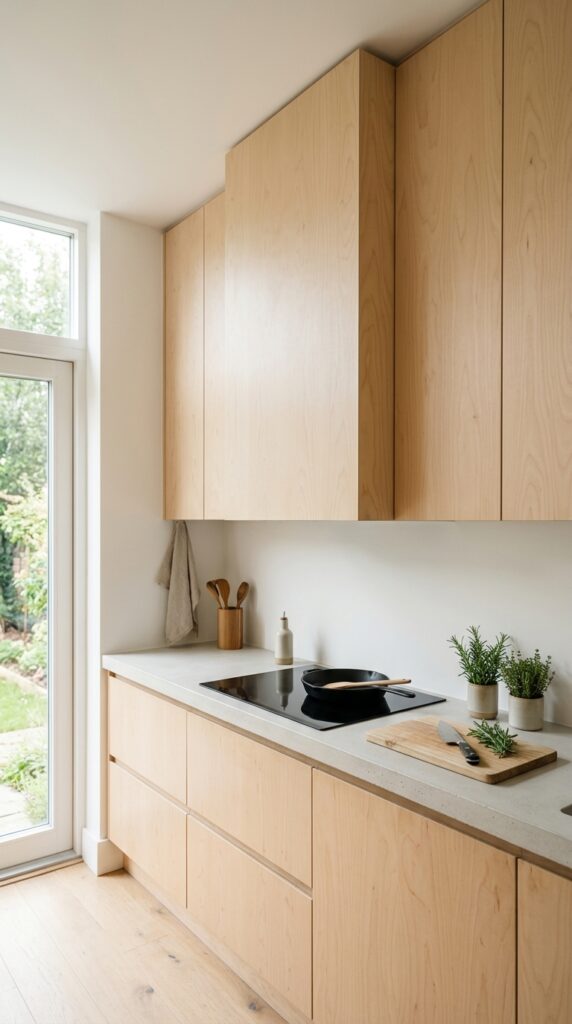
If your style leans away from rustic and heavily toward sleek, uncluttered lines, this is the tutorial for you. This build focuses entirely on the beauty of natural materials and crisp geometry. It requires very few cuts, making it highly approachable, but yields an ultra-chic, professional-looking result that looks right at home in a high-end design magazine.
Why You’ll Love It:
- Ultra-Modern: It provides a clean, Scandinavian aesthetic that makes the kitchen feel airy and architectural.
- Minimal Cuts: No complicated angles or intricate molding pieces to figure out.
- Celebrates Natural Wood: Leaving the wood unpainted brings gorgeous, organic warmth to offset cold kitchen appliances.
Materials You’ll Need:
- 2×2 lumber (for the internal skeleton)
- 1/2-inch cabinet-grade plywood (birch or white oak look amazing)
- Iron-on wood edge banding
- Wood glue and brad nails
- Clear, water-based polyurethane sealer (matte finish)
Step-by-Step Guide:
- Construct the Skeleton: Build a simple, square 2×2 skeleton frame and secure it safely to the wall studs and ceiling joists right over your ventilation unit.
- Cut Your Panels: Measure the three exposed sides of your frame. Carefully cut your gorgeous cabinet-grade plywood to these exact dimensions. Pro tip: Use a circular saw with a fine-tooth blade and apply painters tape over your cut line to prevent the wood veneer from splintering!
- Iron on the Edges: To make your plywood look like a solid block of expensive wood, apply iron-on edge banding to the exposed layered edges. Just use your household iron to melt the adhesive, then trim the excess flush with a sharp utility knife.
- Assemble the Box: Apply wood glue to your frame and attach the side panels first, followed by the front panel, using a brad nailer.
- Seal and Protect: Sand the entire piece lightly with 220-grit sandpaper. Apply three coats of a clear, water-based polyurethane to protect the wood from cooking grease without turning it yellow over time.
3. The Fluted Wood Texture Wrap
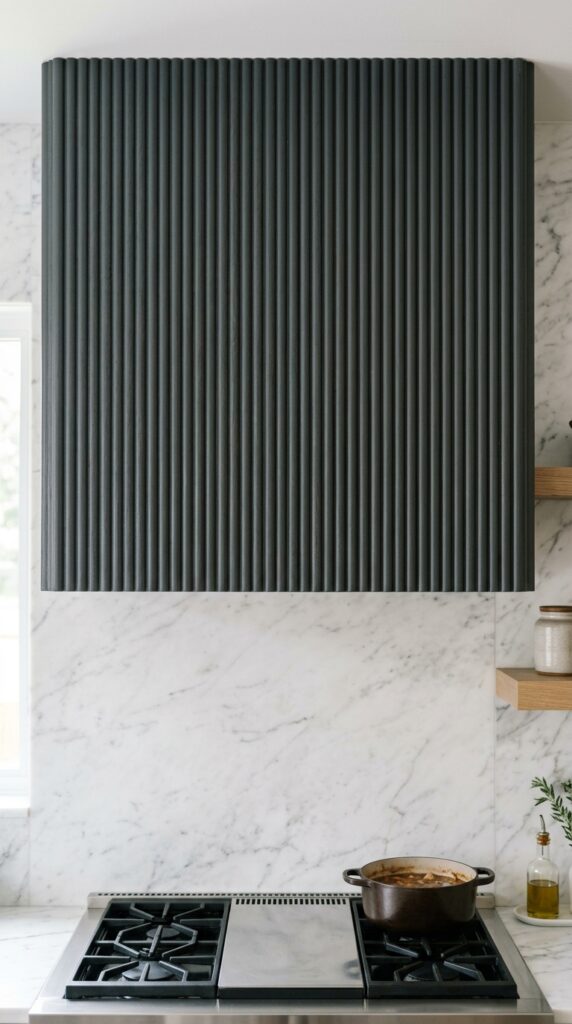
Texture is the secret ingredient in all the best modern kitchens right now, and fluted (or ribbed) details are at the top of the trend list. This tutorial shows you how to achieve a deeply custom, architectural detail using readily available trim pieces. It takes a little patience, but the striking vertical lines are absolutely worth the effort.
Why You’ll Love It:
- High-End Designer Look: This looks exactly like a piece of expensive, custom-milled cabinetry.
- Draws the Eye Up: The repeating vertical lines make your kitchen ceilings feel taller.
- Mood Booster: It looks incredible painted in a dark, dramatic accent color.
Materials You’ll Need:
- 1/2-inch MDF (Medium Density Fiberboard) for the base box
- Half-round pine molding strips (or flexible tambour paneling if you want to skip cutting!)
- Construction adhesive (like Liquid Nails)
- Brad nailer
- Paintable caulk and cabinet paint
Step-by-Step Guide:
- Build the Base Box: Construct a smooth, straight-sided box out of 1/2-inch MDF over your vent insert. You just need a solid, flat, and perfectly plumb backing to attach your trim to.
- Measure and Cut: Measure the exact height of your MDF box. Cut your half-round molding pieces to length. You will need a lot of these, so setting up a “stop-block” on your miter saw will save you hours of measuring!
- Attach the Fluting: Starting from the absolute center of the front panel and working your way outward, apply a thin line of construction adhesive to the back of each molding piece. Press it onto the MDF and secure it with a few brad nails. Make sure each piece is squeezed tightly against its neighbor.
- Wrap the Sides: Continue this process on the side panels, taking care to ensure the corner pieces meet as cleanly as possible.
- Caulk and Paint: Caulk the tiny gaps where the fluting meets the ceiling. Prime the raw pine wood, and then roll or spray on your favorite dramatic paint color.
4. The DIY Roman Clay Finish
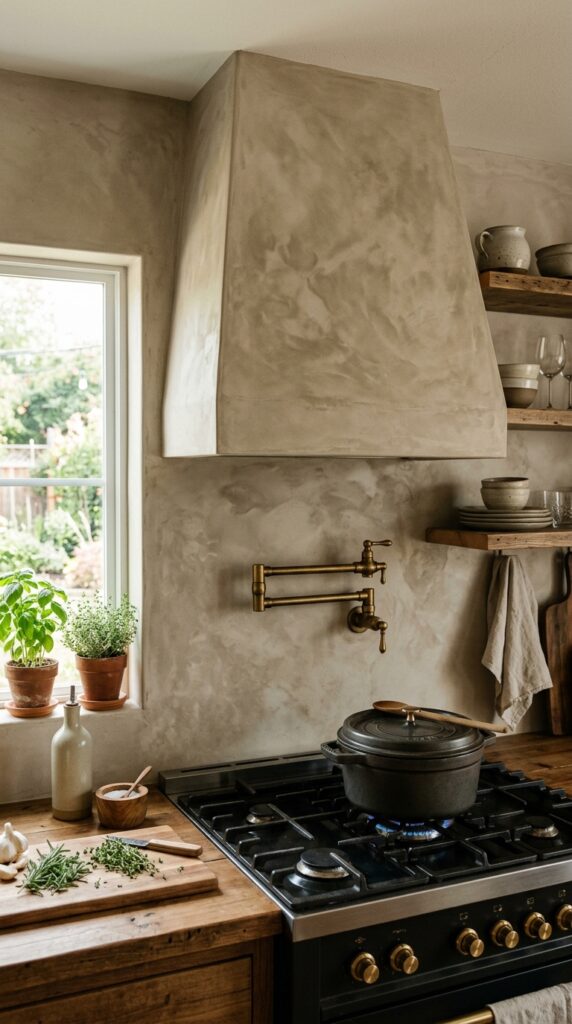
Craving that high-end, modern organic, wabi-sabi vibe? Step away from the saw and grab a trowel! This tutorial teaches you how to use faux-finishing techniques to make your hood look like a solid piece of carved stone or cast plaster. It’s incredibly luxurious, but surprisingly forgiving to apply.
Why You’ll Love It:
- Earthy Elegance: It brings a soft, handmade, and grounded feel to the room.
- No Perfect Cuts Needed: The beauty of plaster is in its imperfections, making it low-stress for perfectionists.
- Seamless: It blends beautifully into painted walls for a soft, continuous look.
Materials You’ll Need:
- 2×4 lumber and standard drywall
- Drywall screws and metal corner bead
- Joint compound (drywall mud)
- Roman clay or Venetian plaster product
- Flexible putty knife and a metal finishing trowel
- Protective topcoat/wax designed for your plaster
Step-by-Step Guide:
- Frame and Drywall: Build the shape of your hood (straight or tapered) using 2x4s, and clad the entire skeleton tightly in standard drywall.
- Tape and Mud: Apply metal corner beads to all the outside edges so you have sharp, durable corners. Tape the seams and apply joint compound just like you would if you were finishing a normal wall. Sand it completely smooth.
- The First Coat: Grab your flexible putty knife and apply the first coat of Roman clay in thin, sweeping, overlapping arcs. Don’t overthink it! The random variations are what create that gorgeous stone look. Let it dry completely.
- The Second Coat (Burnishing): Lightly sand the first coat. Apply a second, very thin layer of clay. As it starts to dry, use your metal trowel to “burnish” it—pressing firmly and sliding it over the surface. This creates a subtle sheen and deepens the cloudy texture.
- Seal the Surface: Once it is 100% cured, apply a specialized clear wax or sealer designed for Roman clay. This is crucial—it makes the surface wipeable and protects your beautiful finish from kitchen grease!
5. The Easy Beadboard Cottage Cover
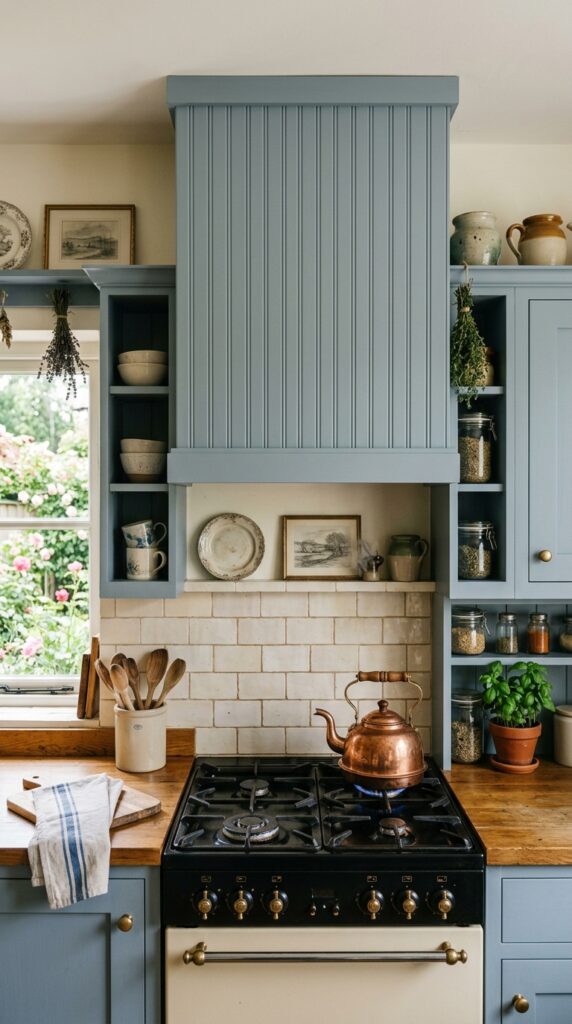
If you want to inject some major cottagecore or vintage-inspired charm into your home, grab some beadboard! This is my absolute favorite project for a quick, budget-friendly aesthetic upgrade. Because beadboard comes in large sheets, you cover a ton of square footage rapidly, giving you a highly satisfying DIY “quick win.”
Why You’ll Love It:
- Vintage Character: It instantly adds a nostalgic, cozy feel to standard kitchens.
- Fast Progress: Using panel sheets is much faster than attaching individual wood planks.
- Highly Affordable: Beadboard paneling is one of the cheapest decorative materials at the hardware store!
Materials You’ll Need:
- 1×2 or 2×2 lumber (for the frame)
- Beadboard wall paneling (sold in 4×8 sheets)
- 1×4 MDF trim boards
- Wood glue and brad nailer
- Paintable caulk and cabinet paint
Step-by-Step Guide:
- Construct the Skeleton: Build a lightweight but sturdy frame around your vent insert using your lumber.
- Cut the Beadboard: Measure the front and sides of your frame. Cut your beadboard paneling to size using a circular saw. Pro tip: Always cut with the finished (grooved) side facing down to minimize chipping!
- Attach the Panels: Squeeze wood glue onto your frame and secure the beadboard panels to the front and sides using your brad nailer.
- Frame it Out: To hide the raw edges of the beadboard and give it a polished, built-in look, cut your 1×4 MDF trim to border the top, bottom, and outside corners of the box. Nail the trim directly over the edges of the beadboard.
- Caulk and Paint: Fill your nail holes with wood filler. Run a thick bead of caulk along the seams where the flat trim meets the grooved beadboard for a flawless, seamless look. Finish it off with a couple of coats of your favorite cabinet paint!